
 Экономика
Похожие презентации:



PLS 150 intro to International relations
1. PLS 150 intro to International relations dR Maja Savevska
PLS 150 INTRO TO INTERNATIONALRELATIONS
DR MAJA SAVEVSKA
Assistant Professor
Department of Political Science and International Relations
SSH | Nazarbayev University
Office: 8.502
Email: maja.savevska@nu.edu.kz
03-12-25
Intro to IR
Astana, Kazakhstan
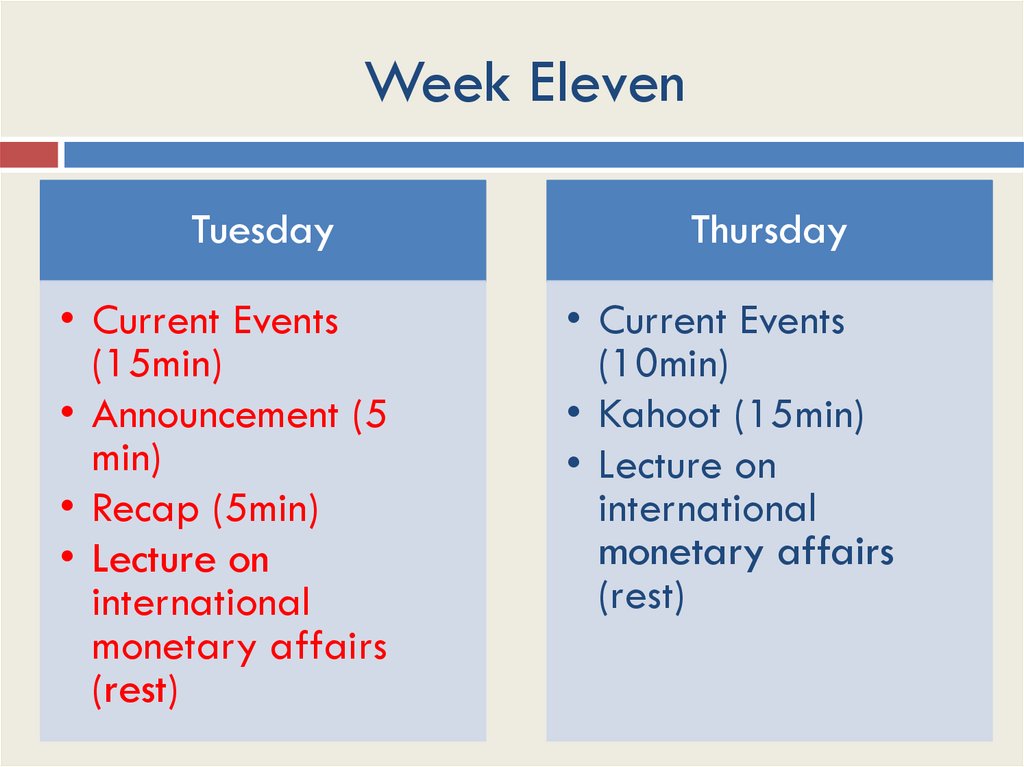
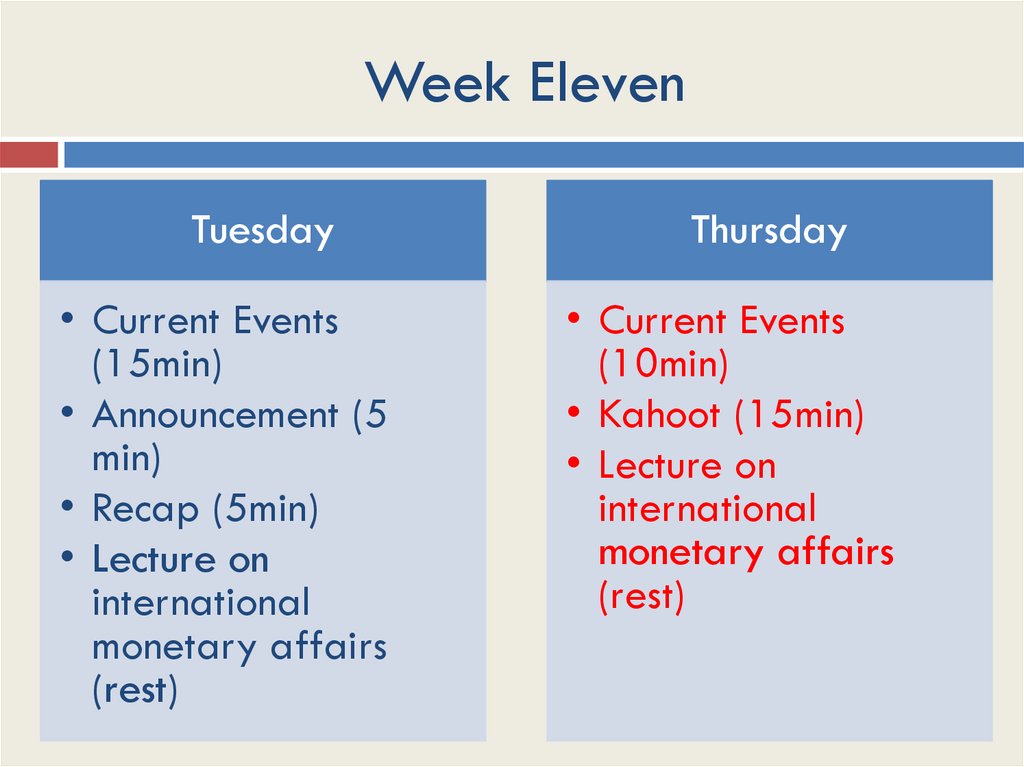
2. Week Eleven
Tuesday• Current Events
(15min)
• Announcement (5
min)
• Recap (5min)
• Lecture on
international
monetary affairs
(rest)
Thursday
• Current Events
(10min)
• Kahoot (15min)
• Lecture on
international
monetary affairs
(rest)
3.
Current Events4. Announcement
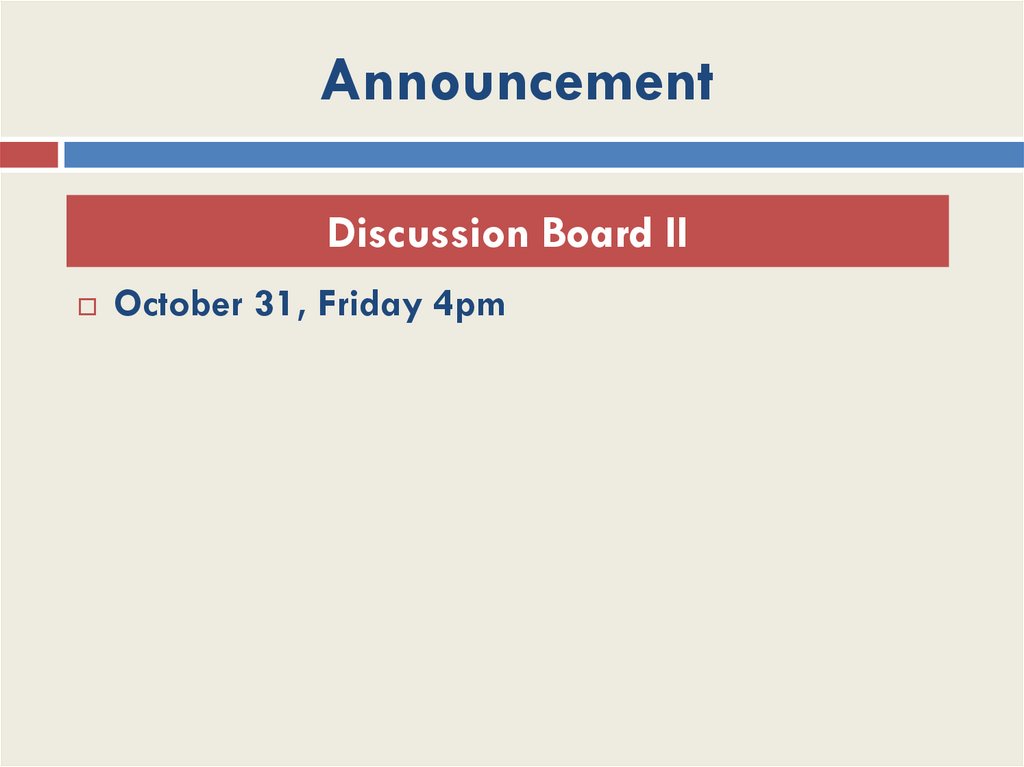
Discussion Board IIOctober 31, Friday 4pm
5. Announcement
Position PaperVisit the webpage of the UN agency
Make sure you reference primary data:
International conventions/agreements/protocols etc.
(the sources of international law relevant to your case)
Official policy documents, legislative acts adopted by
the country you are representing
Official statements by policy-makers
Voting records at the UN
6. Announcement
Position PaperUsage of secondary sources from academic
journals (articles) is welcomed to support your
arguments, historical facts etc.
Consult me during office hours
7. Recap
What is the difference between portfolio andforeign direct investments?
What is sovereign lending?
What is the international investment regime?
What are bilateral investment treaties?
8. Issue Areas in IPE
International Trade
International Finance: FDI
International Monetary Affairs
Development and Inequality
9. International Monetary System
What is it?The glue that keeps national economies
together
The purpose of international monetary system
Facilitate exchanges among countries
10. International Monetary System
Why we need it?Countries have national currencies that are no
legal tender in other countries
Legal tender is medium of payment
recognized by a domestic legal system
Ex: Kazakh tenge is the legal tender of
Kazakhstan
11. International Monetary System
TypesCommodity standard
Commodity backed paper standard
Paper currency standard (fiat)
12. Key Concepts
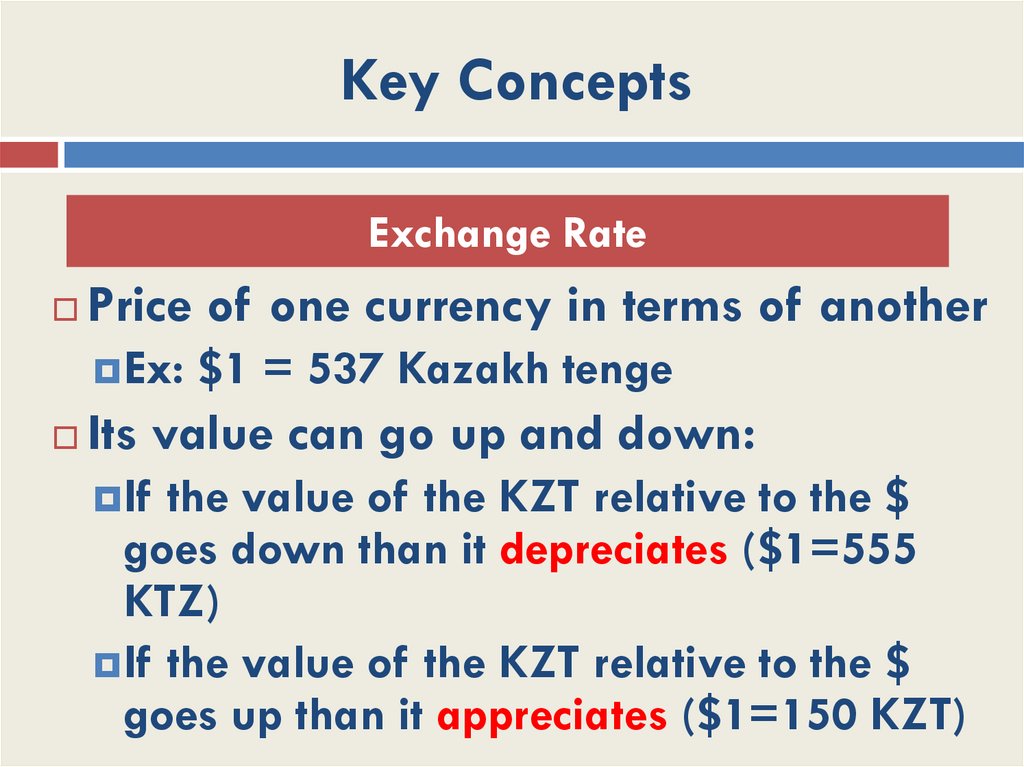
Exchange RatePrice of one currency in terms of another
Ex: $1 = 537 Kazakh tenge
Its value can go up and down:
If the value of the KZT relative to the $
goes down than it depreciates ($1=555
KTZ)
If the value of the KZT relative to the $
goes up than it appreciates ($1=150 KZT)
13.
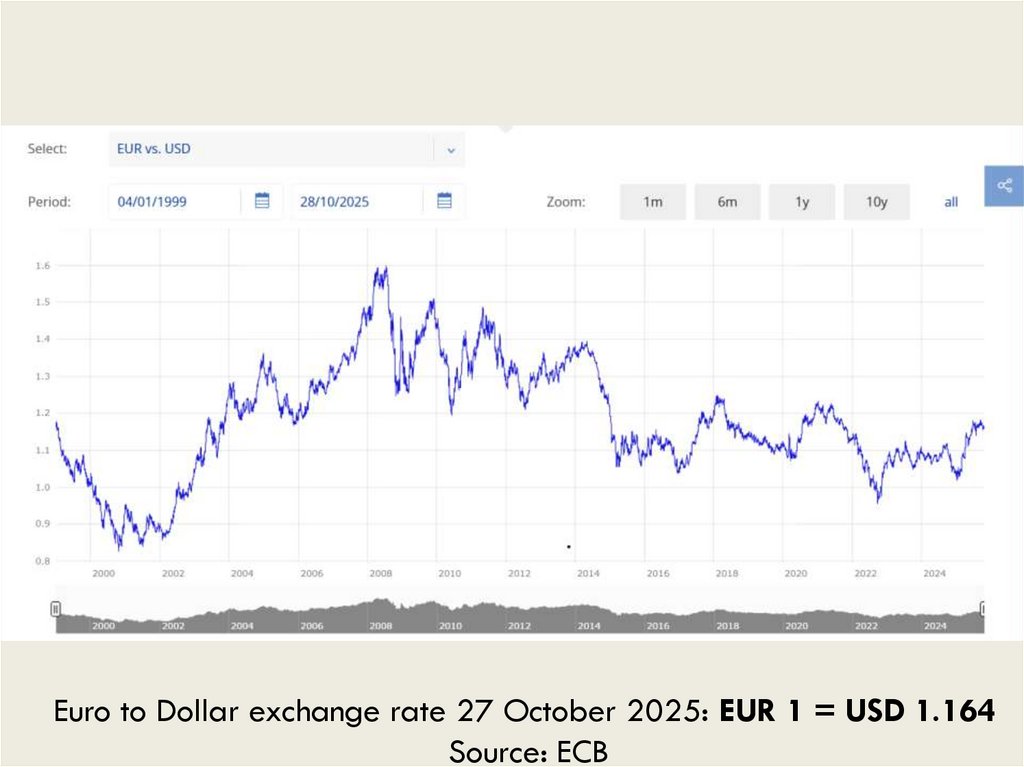
Euro to Dollar exchange rate 27 October 2025: EUR 1 = USD 1.164Source: ECB
14. Key Concepts
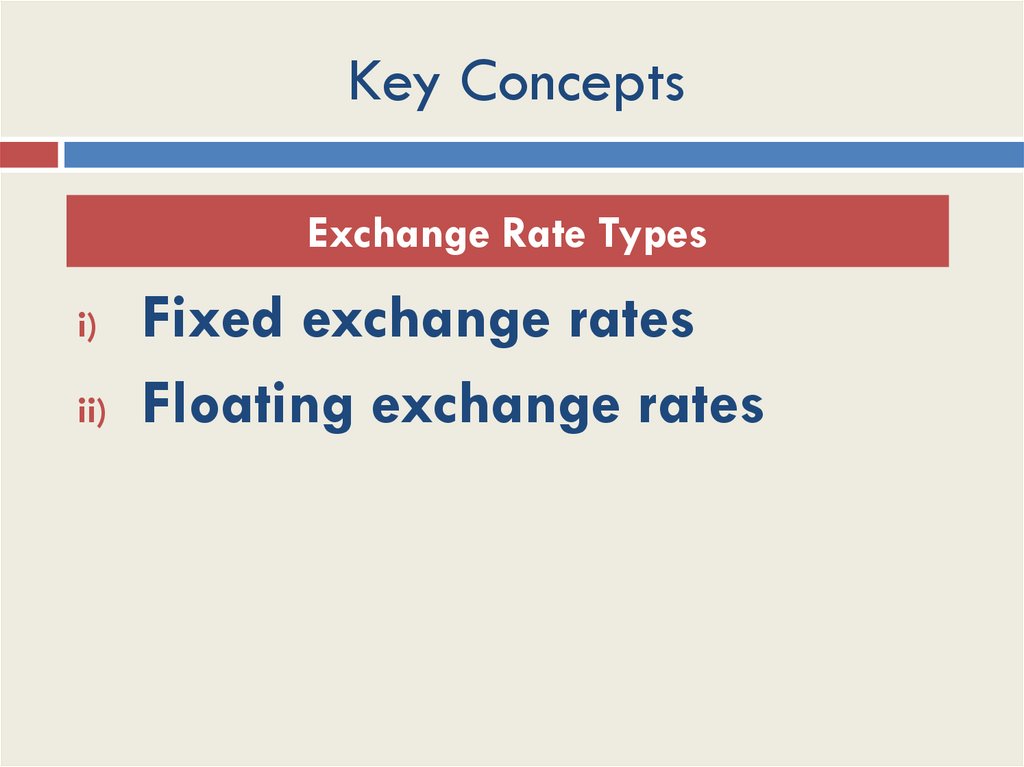
Exchange Rate TypesFixed exchange rates
ii) Floating exchange rates
i)
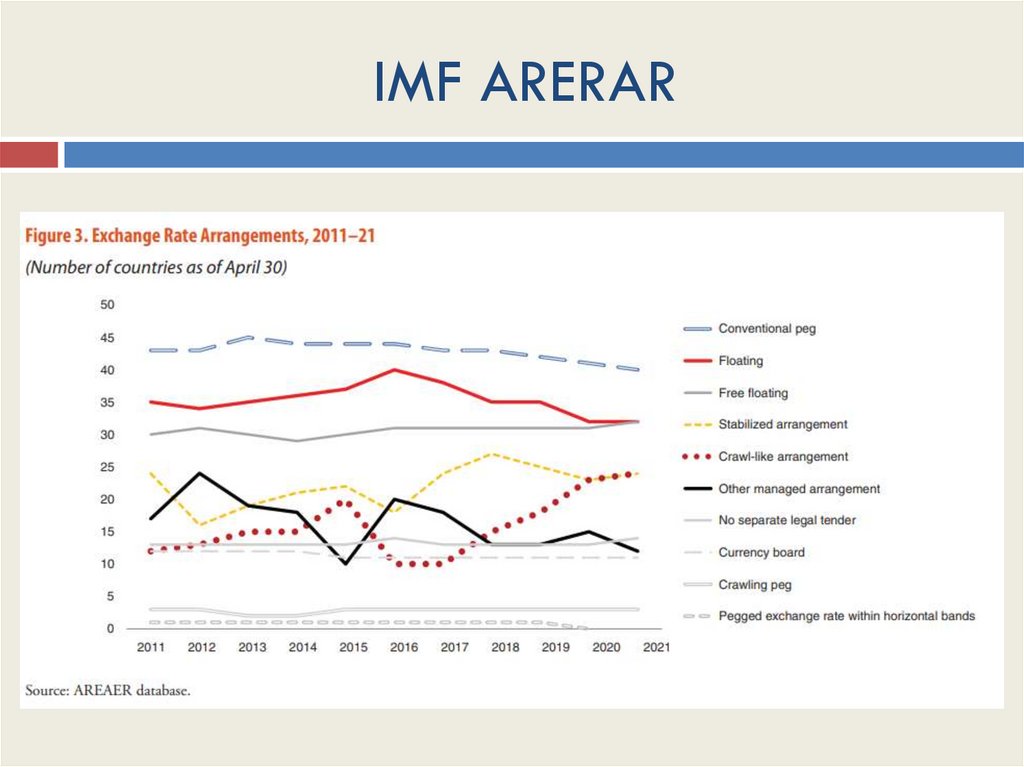
15. IMF ARERAR
16. Key Concepts
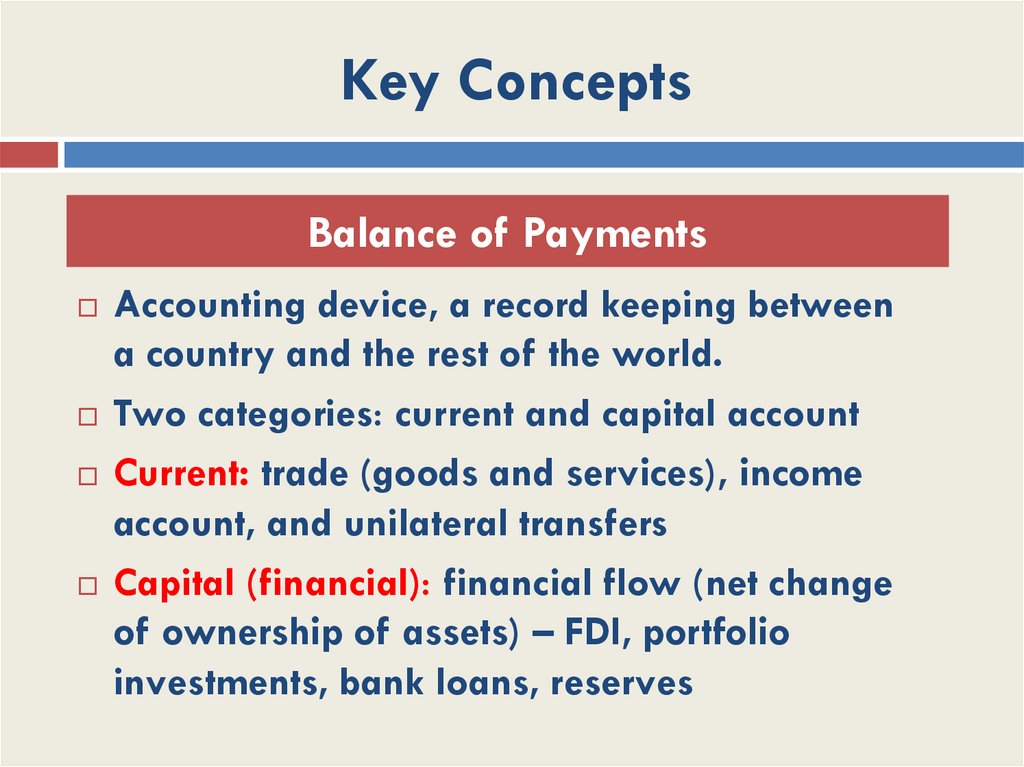
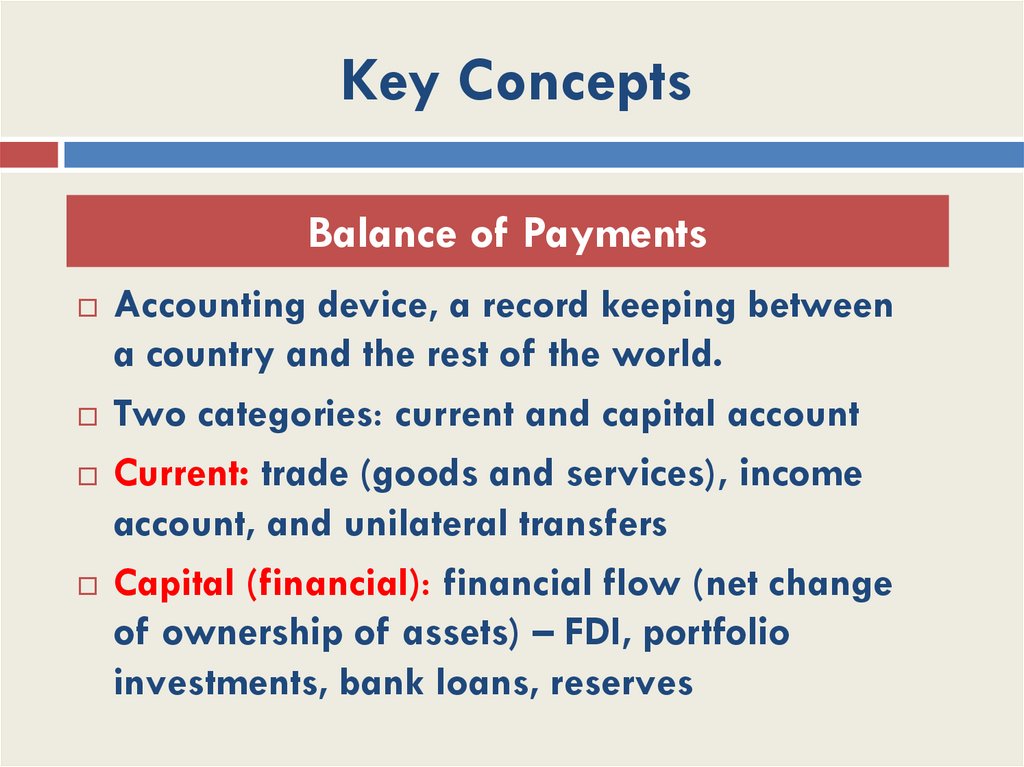
Balance of PaymentsAccounting device, a record keeping between
a country and the rest of the world.
Two categories: current and capital account
Current: trade (goods and services), income
account, and unilateral transfers
Capital (financial): financial flow (net change
of ownership of assets) – FDI, portfolio
investments, bank loans, reserves
17. Key Concepts
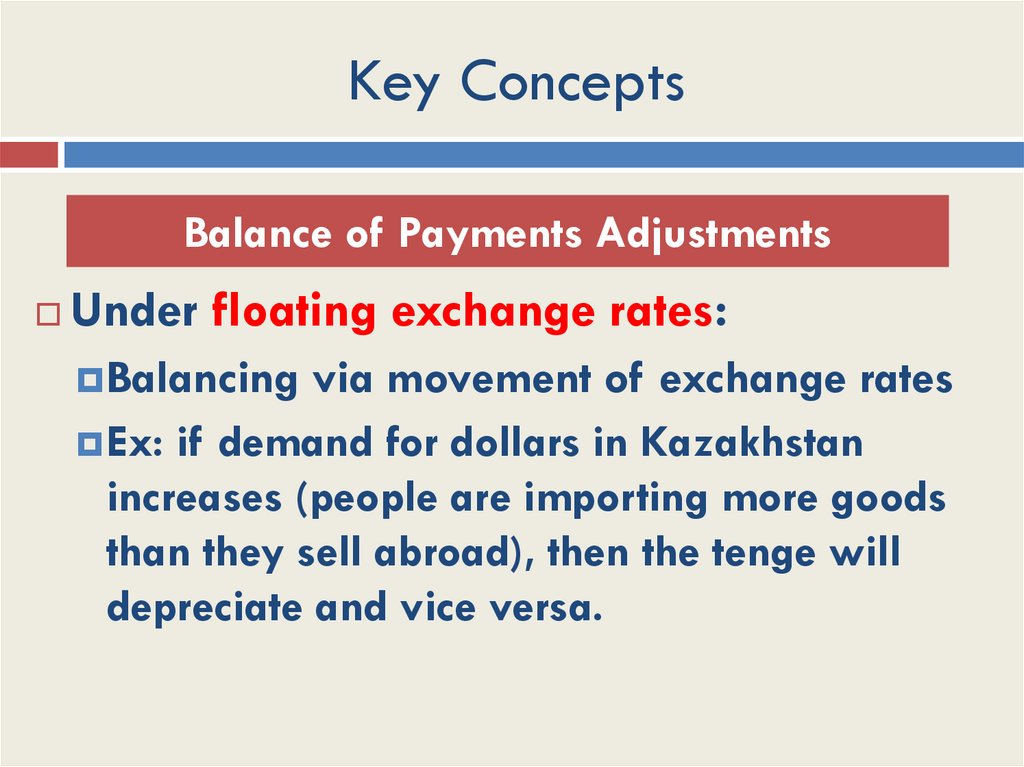
Balance of Payments AdjustmentsUnder floating exchange rates:
Balancing via movement of exchange rates
Ex: if demand for dollars in Kazakhstan
increases (people are importing more goods
than they sell abroad), then the tenge will
depreciate and vice versa.
18. Key Concepts
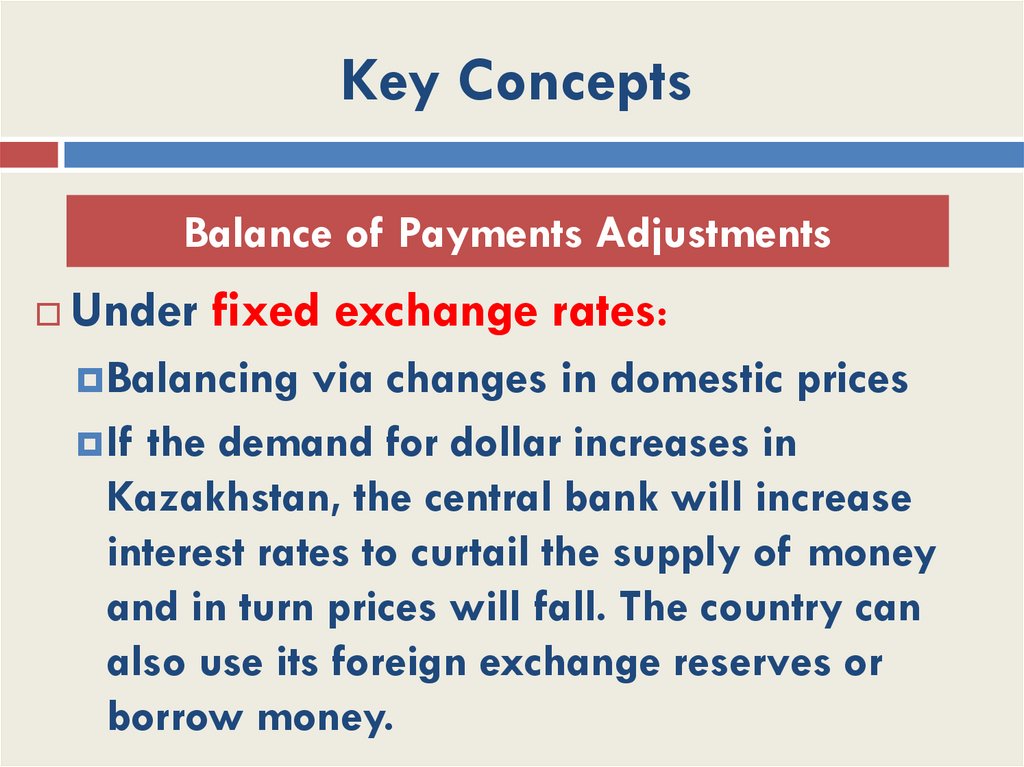
Balance of Payments AdjustmentsUnder fixed exchange rates:
Balancing via changes in domestic prices
If the demand for dollar increases in
Kazakhstan, the central bank will increase
interest rates to curtail the supply of money
and in turn prices will fall. The country can
also use its foreign exchange reserves or
borrow money.
19. Week Eleven
Tuesday• Current Events
(15min)
• Announcement (5
min)
• Recap (5min)
• Lecture on
international
monetary affairs
(rest)
Thursday
• Current Events
(10min)
• Kahoot (15min)
• Lecture on
international
monetary affairs
(rest)
20. Final Exam Schedule
Data: December 4thPlace: Ballroom Left
Time: 9:00AM
21.
Current Events22. Kahoot
23. Key Concepts
Balance of PaymentsAccounting device, a record keeping between
a country and the rest of the world.
Two categories: current and capital account
Current: trade (goods and services), income
account, and unilateral transfers
Capital (financial): financial flow (net change
of ownership of assets) – FDI, portfolio
investments, bank loans, reserves
24. Open Economy Politics (Lake)
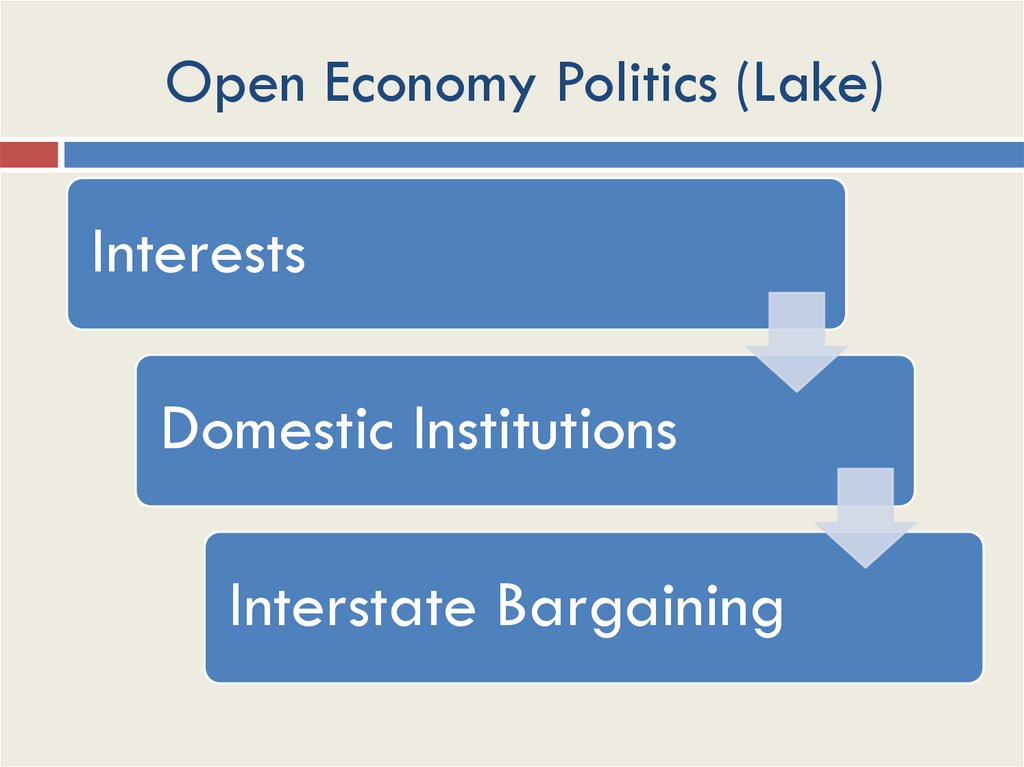
InterestsDomestic Institutions
Interstate Bargaining
25. Interests
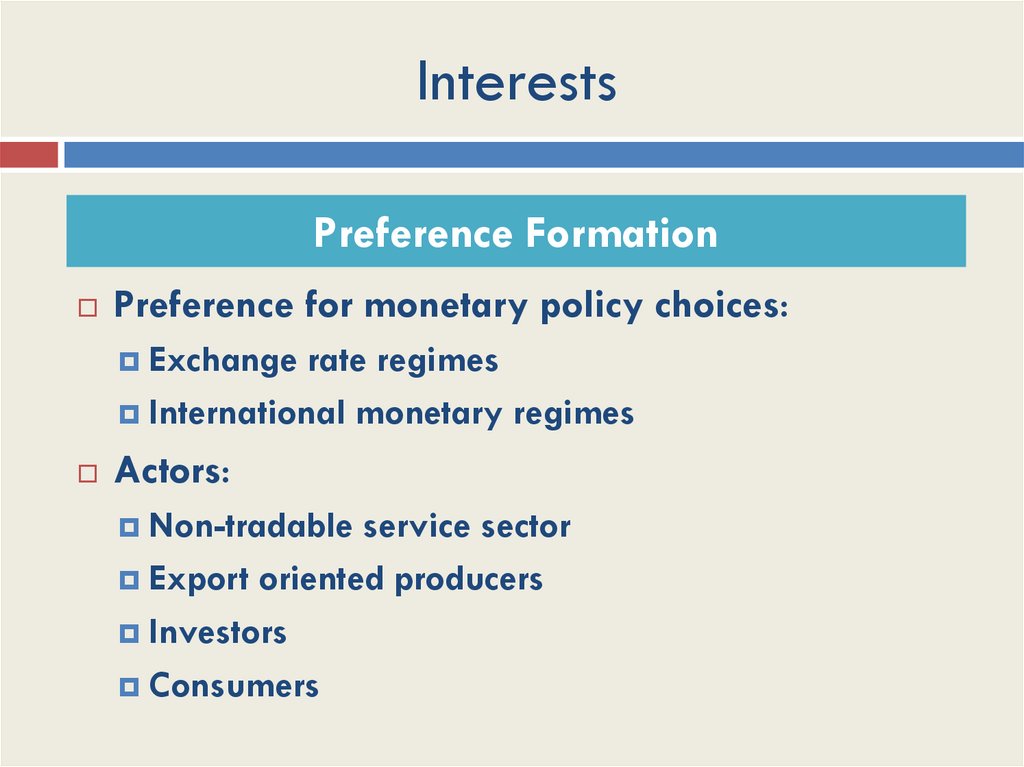
Preference FormationPreference for monetary policy choices:
Exchange rate regimes
International monetary regimes
Actors:
Non-tradable service sector
Export oriented producers
Investors
Consumers
26. International Monetary Systems
Gold Standard:Fixed exchange rate system
Bretton Woods
Post Bretton Woods
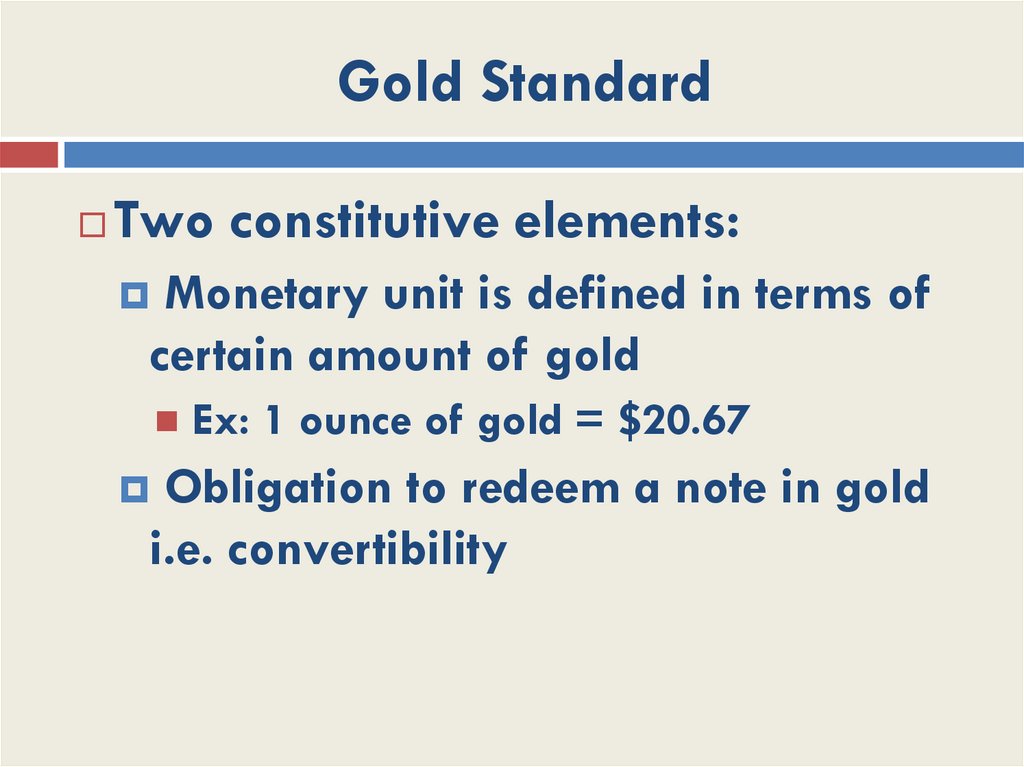
27. Gold Standard
Two constitutive elements:Monetary unit is defined in terms of
certain amount of gold
Ex: 1 ounce of gold = $20.67
Obligation to redeem a note in gold
i.e. convertibility
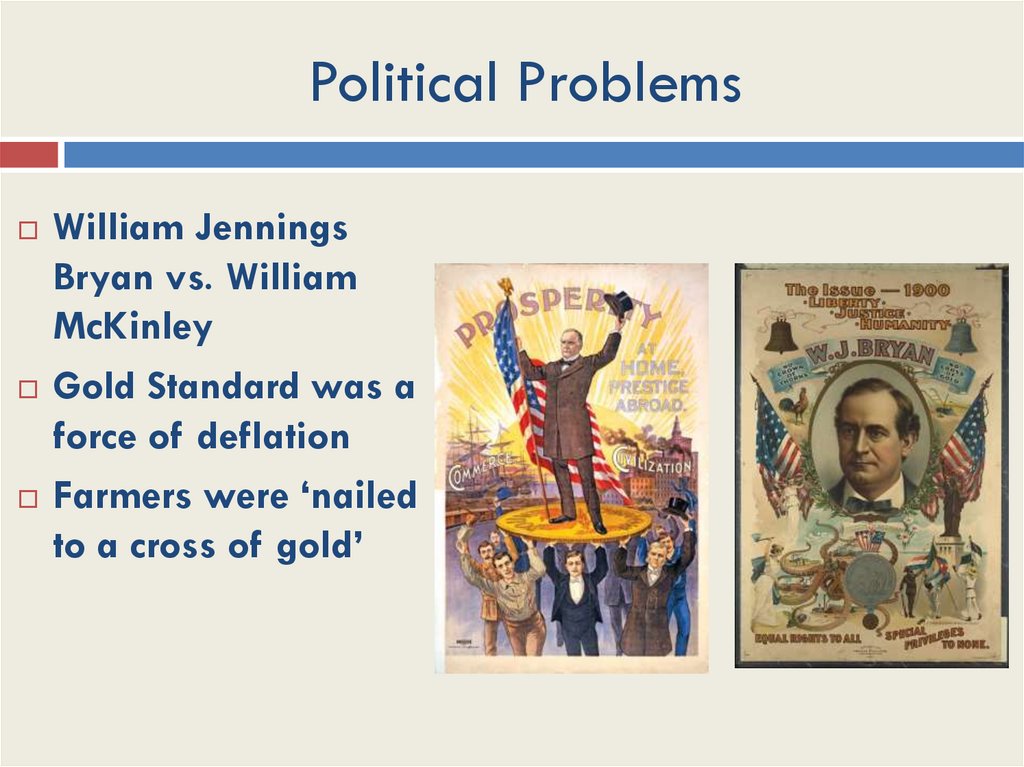
28. Political Problems
William JenningsBryan vs. William
McKinley
Gold Standard was a
force of deflation
Farmers were ‘nailed
to a cross of gold’
29. Gold Standard
Why it worked?No franchise, no pressure to subordinate
currency stability to other objectives
Wages and price were flexible
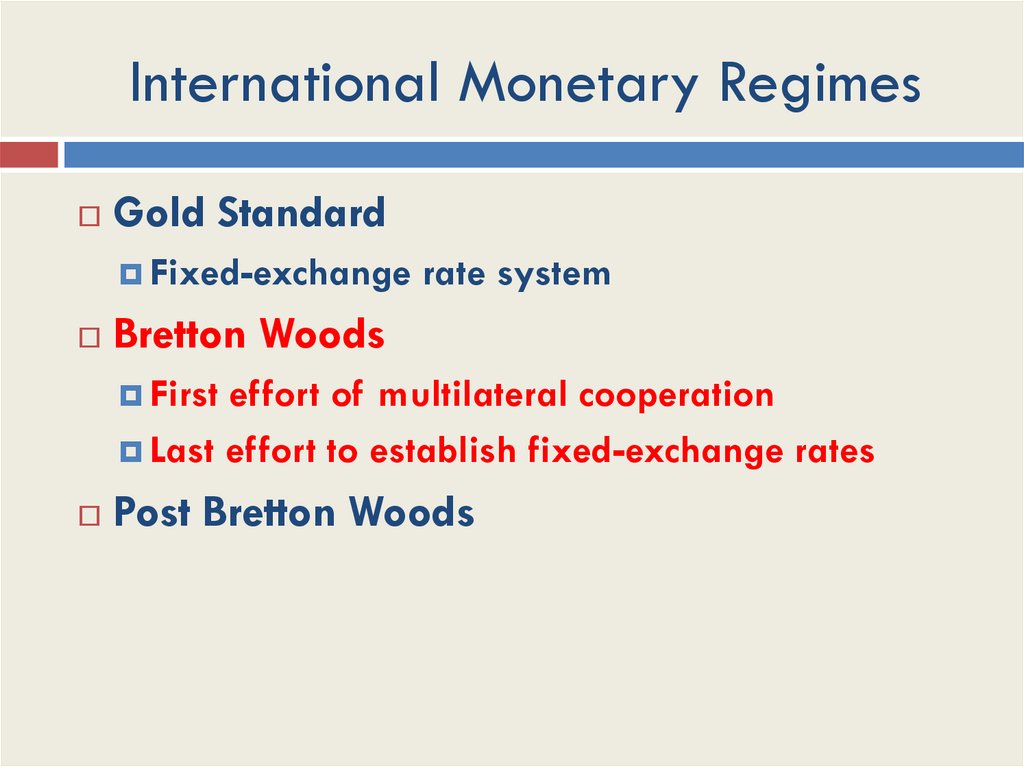
30. International Monetary Regimes
Gold StandardFixed-exchange rate system
Bretton Woods
First effort of multilateral cooperation
Last effort to establish fixed-exchange rates
Post Bretton Woods
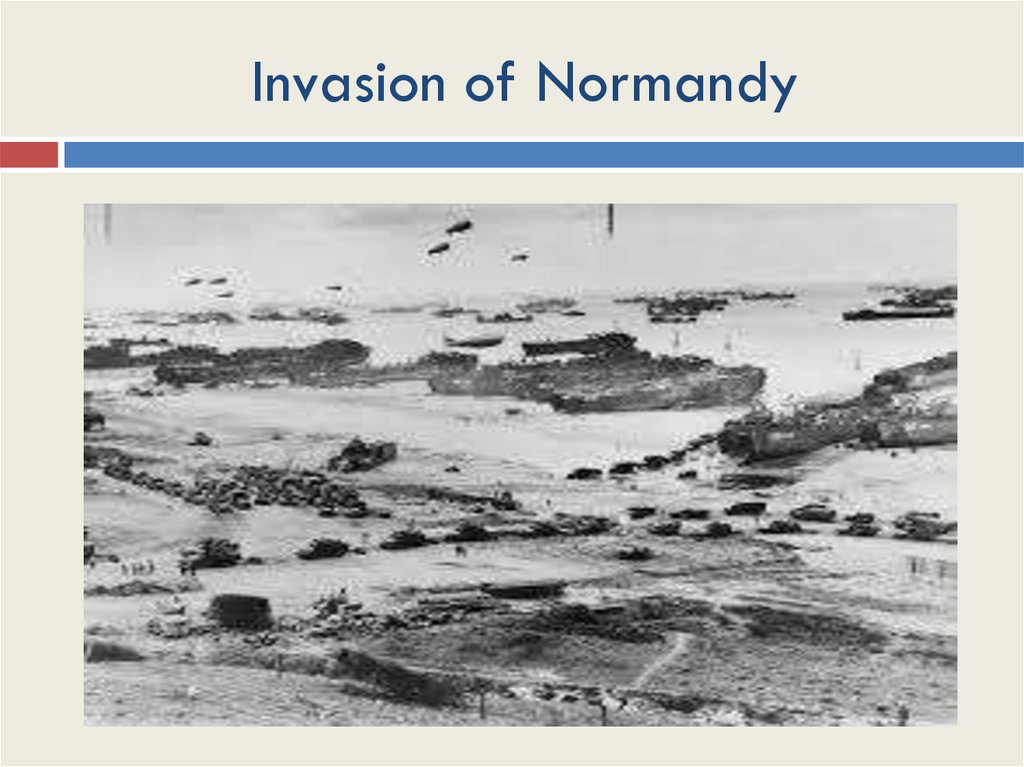
31. Invasion of Normandy
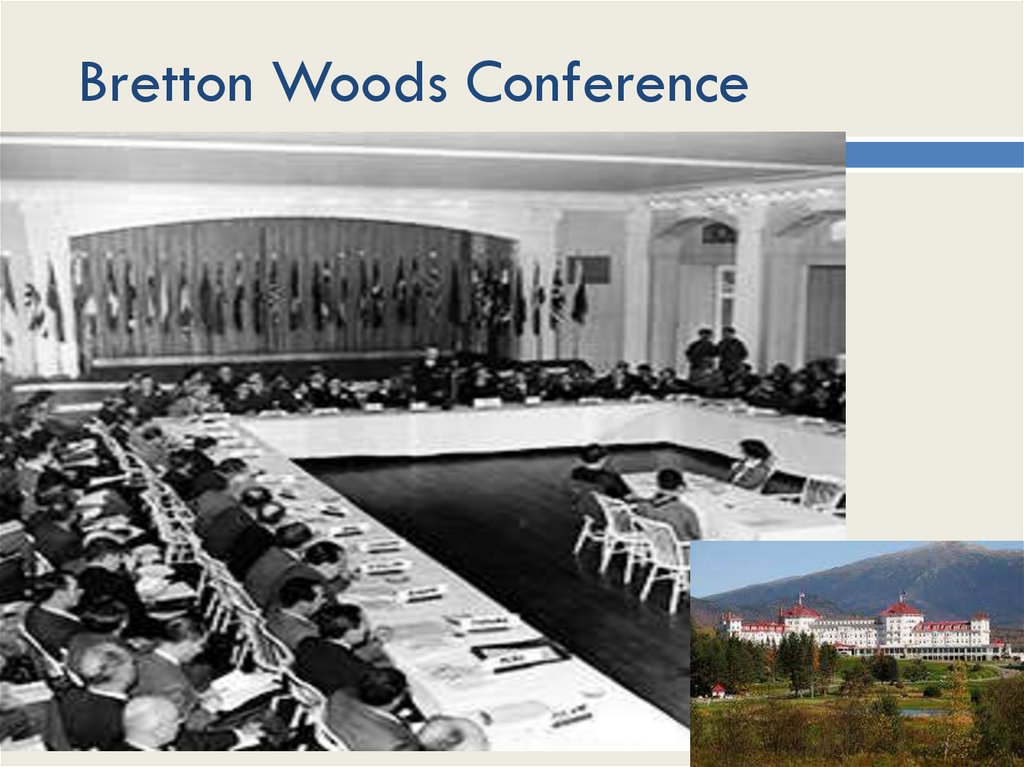
32. Bretton Woods Conference
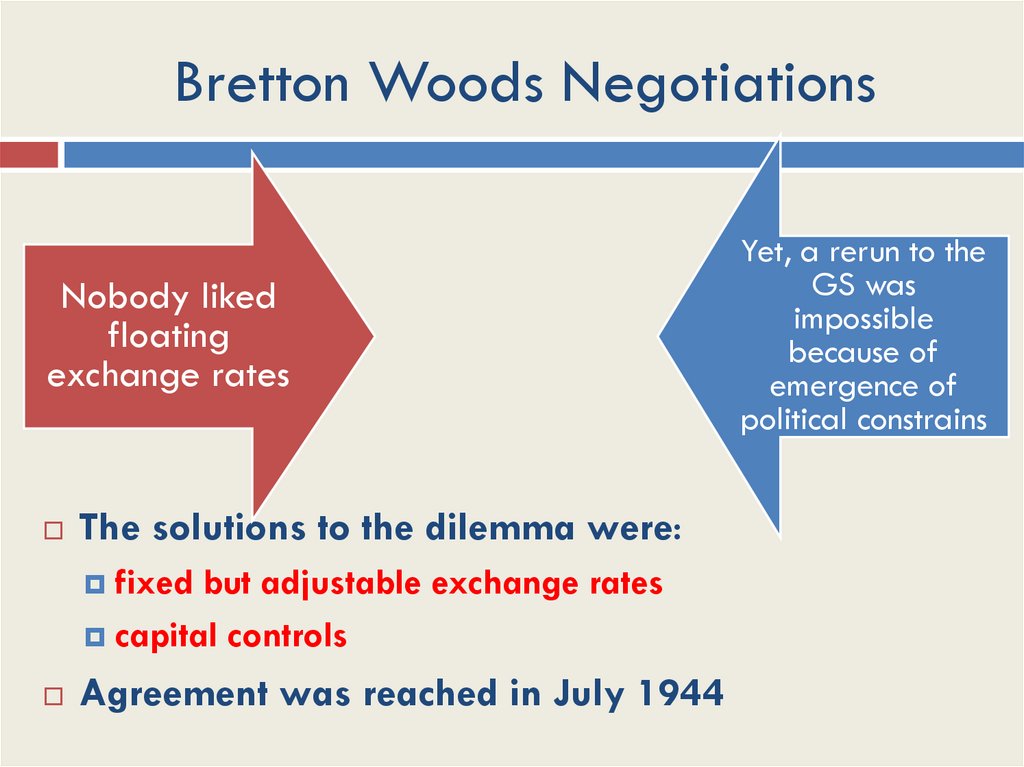
33. Bretton Woods Negotiations
Nobody likedfloating
exchange rates
The solutions to the dilemma were:
fixed but adjustable exchange rates
capital controls
Agreement was reached in July 1944
Yet, a rerun to the
GS was
impossible
because of
emergence of
political constrains
34. Bretton Woods
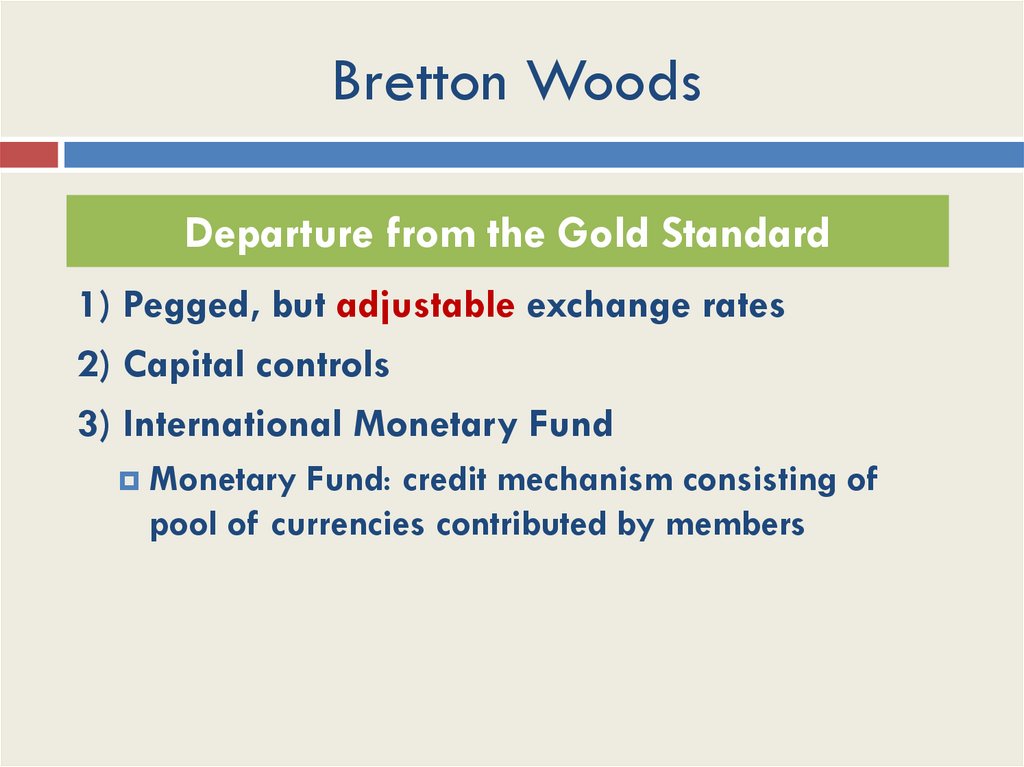
Departure from the Gold Standard1) Pegged, but adjustable exchange rates
2) Capital controls
3) International Monetary Fund
Monetary Fund: credit mechanism consisting of
pool of currencies contributed by members
35. Features of Fixed Exchange Rates
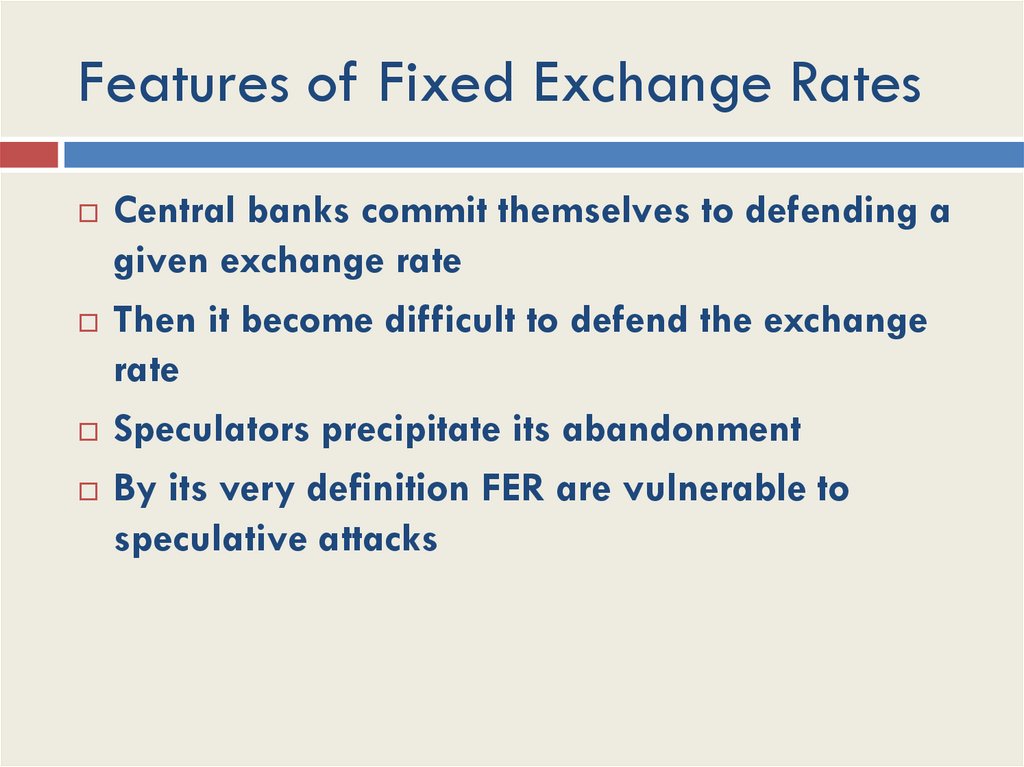
Central banks commit themselves to defending agiven exchange rate
Then it become difficult to defend the exchange
rate
Speculators precipitate its abandonment
By its very definition FER are vulnerable to
speculative attacks
36. Nixon
https://www.youtube.com/watch?v=iRzr1QU6K1o37. International Monetary Regimes
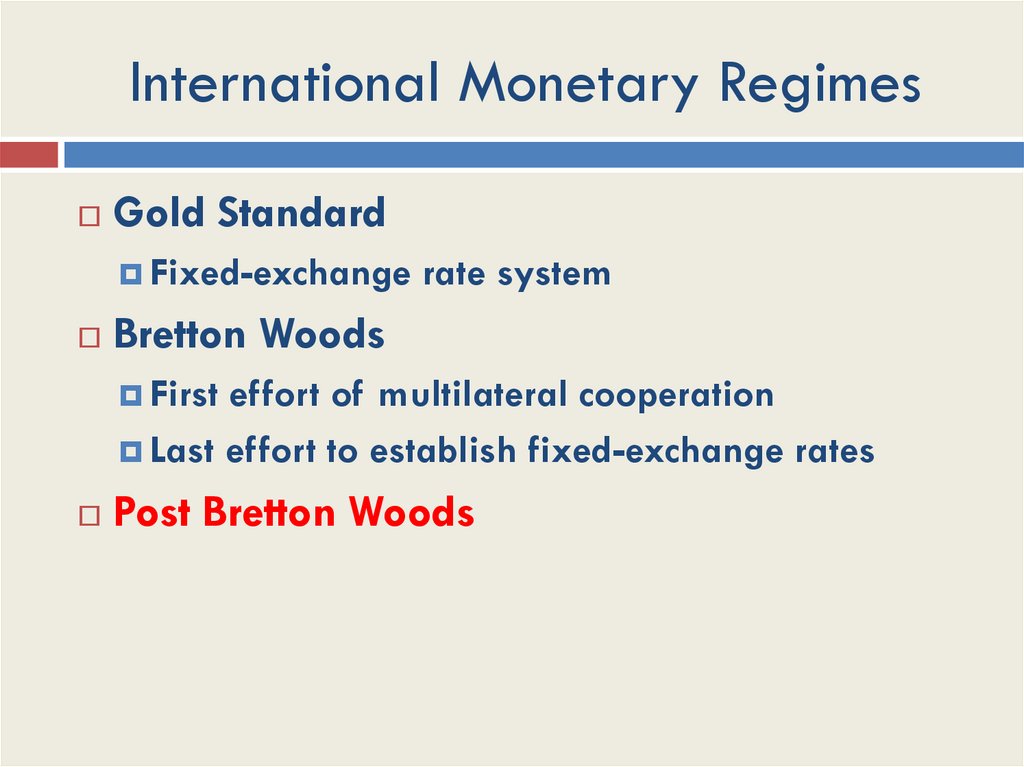
Gold StandardFixed-exchange rate system
Bretton Woods
First effort of multilateral cooperation
Last effort to establish fixed-exchange rates
Post Bretton Woods
38. Floating Exchange Rate
Departure from the Bretton WoodsFloating exchange rates
Capital mobility
IMF (new purpose)
Monetary Fund: credit mechanism consisting of
pool of currencies contributed by members
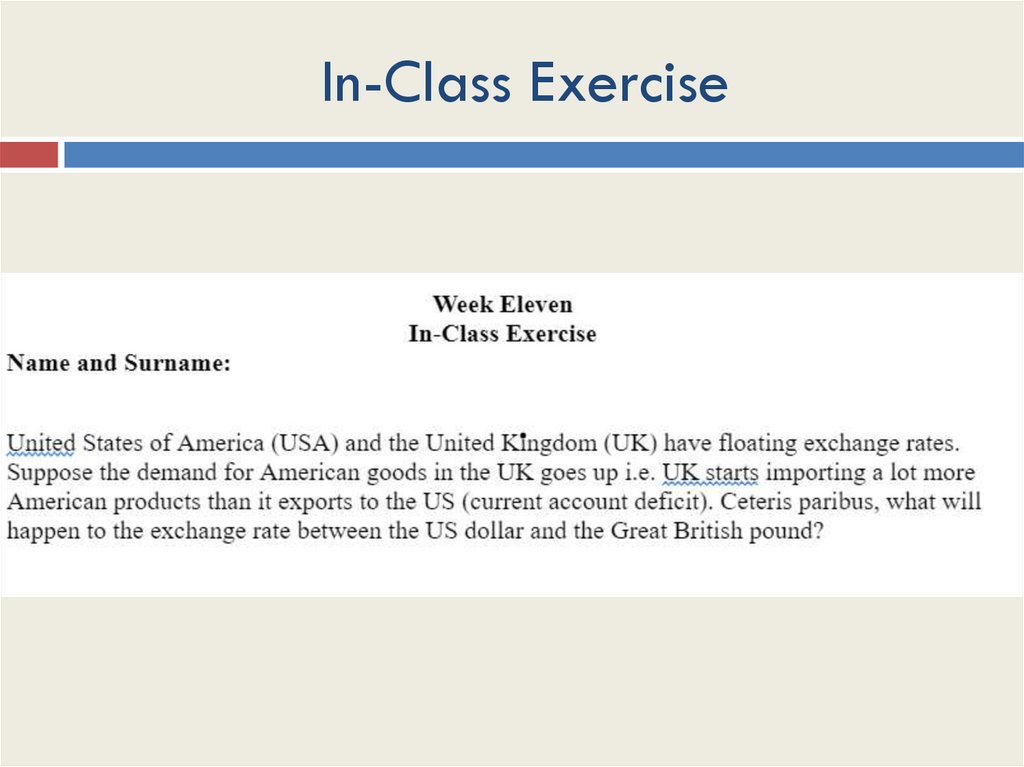
39. In-Class Exercise
40. Q&A
Q&ADr Maja
Savevska
Thank you for your attention