



 Медицина
Похожие презентации:

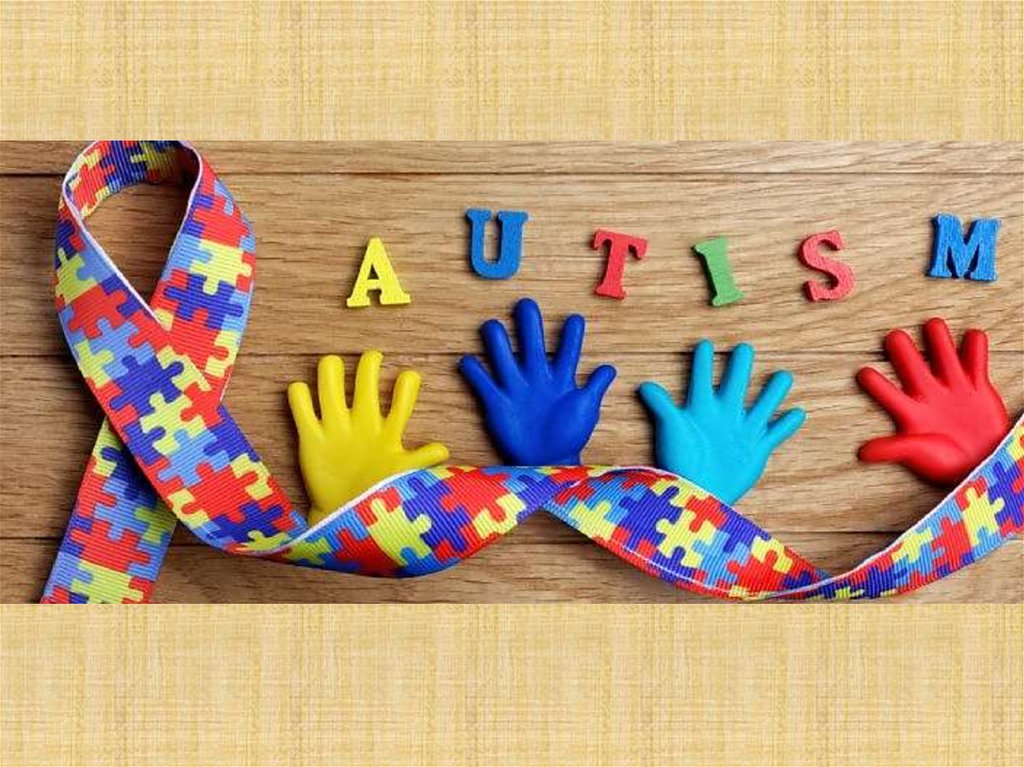
“Autism” means a developmental disability
1.
2.
“Autism” means a developmentaldisability significantly affecting
verbal and non-verbal
communication and social
interaction, generally evident before
age three, that adversely affects the
child’s educational performance.
Autism is not a disease, it is one type
of pervasive developmental disorder
3.
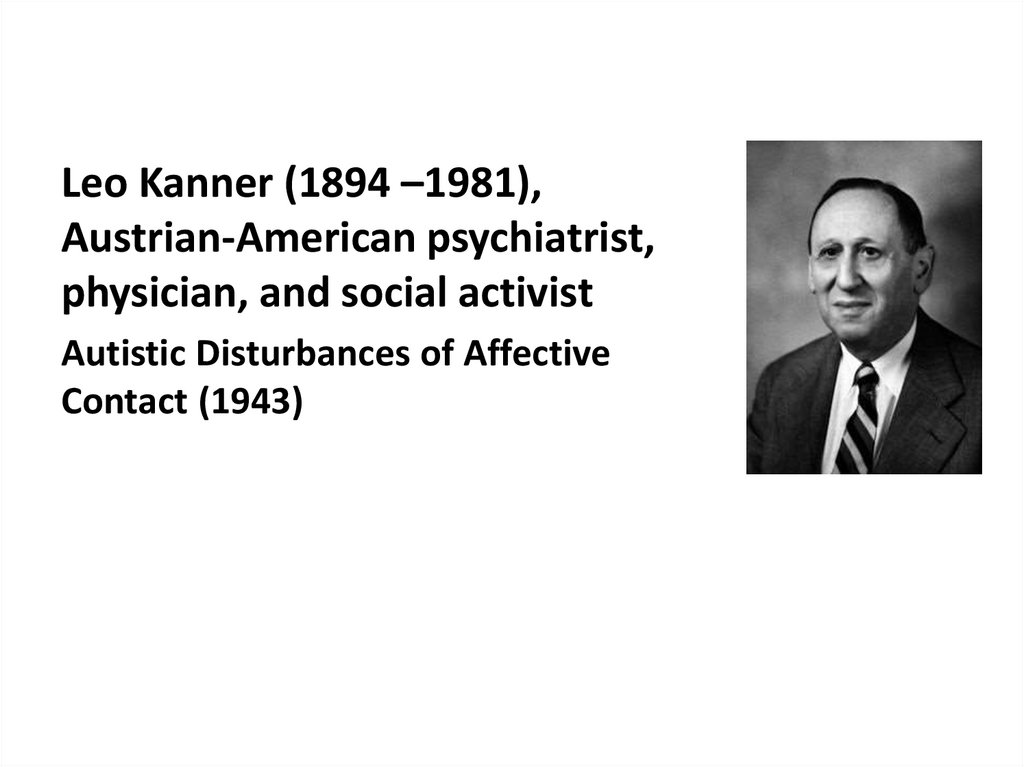
Leo Kanner (1894 –1981),Austrian-American psychiatrist,
physician, and social activist
Autistic Disturbances of Affective
Contact (1943)
4. Autism is Lifelong Disorder
• Not caused post-birth; happens before born (NOTdiet, vaccinations)
• Intervention can positively impact evolution of the
disorder, mitigate severity of symptoms
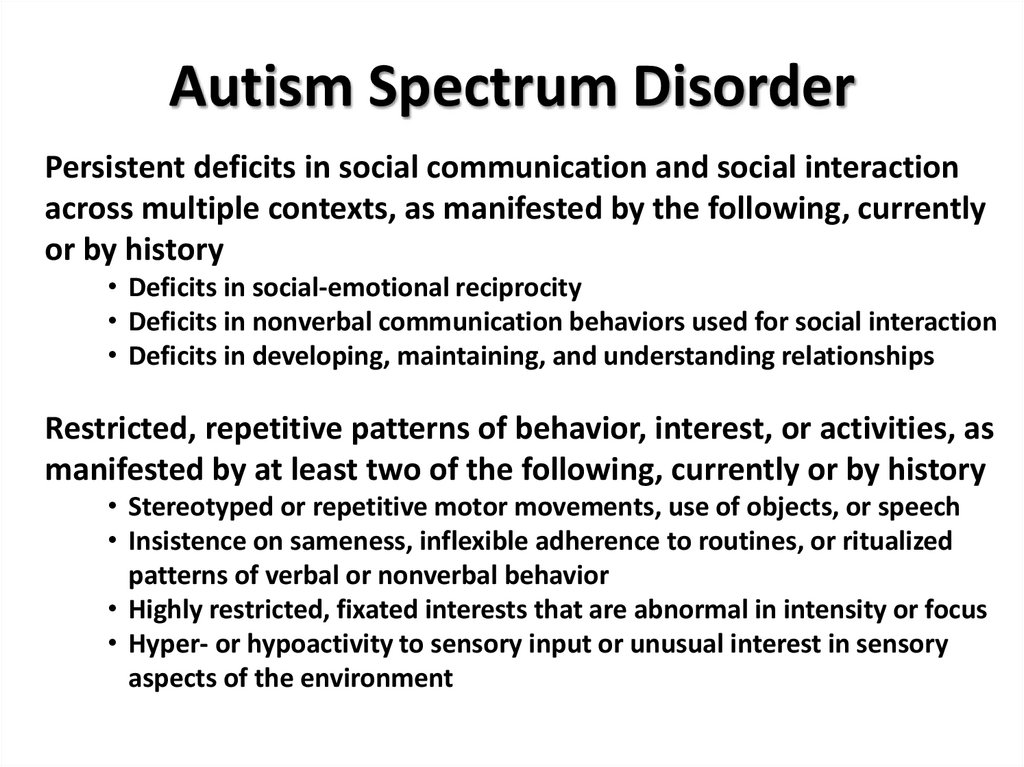
• Cannot “cure” the disorder
• Symptoms should modify with age and treatment
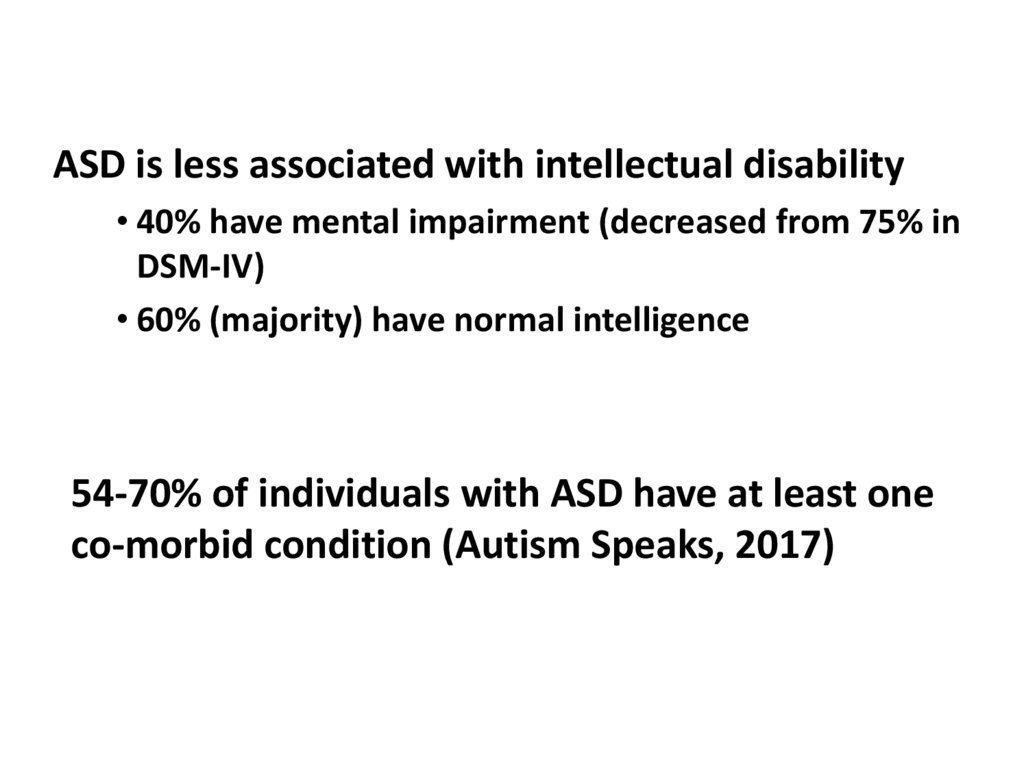
• Autism was also often misdiagnosed as early
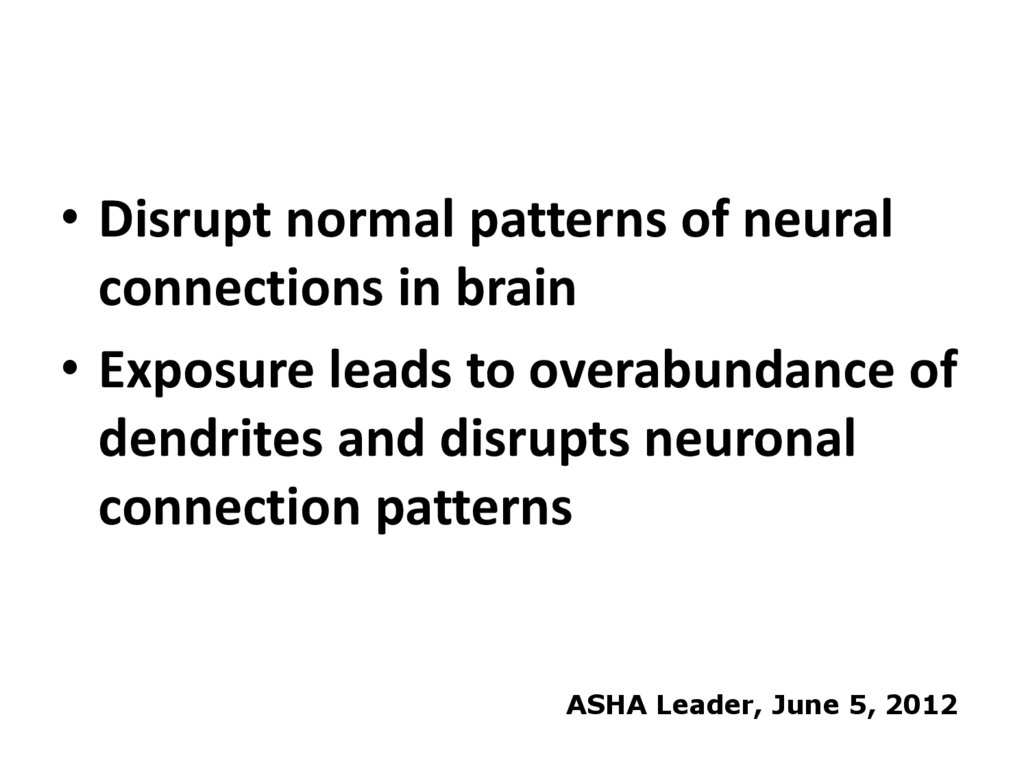
childhood schizophrenia
• Research suggests etiology of autism based in DNA
5.
6.
7.
8.
Дастин ХоффманТом Круз
9.
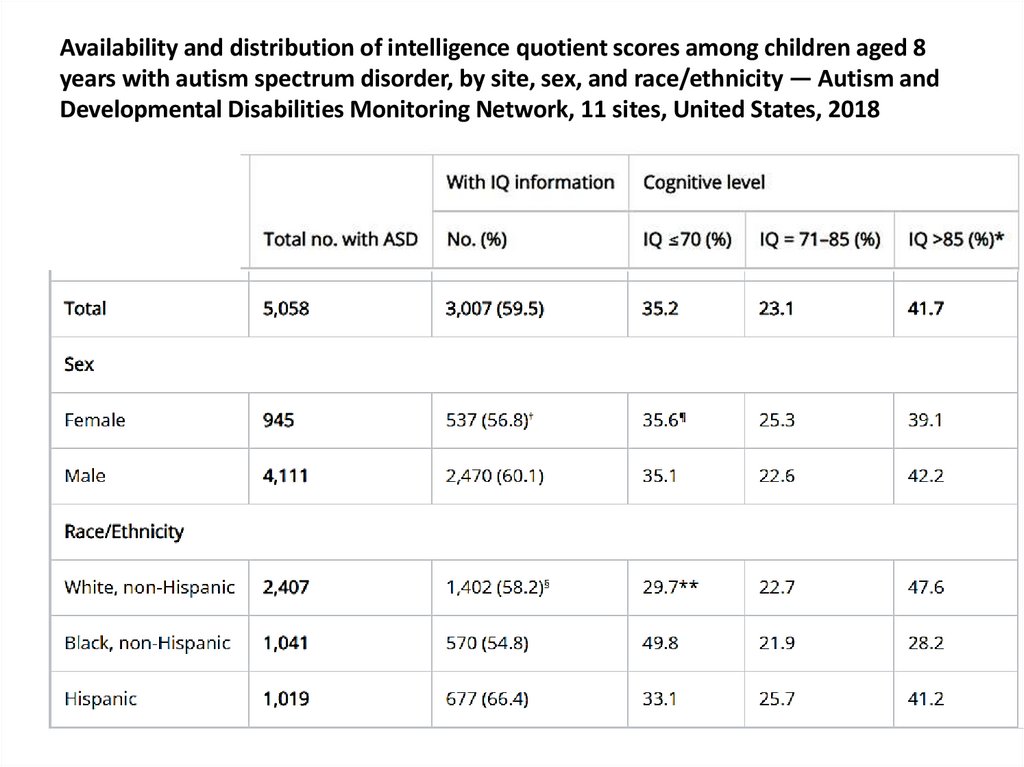
10. Availability and distribution of intelligence quotient scores among children aged 8 years with autism spectrum disorder, by
site, sex, and race/ethnicity — Autism andDevelopmental Disabilities Monitoring Network, 11 sites, United States, 2018
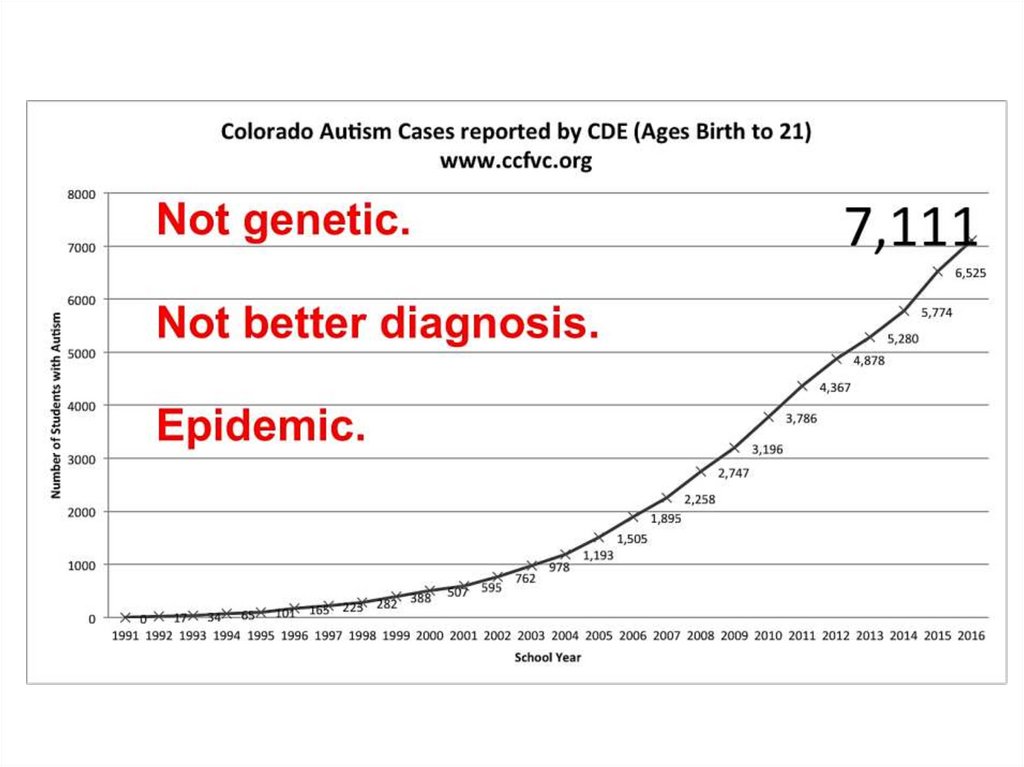
11.
12.
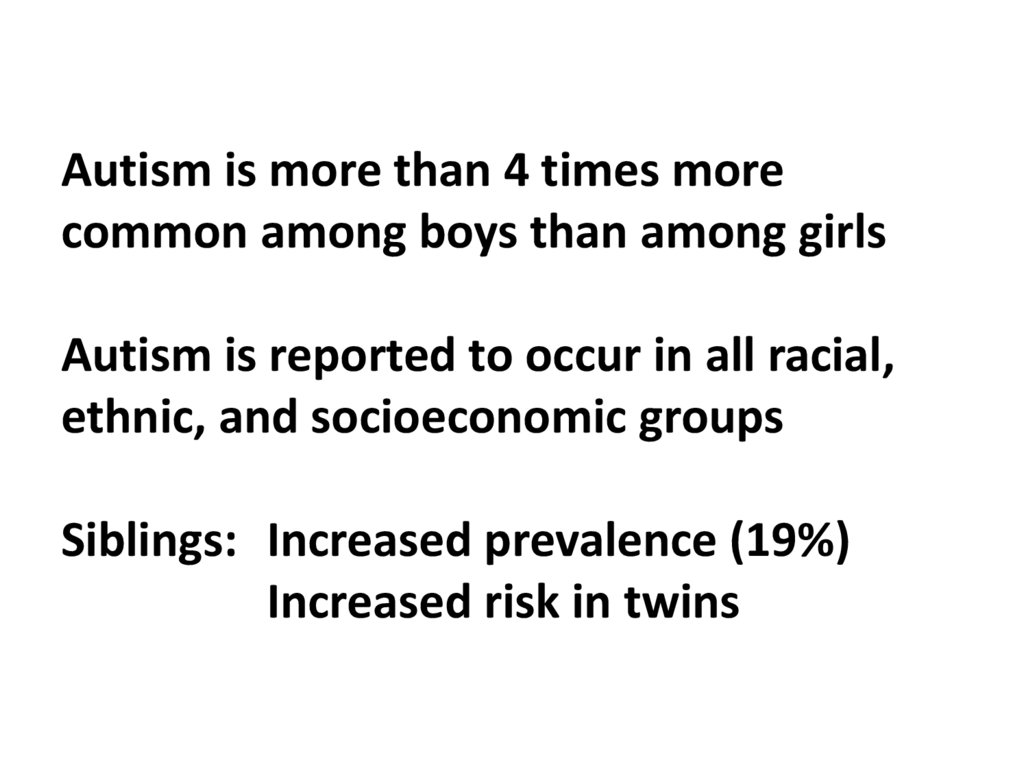
Autism is more than 4 times morecommon among boys than among girls
Autism is reported to occur in all racial,
ethnic, and socioeconomic groups
Siblings: Increased prevalence (19%)
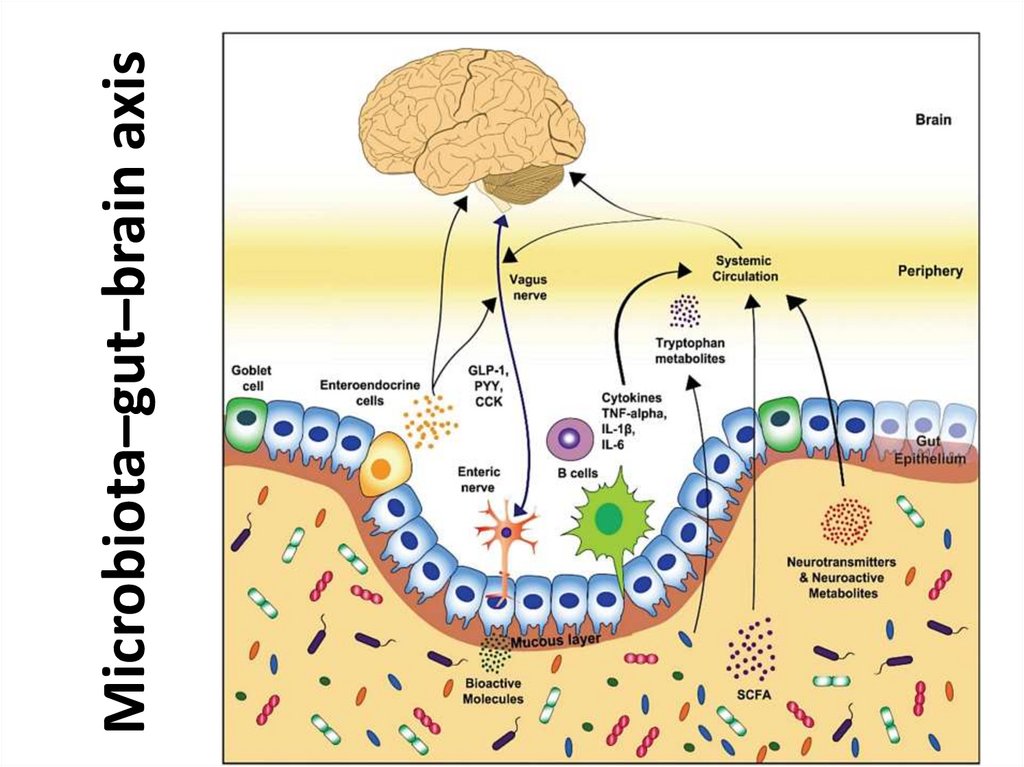
Increased risk in twins
13.
14. Autism Genome Project
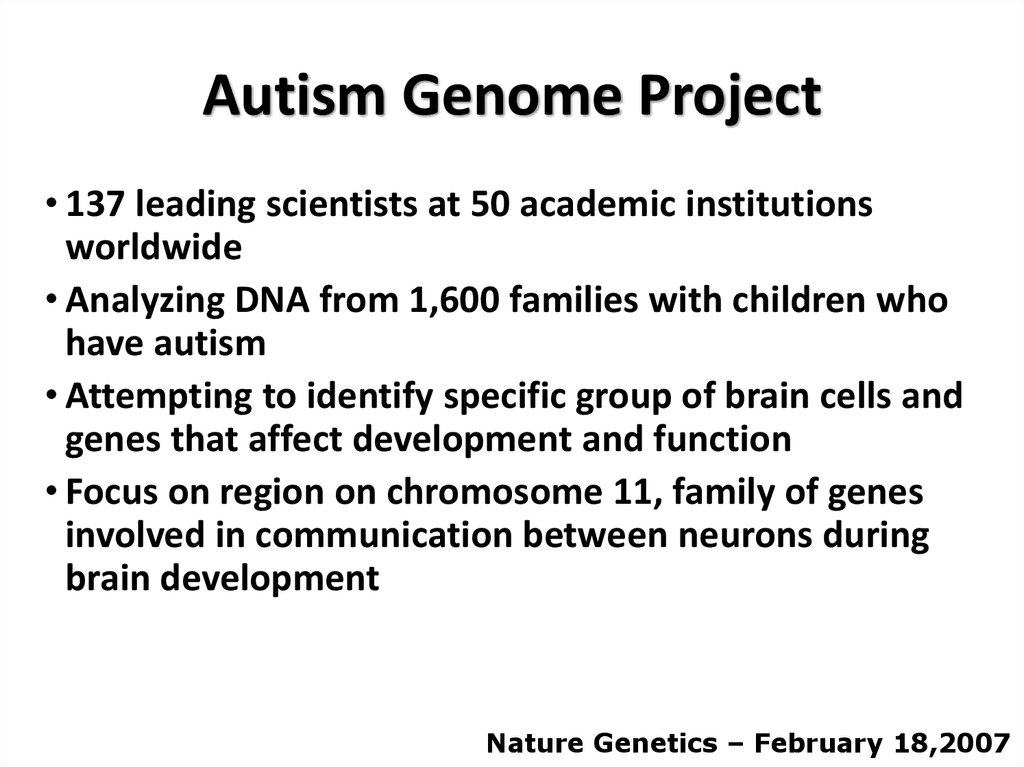
• 137 leading scientists at 50 academic institutionsworldwide
• Analyzing DNA from 1,600 families with children who
have autism
• Attempting to identify specific group of brain cells and
genes that affect development and function
• Focus on region on chromosome 11, family of genes
involved in communication between neurons during
brain development
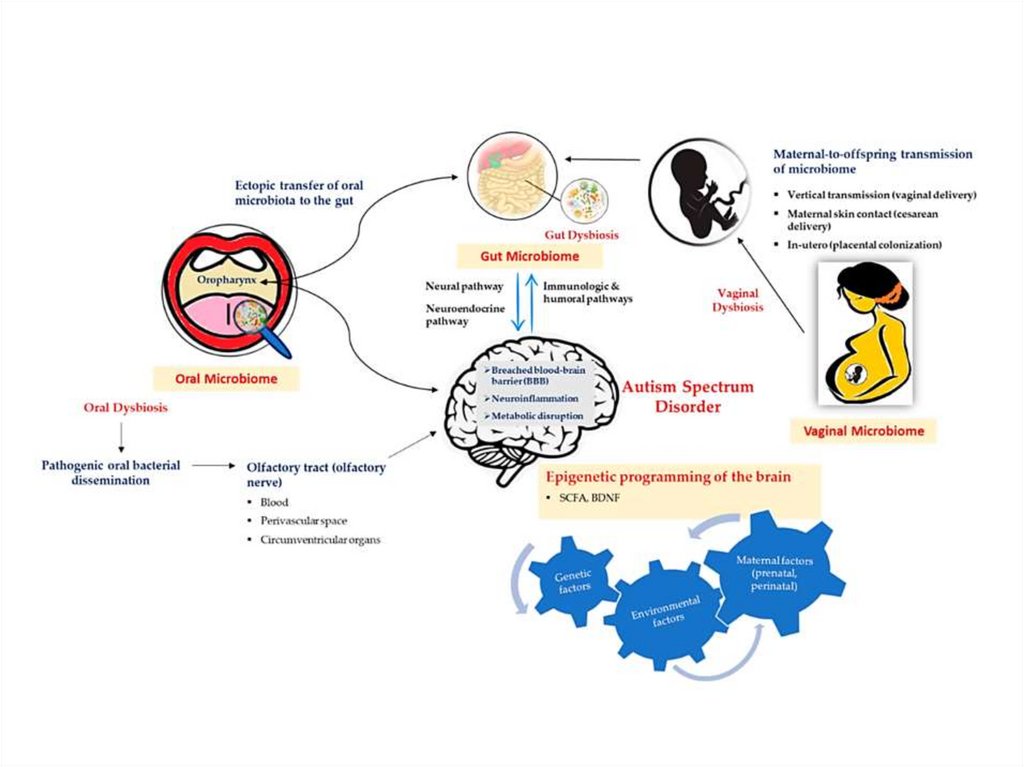
Nature Genetics – February 18,2007
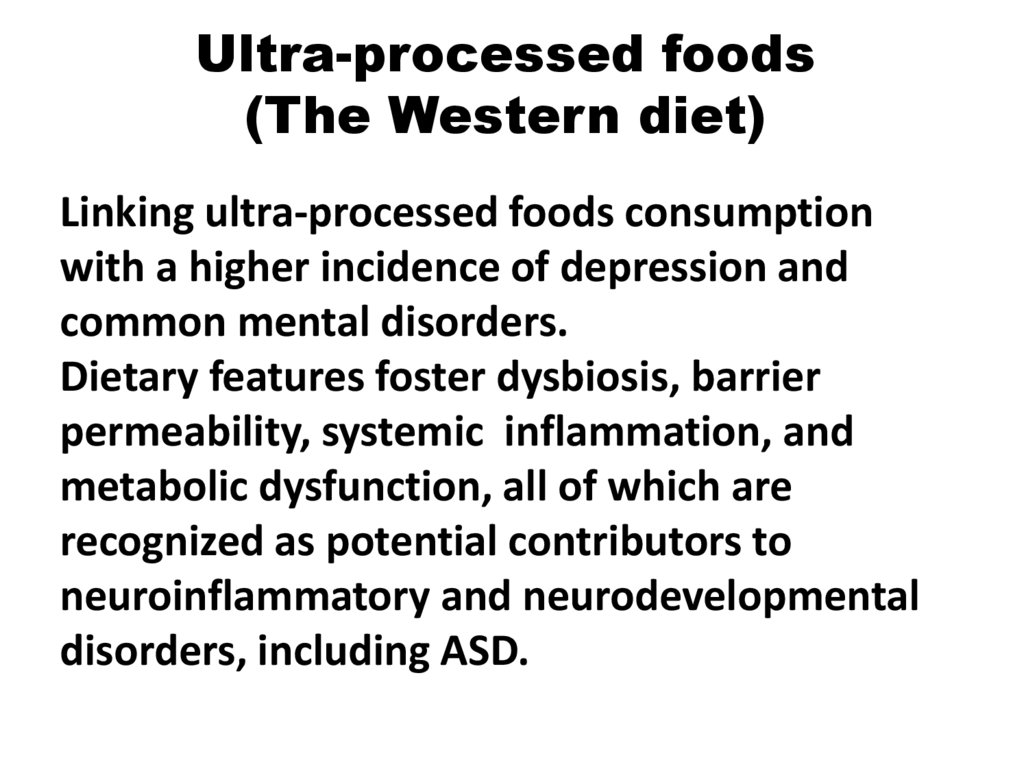
15. Current Status of Autism Spectrum Disorder
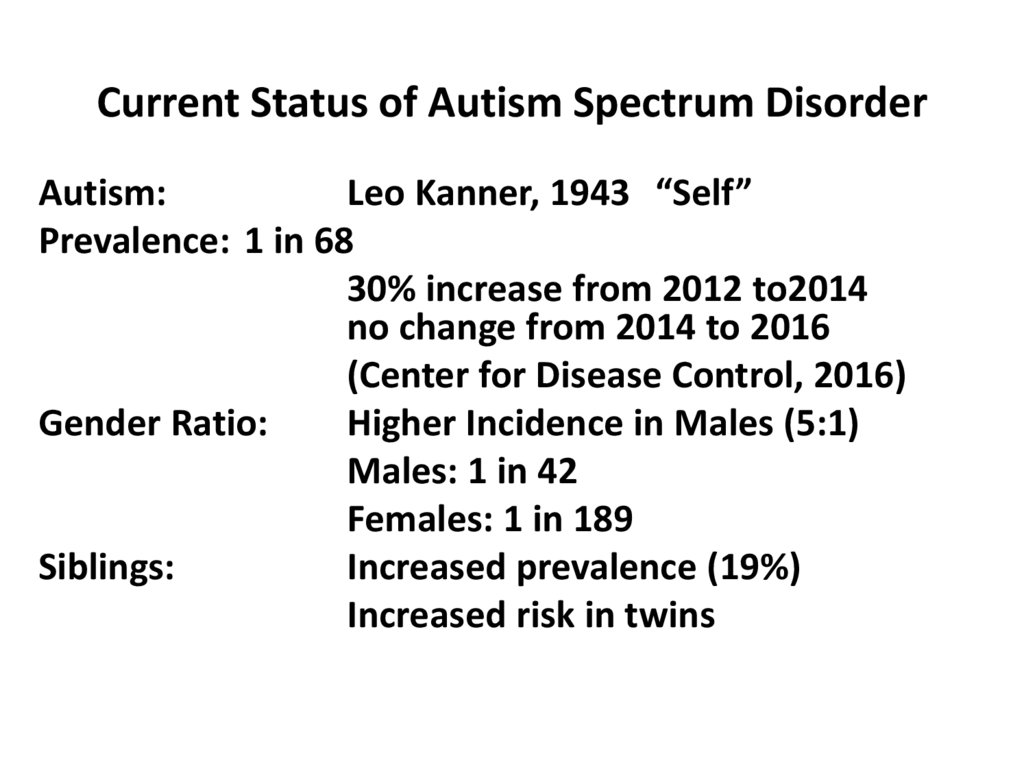
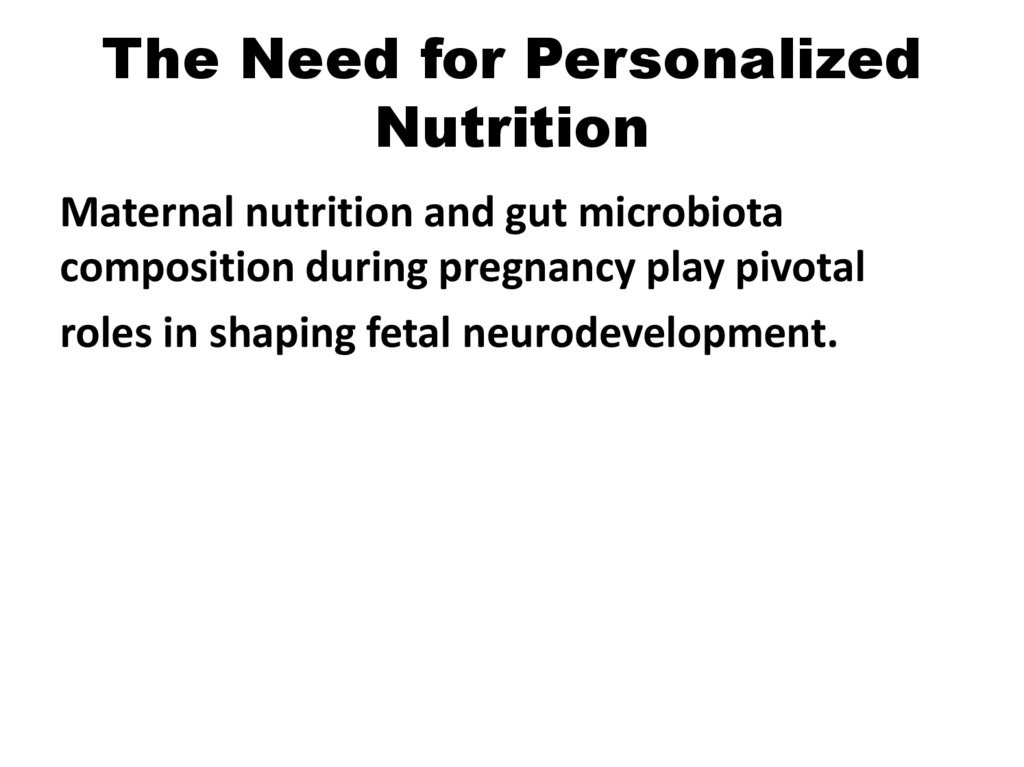
Autism:Leo Kanner, 1943 “Self”
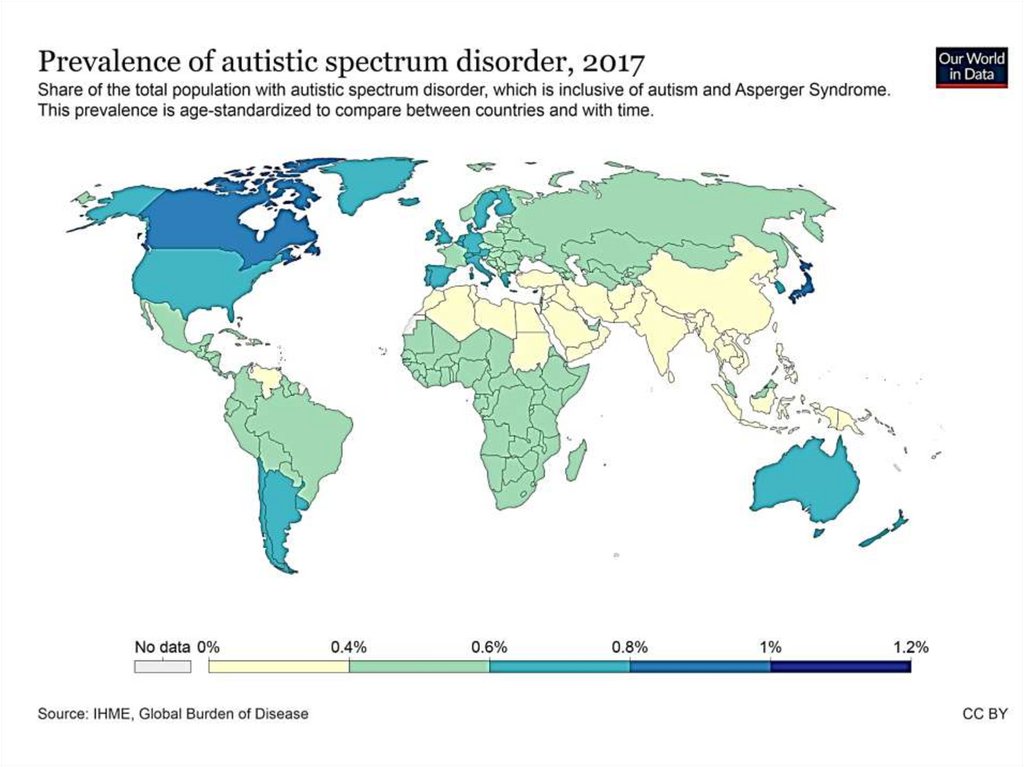
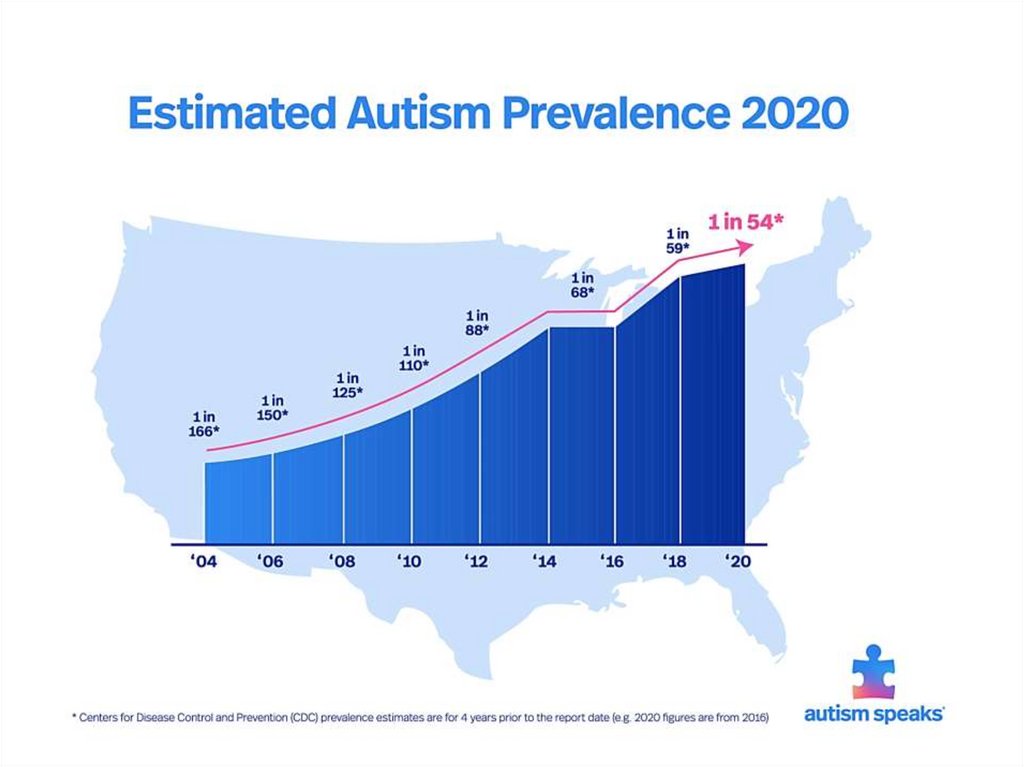
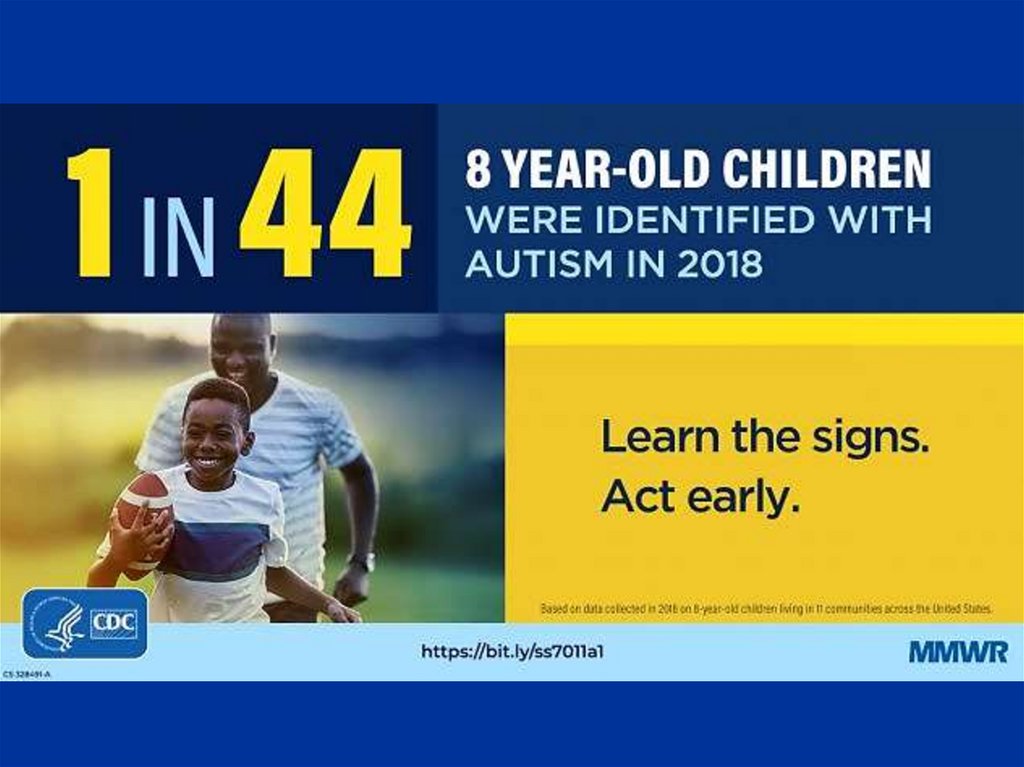
Prevalence: 1 in 68
30% increase from 2012 to2014
no change from 2014 to 2016
(Center for Disease Control, 2016)
Gender Ratio:
Higher Incidence in Males (5:1)
Males: 1 in 42
Females: 1 in 189
Siblings:
Increased prevalence (19%)
Increased risk in twins
16.
17.
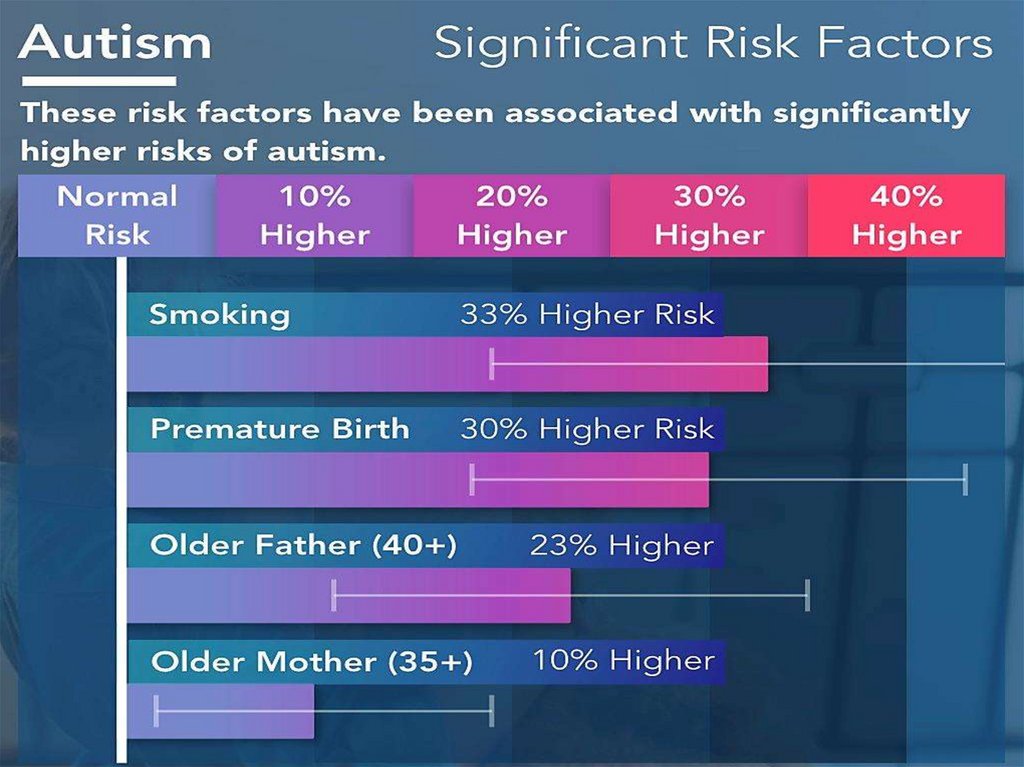
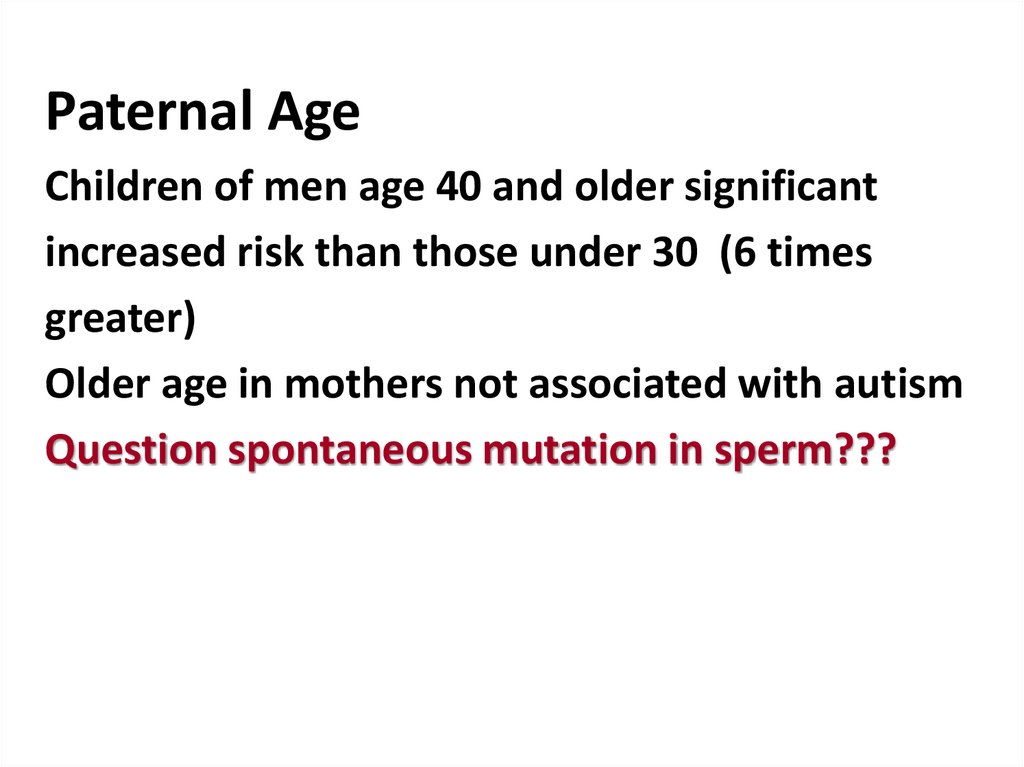
Рaternal AgeChildren of men age 40 and older significant
increased risk than those under 30 (6 times
greater)
Older age in mothers not associated with autism
Question spontaneous mutation in sperm???
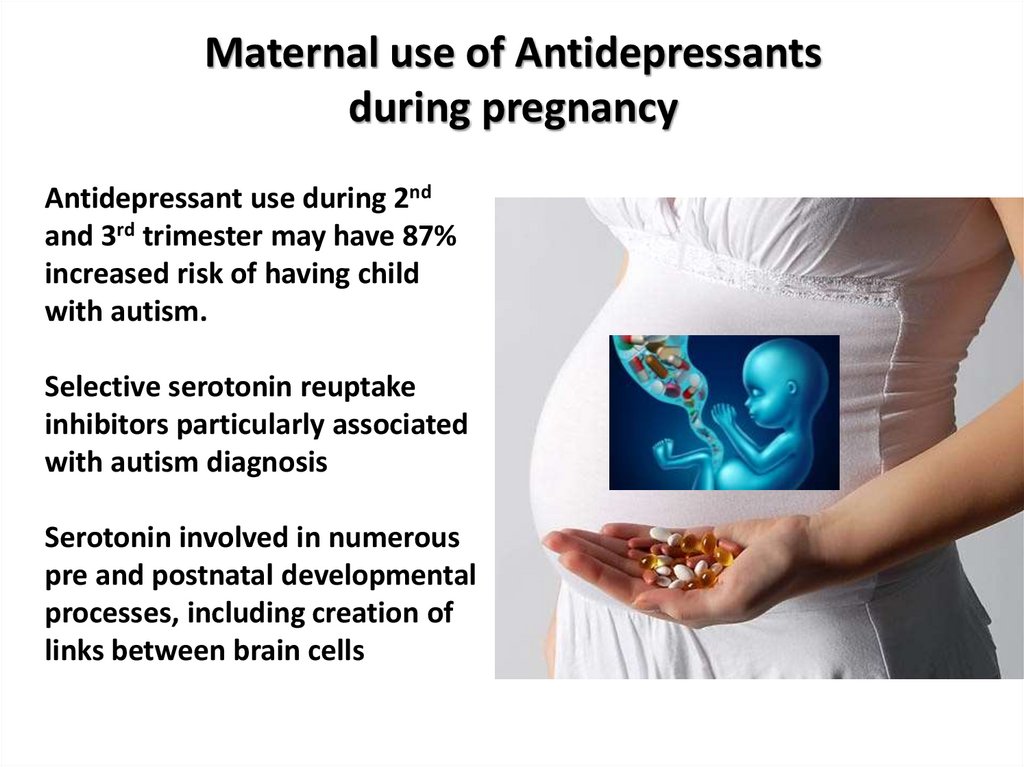
18. Maternal use of Antidepressants during pregnancy
Antidepressant use during 2ndand 3rd trimester may have 87%
increased risk of having child
with autism.
Selective serotonin reuptake
inhibitors particularly associated
with autism diagnosis
Serotonin involved in numerous
pre and postnatal developmental
processes, including creation of
links between brain cells
19. Studying pregnant women with autism may offer clues to the condition
20.
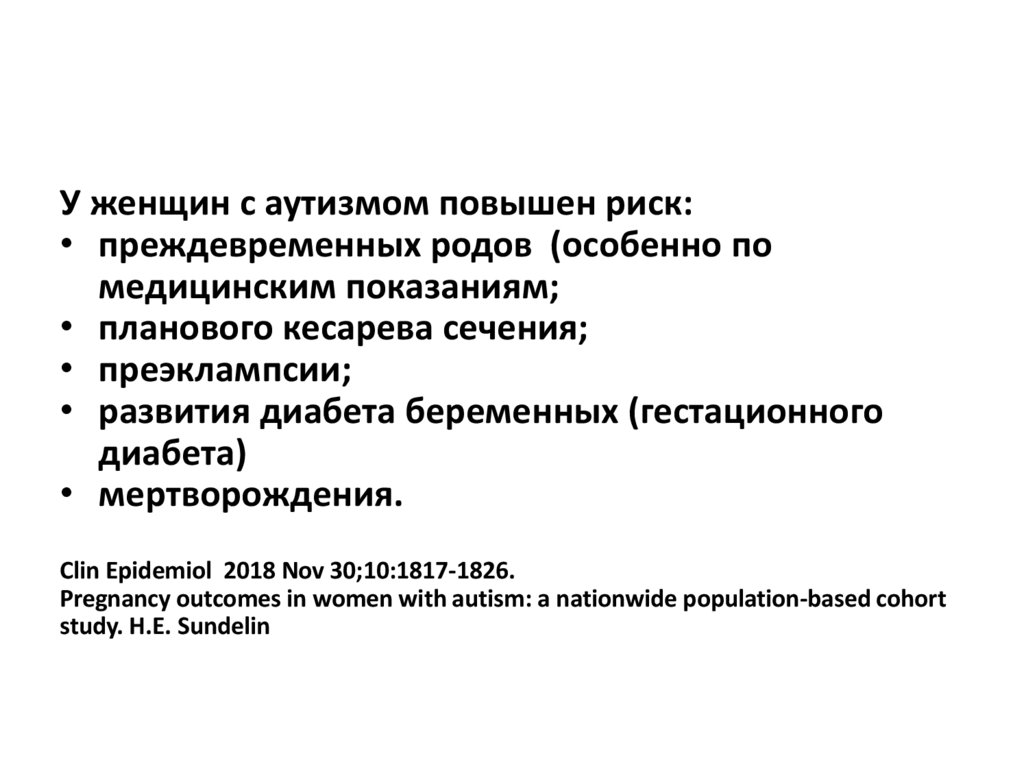
У женщин с аутизмом повышен риск:• преждевременных родов (особенно по
медицинским показаниям;
• планового кесарева сечения;
• преэклампсии;
• развития диабета беременных (гестационного
диабета)
• мертворождения.
Clin Epidemiol 2018 Nov 30;10:1817-1826.
Pregnancy outcomes in women with autism: a nationwide population-based cohort
study. H.E. Sundelin
21.
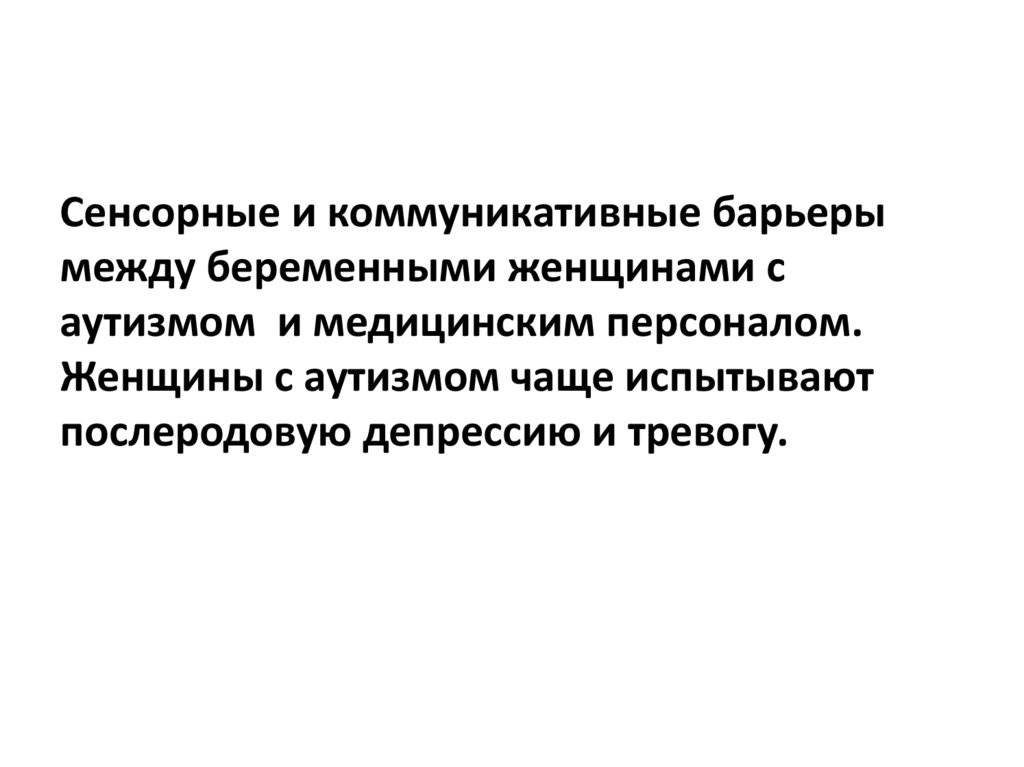
Сенсорные и коммуникативные барьерымежду беременными женщинами с
аутизмом и медицинским персоналом.
Женщины с аутизмом чаще испытывают
послеродовую депрессию и тревогу.
22. Autism Spectrum Disorder
Persistent deficits in social communication and social interactionacross multiple contexts, as manifested by the following, currently
or by history
• Deficits in social-emotional reciprocity
• Deficits in nonverbal communication behaviors used for social interaction
• Deficits in developing, maintaining, and understanding relationships
Restricted, repetitive patterns of behavior, interest, or activities, as
manifested by at least two of the following, currently or by history
• Stereotyped or repetitive motor movements, use of objects, or speech
• Insistence on sameness, inflexible adherence to routines, or ritualized
patterns of verbal or nonverbal behavior
• Highly restricted, fixated interests that are abnormal in intensity or focus
• Hyper- or hypoactivity to sensory input or unusual interest in sensory
aspects of the environment
23. Children with autism demonstrate behaviors that cannot be changed.
24.
ASD is less associated with intellectual disability• 40% have mental impairment (decreased from 75% in
DSM-IV)
• 60% (majority) have normal intelligence
54-70% of individuals with ASD have at least one
co-morbid condition (Autism Speaks, 2017)
25.
• Disrupt normal patterns of neuralconnections in brain
• Exposure leads to overabundance of
dendrites and disrupts neuronal
connection patterns
ASHA Leader, June 5, 2012
26. No Correlation with Vaccinations and ASD
• Danish Study suggests no linkbetween autism and thimerosol
• Eliminated from vaccines in 2001; no
decline in incidence of autism
Advance SLP/A-October 31, 2005 (p.17)
27.
• No definitive medical test (i.e.,blood test, chromosome
analysis) for autism spectrum
28.
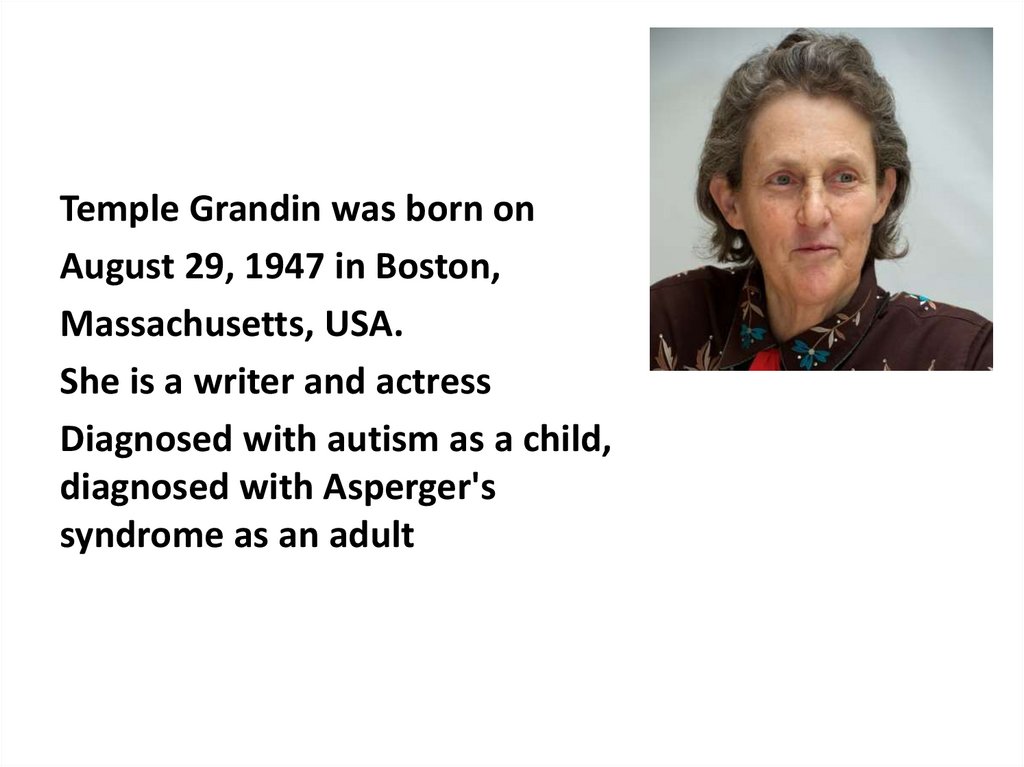
Temple Grandin was born onAugust 29, 1947 in Boston,
Massachusetts, USA.
She is a writer and actress
Diagnosed with autism as a child,
diagnosed with Asperger's
syndrome as an adult
29.
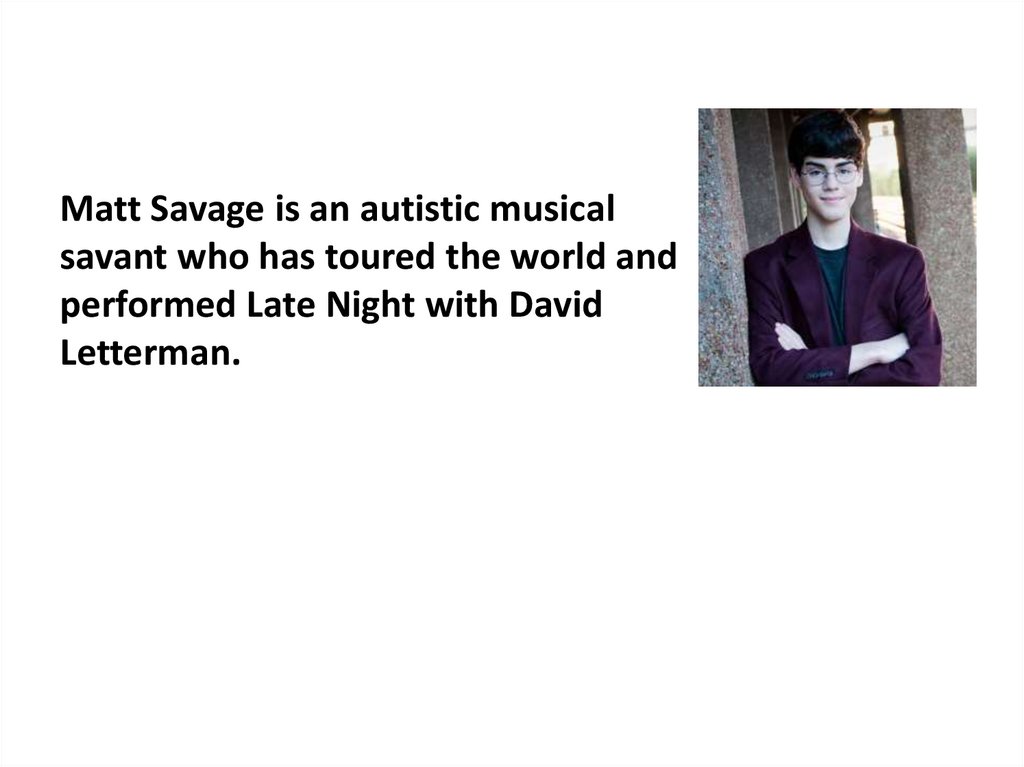
Matt Savage is an autistic musicalsavant who has toured the world and
performed Late Night with David
Letterman.
30.
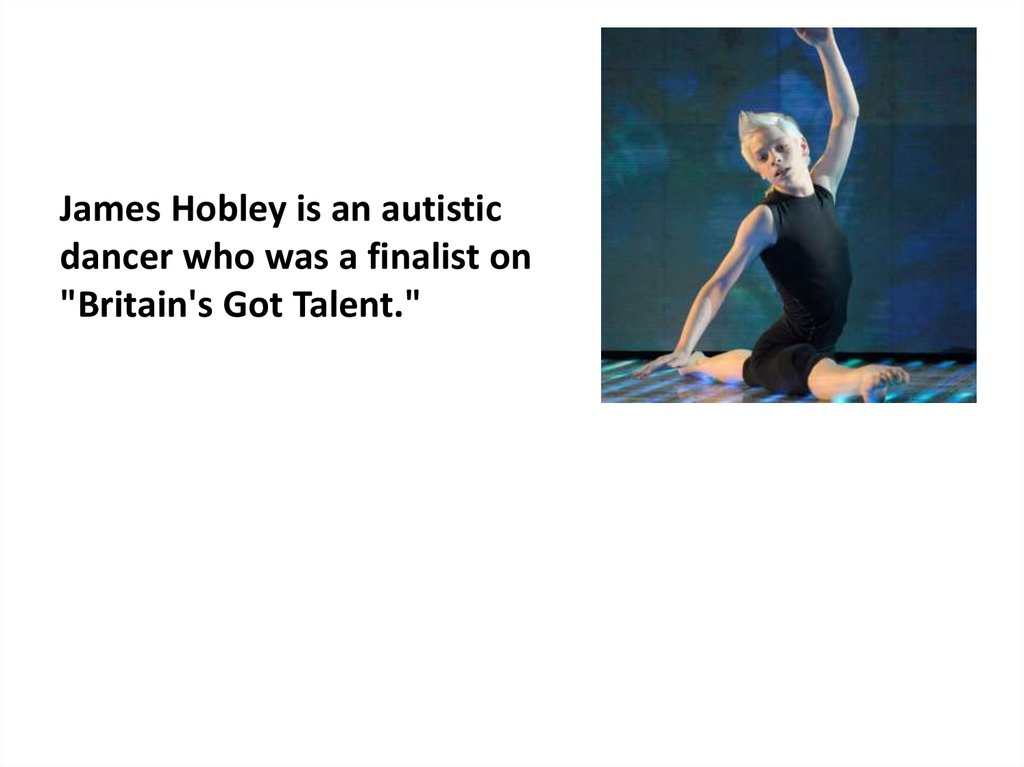
James Hobley is an autisticdancer who was a finalist on
"Britain's Got Talent."
31.
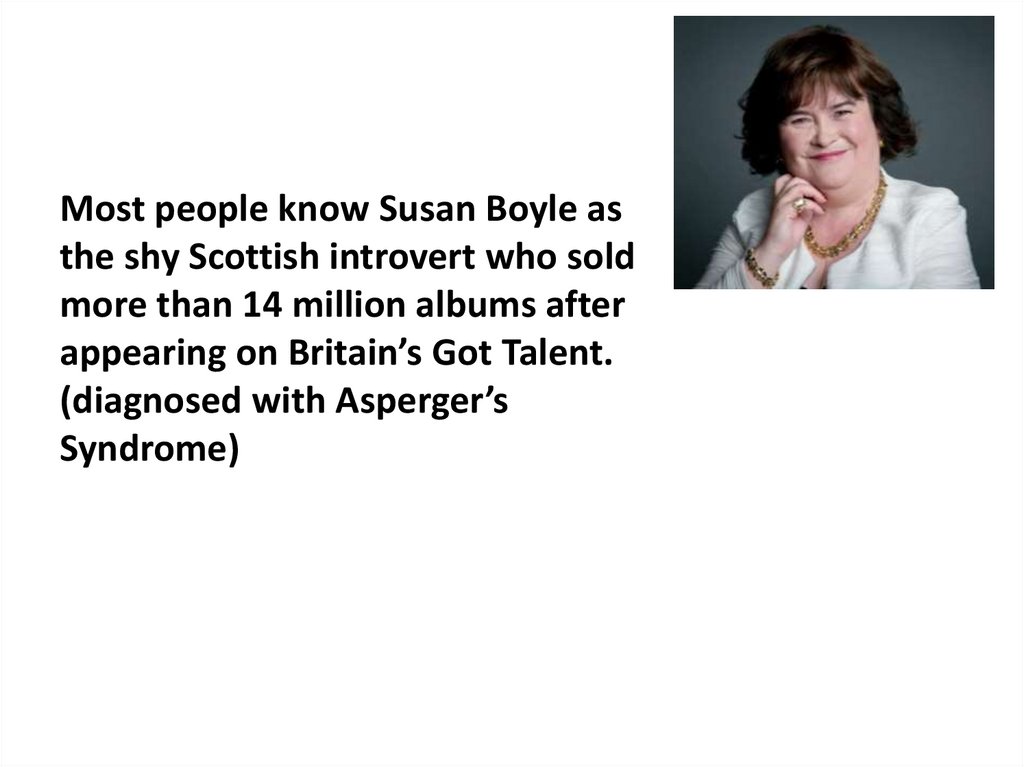
Most people know Susan Boyle asthe shy Scottish introvert who sold
more than 14 million albums after
appearing on Britain’s Got Talent.
(diagnosed with Asperger’s
Syndrome)
32.
Elon Reeve Musk FRS is anentrepreneur and business magnate.
He is the founder, CEO and Chief
Engineer at SpaceX; early-stage
investor, CEO and Product Architect
of Tesla, Inc.; founder of The Boring
Company; and co-founder of
Neuralink and OpenAI
33.
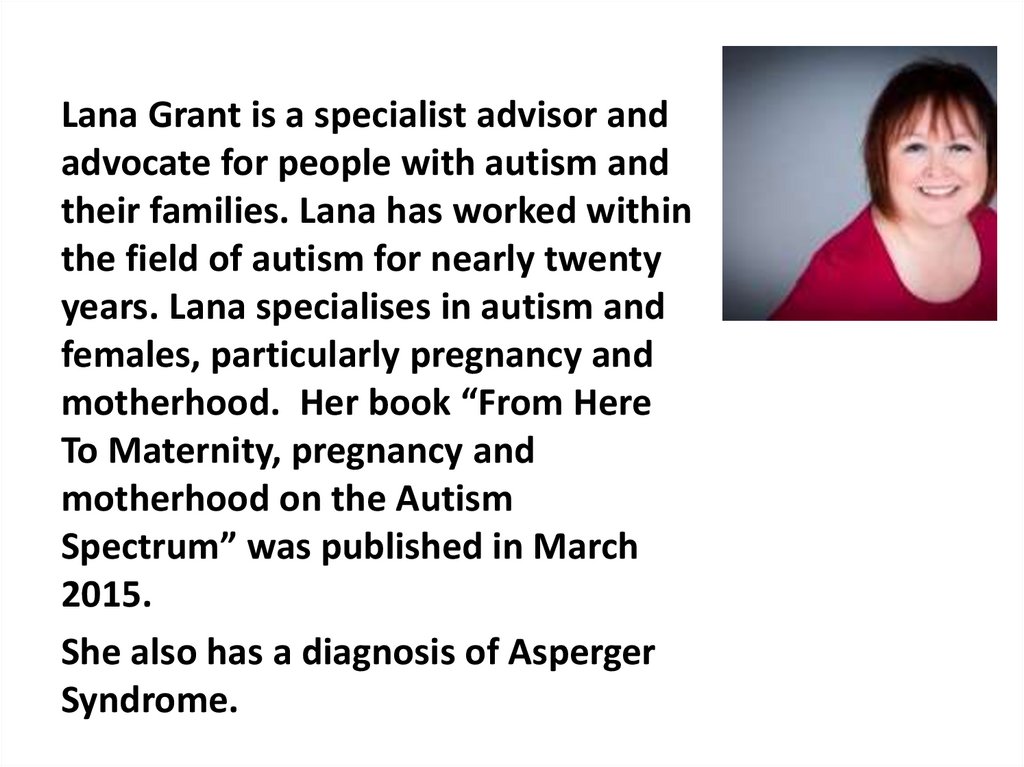
Lana Grant is a specialist advisor andadvocate for people with autism and
their families. Lana has worked within
the field of autism for nearly twenty
years. Lana specialises in autism and
females, particularly pregnancy and
motherhood. Her book “From Here
To Maternity, pregnancy and
motherhood on the Autism
Spectrum” was published in March
2015.
She also has a diagnosis of Asperger
Syndrome.
34.
35. Genetics of Autism heritability 40% to 80%
While genetic factors have been extensivelycharacterized, with hundreds of gene variants
identified as conferring increased susceptibility, the
increase in incidence and its enormous clinical
variability cannot be explained by genetics alone.
36.
The etiology of ASD is now understood as theoutcome of a multifactorial interaction
between genetic, epigenetic, and
environmental influences.
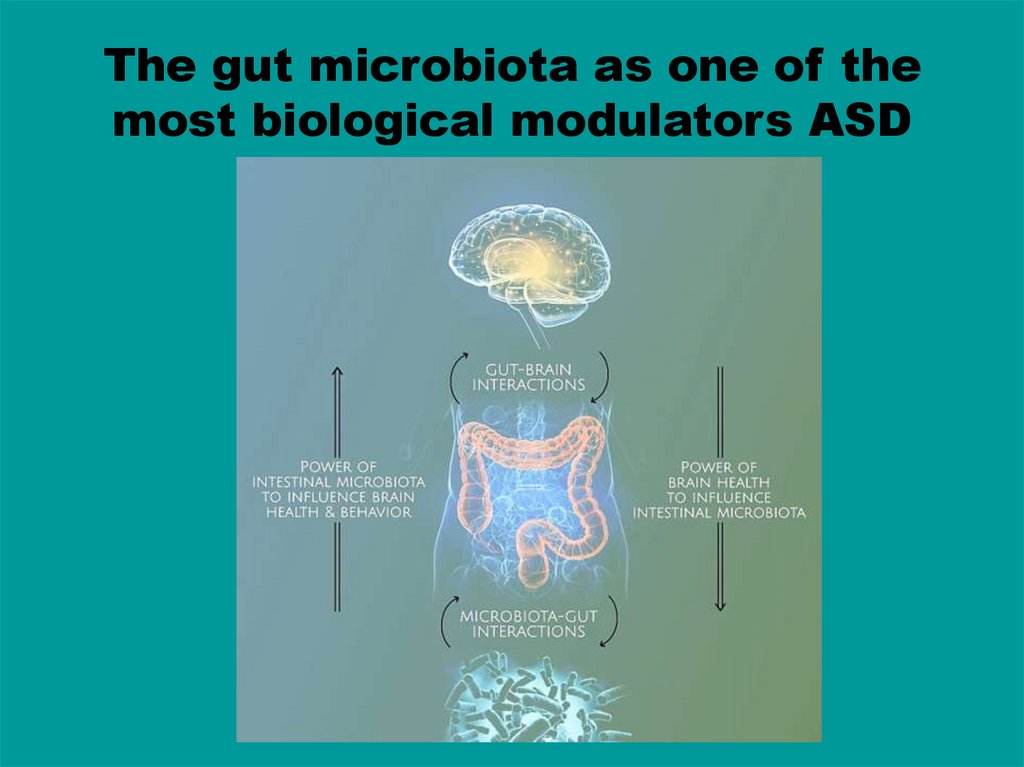
37. Тhe gut microbiota as one of the most biological modulators ASD
38. Тhe gut microbiota as one of the most biological modulators ASD
In recent years, evidence has expanded linking the gutmicrobiota not only to gastrointestinal health but also
to brain development and the regulation of social,
emotional, and cognitive behaviors through the socalled microbiota–gut–brain axis (MGBA).
These discoveries have opened novel avenues for
exploring the biological underpinnings of
neuropsychiatric conditions, including ASD.
39. Interest in the microbiota–ASD connection has been driven by several key observations:
• The high prevalence of gastrointestinalsymptoms among children with ASD exceeds that
observed in typically developing peers
• Preclinical findings demonstrate that alterations
in microbial composition can modulate social and
anxiety-like behaviors in animal models
• Early clinical evidence indicates that nutritional
or microbiota-targeted interventions may
influence behavioral outcomes
40.
Children with ASD show a reduced abundanceof beneficial taxa (Bifidobacterium, Prevotella)
and increased potential pathobionts
(Clostridium spp.), patterns similar to those
seen in infants born by cesarean section
41. Microbiota–gut–brain axis
42. Enteric nervous system (ENS) The vagus nerve
Neural communication between the gut and the brain is primarilymediated by the enteric nervous system (ENS) and the vagus nerve.
The vagus nerve provides direct bidirectional signaling between the
gut and the CNS. It regulates visceral functions such as heart rate,
digestion, and endocrine activity, and modulates the release of gut
neurohormones, including serotonin, peptide YY (PYY),
cholecystokinin (CCK), and glucagon-like peptide-1(GLP-1).
Experimental vagotomy models reveal that disruption of vagal
signaling impairs cognition, neurogenesis, and stress responsiveness,
while vagus nerve stimulation promotes hippocampal neurogenesis
and improves synaptic plasticity and neural repair.
43. Microbiota–Gut–Brain Axis, Biological Barriers and Neurodevelopment
The term microbiota–gut–brain axis (MGBA)does not describe an anatomical axis, but
a pathophysiological construct that integrates
immune, neuroendocrine, metabolic, and
neural pathways. This bidirectional network
allows the microbiota to modulate the
permeability of biological barriers, microglial
activation, stress response, and the production
of neuroactive metabolites.
44.
In the context of autism, alterations in thesemechanisms may contribute to
neuroinflammation, impaired microglial
maturation, and changes in the synthesis of
serotonin, short-chain fatty acids, and
tryptophan derivatives, processes now
recognized as relevant to the physiology of
ASD.
45.
Experimental evidence indicates that germ-freemice exposed to mild stress show
an exaggerated increase in adrenocorticotropic
hormone and corticosterone levels compared
to conventionally colonized animals,
underscoring the role of the microbiota in
calibrating neuroendocrine stress responses
46. Microbial Metabolites and Neurotransmitters
About 95% of total serotonin is synthesized in the gut byenterochromaffin cells, with only 5% produced by
central serotonergic neurons.
Several lactic acid bacteria, including bifidobacteria,
express glutamate decarboxylase, which converts
dietary glutamate into γ-aminobutyric acid, a key
inhibitory neurotransmitter that can affect stress
responses and pain modulation through vagal pathways.
Butyrate inhibits histone deacetylase, thereby
influencing epigenetic regulation and microglial
activation, promoting neuroprotection.
47.
The reduction in Bifidobacterium also impairsthe synthesis of folate and B12, key cofactors in
methyl metabolism, neurotransmitter synthesis
and DNA methylation.
48.
Originating from the erythromyoid progenitors ofthe yolk sac, microglia migrate to the neural tube
during embryogenesis and differentiate under the
influence of factors such as TGF-β and IL-34.
Chronic gut dysbiosis and increased intestinal
permeability may support persistent activation of
pro-inflammatory M1 microglia, leading to
persistent neuroinflammation.
During pregnancy, maternal immune activation
represents a critical inflammatory event that can
induce epigenetic changes in the developing fetal
brain.
49.
50.
The biological mechanisms underlying gut–brain communication, the impact of maternal
microbiota during pregnancy and lactation on
early neurodevelopmental and epigenetic
programming.
51.
Maternal obesity during pregnancy increasesthe risk of ASD in offspring by 1.5 to 2 times
through dysbiosis, systemic inflammation,
metabolomic alterations, and alterations in
fetal epigenetic programming.
52.
Emerging evidence indicates that microbialcommunities outside the gut, particularly the
oral microbiota, can also influence
neurobehavioral outcomes.
53. Ultra-processed foods (The Western diet)
Linking ultra-processed foods consumptionwith a higher incidence of depression and
common mental disorders.
Dietary features foster dysbiosis, barrier
permeability, systemic inflammation, and
metabolic dysfunction, all of which are
recognized as potential contributors to
neuroinflammatory and neurodevelopmental
disorders, including ASD.
54. The Need for Personalized Nutrition
Maternal nutrition and gut microbiotacomposition during pregnancy play pivotal
roles in shaping fetal neurodevelopment.