


 Английский язык
Похожие презентации:

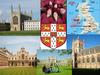




Cambridge University
1.
CAMBRIDGEUNIVERSITY
Prepared by: Balazian Loren Alanovna
Faculty of Foreign Languages
Profile: English Language
King’s College Chapel from the Backs
Cambridge University | 1
2.
Cambridge at a glanceA historic university with a modern global role
KEY FACTS
1209
31
150+
year of foundation
colleges forming the
student communities
faculties, departments and
institutions
The University of Cambridge is a collegiate research university in
Cambridge, England. It is known for a rare combination of
medieval heritage, rigorous teaching, and internationally
influential research.
• formal name: University of Cambridge
• mission: education, learning and research
• students belong to both a university and a college
Trinity College, Great Court
Cambridge University | 2
Sources: University of Cambridge, “Cambridge at a glance”; “Colleges and Departments”.
3.
From medieval scholars to a global universityCambridge’s identity grew from a
self-governing community of learning
TIMELINE
1209
1284
Scholars settled in
Cambridge and formed the
beginning of the university.
Peterhouse became the first
Cambridge college, starting
a long collegiate tradition.
Today
The ancient university
remains a centre of
research, teaching and
cultural influence.
Cambridge’s history is visible in its courts, chapels, libraries and
ceremonies, but its work is directed toward current research and
future knowledge.
Interior of King’s College Chapel
Cambridge University | 3
Sources: University of Cambridge, “History”; Encyclopaedia Britannica.
4.
The collegiate systemA large university experienced through smaller academic communities
HOW IT WORKS
Students are members of the University and of a
College. Colleges provide accommodation, community,
welfare and academic support.
• College life: rooms, dining halls, societies, pastoral care
• University life: lectures, laboratories, departments, degrees
• Result: personal support within a world-class institution
This structure is one of Cambridge’s strongest educational
traditions because it gives students both independence and
close academic contact.
The River Cam and college buildings
Cambridge University | 4
Sources: University of Cambridge, “College A-Z”; “How the University and Colleges work”.
5.
Learning through discussionSupervisions turn study into active argument, analysis and feedback
TEACHING MODEL
Supervision
A small-group teaching session where students discuss
essays, texts, problems or research ideas with an
academic specialist.
• preparation before the meeting
• close feedback on thinking and writing
• focus on independent analysis
The system is demanding, but it helps students learn how to
defend an idea clearly and respond to criticism.
A Cambridge college library reading room
Cambridge University | 5
Sources: University of Cambridge, “Our education vision”; “Colleges and Departments”.
6.
Research with worldwide impactCambridge discoveries have changed science, medicine and public knowledge
SCIENTIFIC LEGACY
The discovery of DNA’s structure is one of Cambridge’s most
famous research milestones. It opened new paths in genetics,
medicine and molecular biology.
126
Nobel Prize laureates among
Cambridge alumni and affiliates
The university’s research culture links laboratories, libraries, museums,
collections and international partnerships.
DNA double helix plaque in Cambridge
Cambridge University | 6
Sources: University of Cambridge, “Nobel Prize”; “Discovering the secret of life”.
7.
Heritage shapes student lifeArchitecture, collections and traditions create a living academic environment
Libraries, colleges and chapels form the Cambridge landscape
STUDENT EXPERIENCE
Students encounter learning not only in classrooms, but also in
libraries, courts, chapels, museums, choirs, sports clubs and
college societies.
Cambridge University | 7
• formal halls and college traditions
• research collections and museums
• riverside life on the River Cam
Sources: University of Cambridge, “About the University”; University of Cambridge Museums.
8.
Why Cambridge mattersIts value is not only prestige, but contribution to society
MISSION
“Education, learning and research”
The university states that its mission is to contribute to society
through education, learning and research at the highest
international levels of excellence.
• knowledge becomes public value
• graduates work in many fields
• research responds to global problems
Trinity College, Great Court
Cambridge University | 8
Cambridge therefore represents a model of higher education
where tradition and innovation need to work together.
Source: University of Cambridge, “Mission and core values”.
9.
Glossary highlightsKey terms used in the report and presentation
VOCABULARY
collegiate university
university made up of colleges
research
systematic search for new knowledge
college
student community with support and
traditions
heritage
valuable traditions and cultural
memory
supervision
small-group Cambridge teaching
session
alumnus / alumna
former student of a university
faculty
academic division for a subject area
academic excellence
very high standards in study and
research
The full glossary is placed as Appendix 1 in the Word report.
Cambridge University | 9
10.
ConclusionCambridge combines tradition, community and knowledge
Cambridge University is important because it shows how an
ancient institution can remain active in modern education
and research.
• founded in 1209
• built around 31 colleges
• known for supervisions and independent thinking
• associated with major discoveries and global influence
MAIN SOURCES
University of Cambridge: History; Cambridge at a glance; Mission and core values; College A-Z;
Nobel Prize; Discovering the secret of life.
King’s College Chapel from the Backs
Cambridge University | 10