
 Медицина
Похожие презентации:



Efficiency of the new FarGALS preparation in treating festering-necrotic skin and mucosal lesions
1. Efficiency of the new home-developed preparation FarGALS when treating patients with festering-necrotic processes on the skin
FarGALSEfficiency of the new home-developed
preparation FarGALS when treating
patients with festering-necrotic
processes on the skin and mucous
membranes
2.
ФарГАЛСFarGALS
FarGALS
Topicality of the problem
• Treatment of festering wounds and mucous membranes
represents one of the most burning problems in modern
medicine.
• The problem’s spectrum covers almost all fields of public health.
• A persistently growing resistance of microflora to modern
antibiotics and antiseptic preparations.
• The need of prolonged treatment with a high rate of
unsatisfactory results.
• Economic expenditure.
That’s why the search of novel, more efficient antimicrobial
preparations and approaches to their application seems quite
topical.
3.
ФарГАЛСFarGALS
Information about the preparation FarGALS
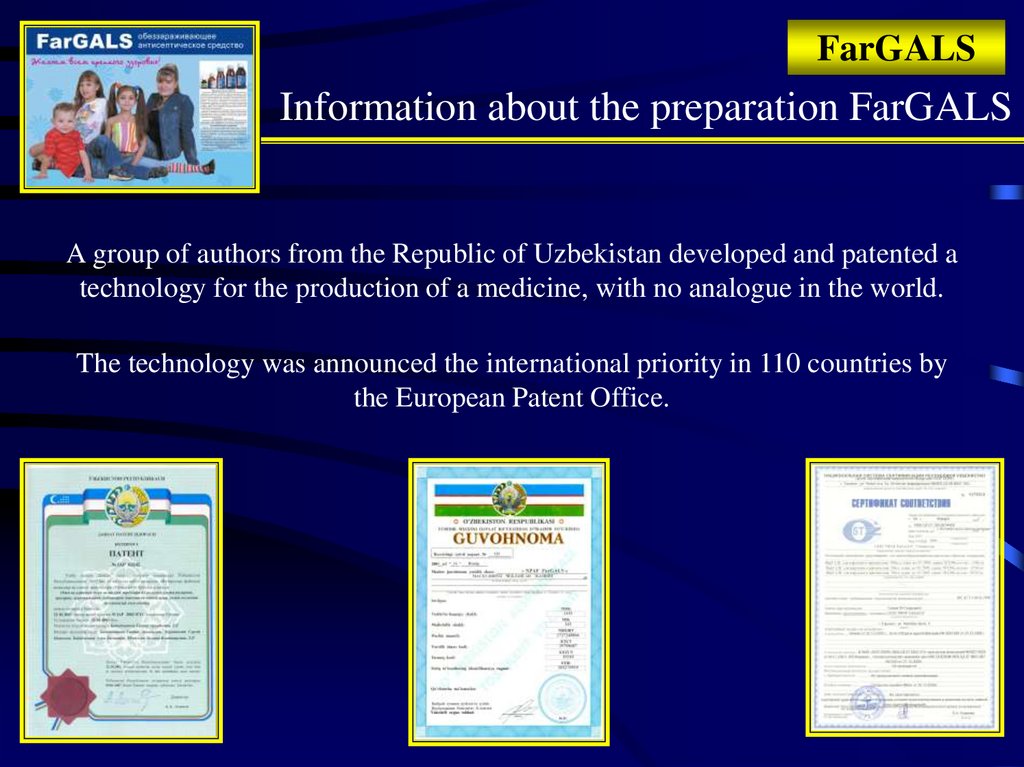
A group of authors from the Republic of Uzbekistan developed and patented a
technology for the production of a medicine, with no analogue in the world.
The technology was announced the international priority in 110 countries by
the European Patent Office.
4.
ФарГАЛСFarGALS
Composition:
The preparation is an aqueous extract from the
medium of cultivated iron-oxygenating
autotrophic bacteria.
5.
ФарГАЛСFarGALS
Properties:
By its pharmaceutical characteristics, the preparation is classified as an antiseptic and
wound-healing preparation.
FarGALS enjoys a broad spectrum of antimicrobial effect: it is active in respect of
Gram-positive and Gram-negative, aerobic and anaerobic, sporogenic and nonsporogenic bacteria: (Escherichia coli, Staphylocoсcus aureus, Pseudomonas
aeruginosa, Bacillus subtilis, Clostridium perfringens, Citrobacter freundii,
Enterobacter agglomerans, Serratia marcescens, Morganella morganii, Acinetobacter
calcoaceticus, Bacteroides fragilis, Salmonella typhi murium, Salmonella typhi,
Shigella sonnei, Proteus mirabilis and the like , Candida-type fungi, as well as
Helicobacter pylori)
FarGALS facilitates the improvement of vascularization processes in ischemic areas.
FarGALS has a wound-healing and anti-inflammatory effect. In addition, the
laboratory of the National Collection of Bacteria and Agents for I-II Infection Groups
studied the effect of the preparation FarGALS on the representatives of Vibrio
cholerae, Iersinia pestis, Brucella abortus bovis, Bacillus anthracis cultures and
revealed its pathogenic effect on these cultures.
6.
ФарГАЛСFarGALS
Areas of application:
• Surgery
• Gynecology
• Proctology
• Dermatology
• Combustiology
• Otorhinolaryngology
• Stomatology
7.
ФарГАЛСFarGALS
Indications for application:
• In surgery: treatment of purulent and inflammatory diseases of
soft tissues, postoperative and burn-related wounds, trophic
ulcers and bedsores.
• In gynecology: treatment of cervix erosion, cervicitis, colpitis
and vulvovaginitis of the bacterial and mycotic etiology.
• In proctology: proctitis, hemorrhoids.
• In stomatology: treatment of purulent stomatitis, gingivitis etc.
• In otorhinolaryngology: treatment of rhinitis, tonsillitis and
otitis.
• In dermatology: treatment of cutaneous leishmaniosis in the
sharp-sphacelating form at different stages.
8.
ФарГАЛСFarGALS
Investigation of efficiency
The investigation was carried on the basis of the
following medical centers and clinics:
1. Republican Center for Purulent Surgery and Surgical
Complications of Diabetes.
2. Republican Specialized Center for Surgery named after
Academician V. Vakhidov.
3. Department of obstetrics and gynecology at the TashGosMI
polyclinic.
4. Surkhandarya Province Dermato-Venerologic Clinic.
9.
ФарГАЛСFarGALS
Aims of investigation:
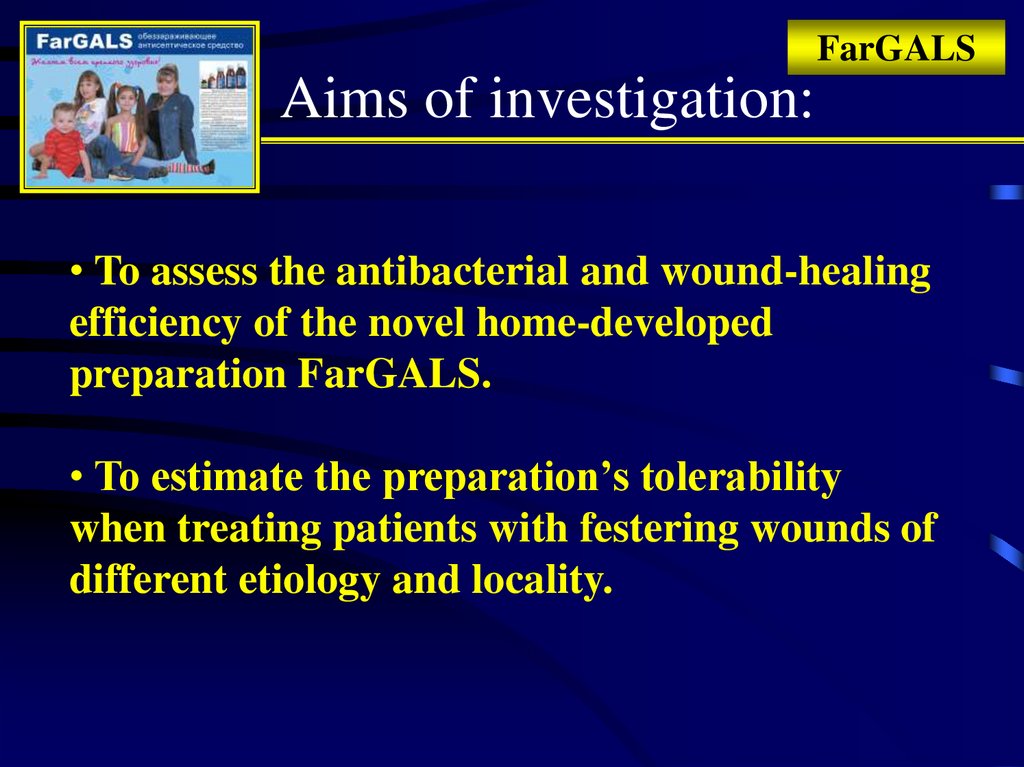
• To assess the antibacterial and wound-healing
efficiency of the novel home-developed
preparation FarGALS.
• To estimate the preparation’s tolerability
when treating patients with festering wounds of
different etiology and locality.
10.
ФарГАЛСFarGALS
Investigation of efficiency
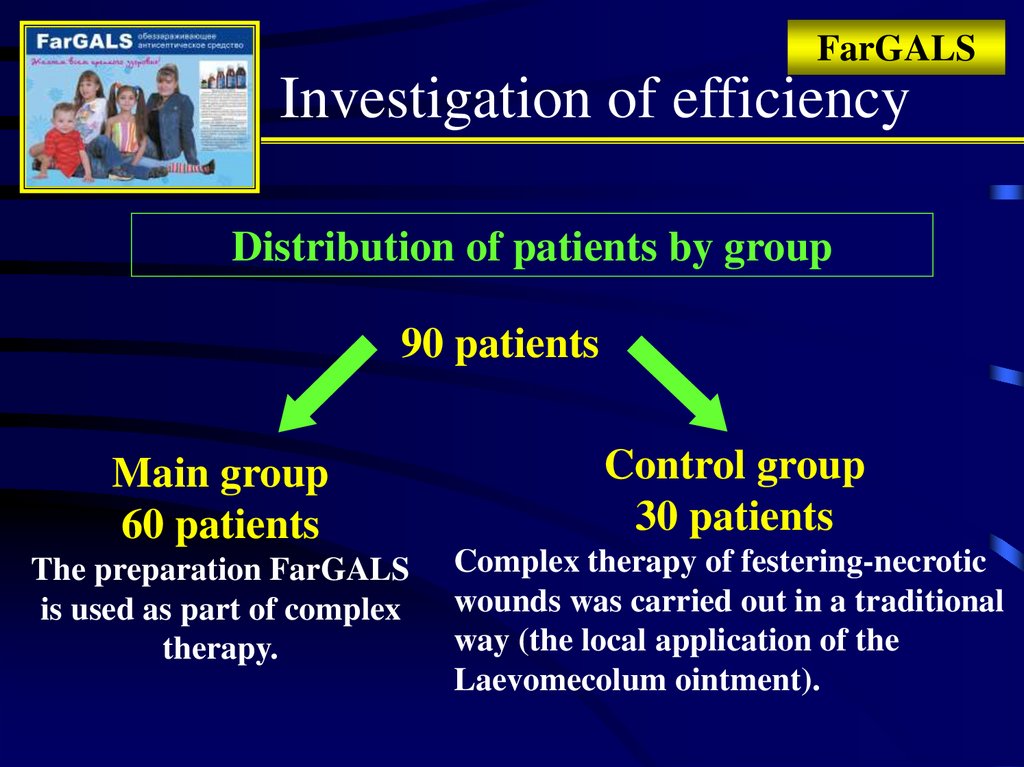
Distribution of patients by group
90 patients
Main group
60 patients
Control group
30 patients
The preparation FarGALS
is used as part of complex
therapy.
Complex therapy of festering-necrotic
wounds was carried out in a traditional
way (the local application of the
Laevomecolum ointment).
11.
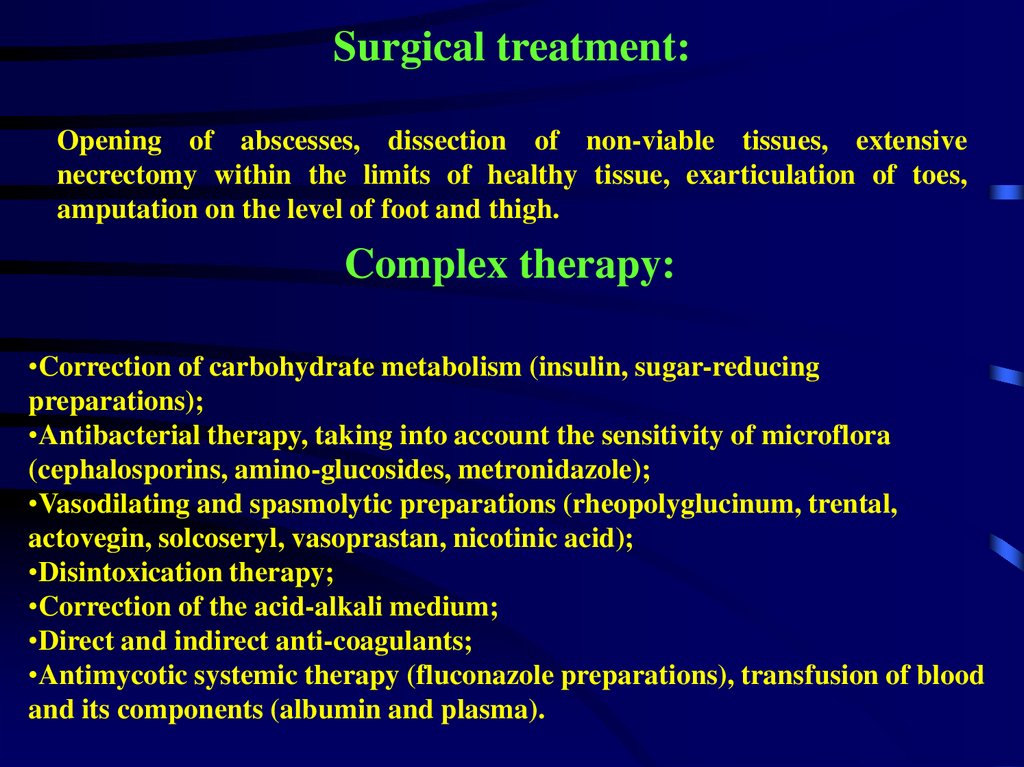
Surgical treatment:Opening of abscesses, dissection of non-viable tissues, extensive
necrectomy within the limits of healthy tissue, exarticulation of toes,
amputation on the level of foot and thigh.
Complex therapy:
•Correction of carbohydrate metabolism (insulin, sugar-reducing
preparations);
•Antibacterial therapy, taking into account the sensitivity of microflora
(cephalosporins, amino-glucosides, metronidazole);
•Vasodilating and spasmolytic preparations (rheopolyglucinum, trental,
actovegin, solcoseryl, vasoprastan, nicotinic acid);
•Disintoxication therapy;
•Correction of the acid-alkali medium;
•Direct and indirect anti-coagulants;
•Antimycotic systemic therapy (fluconazole preparations), transfusion of blood
and its components (albumin and plasma).
12.
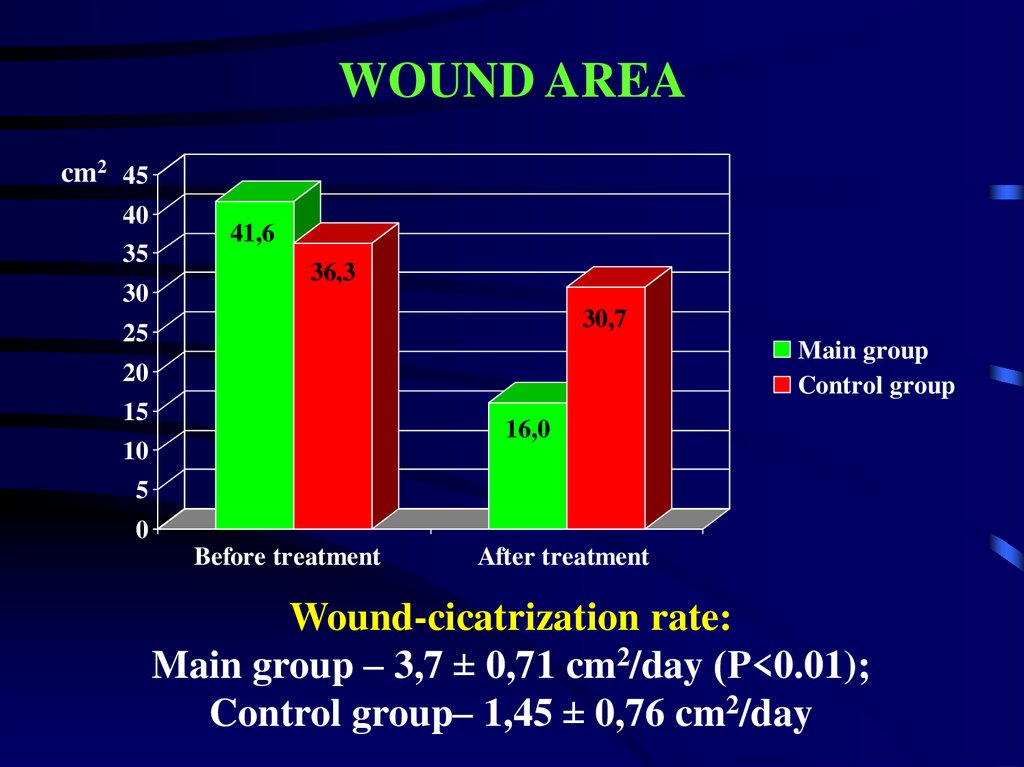
WOUND AREAcm2 45
40
35
30
41,6
36,3
30,7
25
Main group
Control group
20
15
10
16,0
5
0
Before treatment
After treatment
Wound-cicatrization rate:
Main group – 3,7 ± 0,71 cm2/day (Р<0.01);
Control group– 1,45 ± 0,76 cm2/day
13.
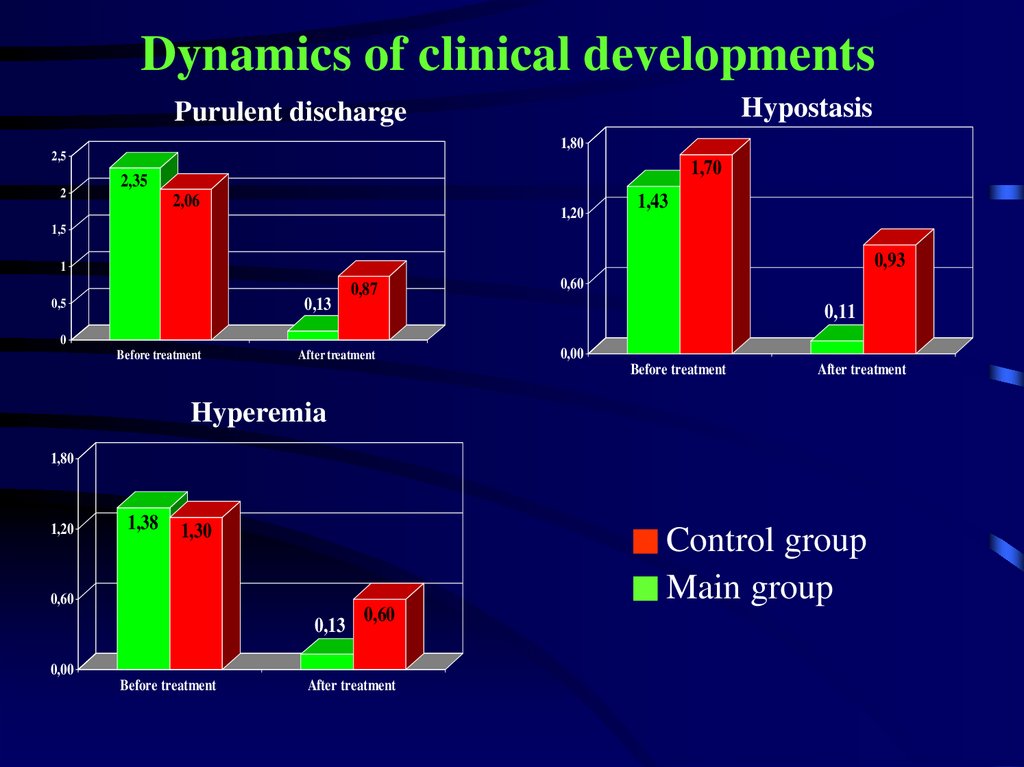
Dynamics of clinical developmentsHypostasis
Purulent discharge
1,80
2,5
2
1,70
2,35
2,06
1,20
1,43
1,5
0,93
1
0,13
0,5
0,87
0,60
0,11
0
Before treatment
After treatment
0,00
Before treatment
After treatment
Hyperemia
1,80
1,20
1,38
1,30
Control group
Main group
0,60
0,13
0,60
0,00
Before treatment
After treatment
14.
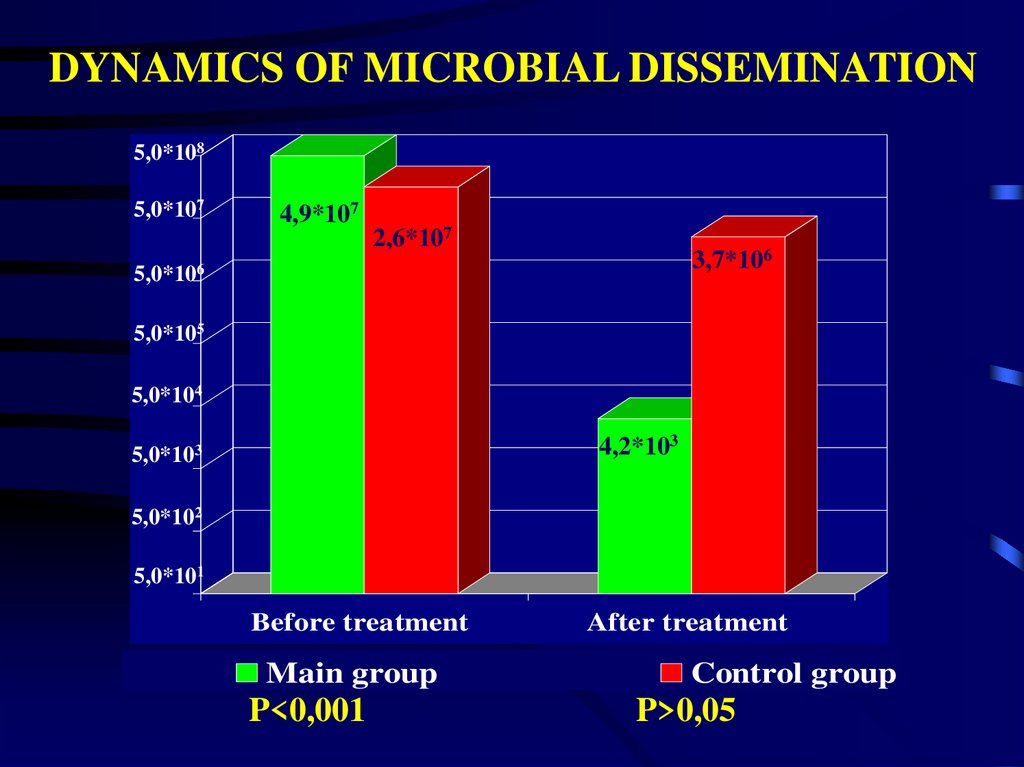
DYNAMICS OF MICROBIAL DISSEMINATION5,0*10
7,00 8
7
5,0*10
6,00
4,9*107
2,6*107
3,7*106
5,0*106
5,00
5,0*105
4,00
5,0*104
3,00
4,2*103
5,0*103
2,00
5,0*102
1,00
5,0*101
0,00
Before treatment
Main group
P<0,001
After treatment
Control group
P>0,05
15.
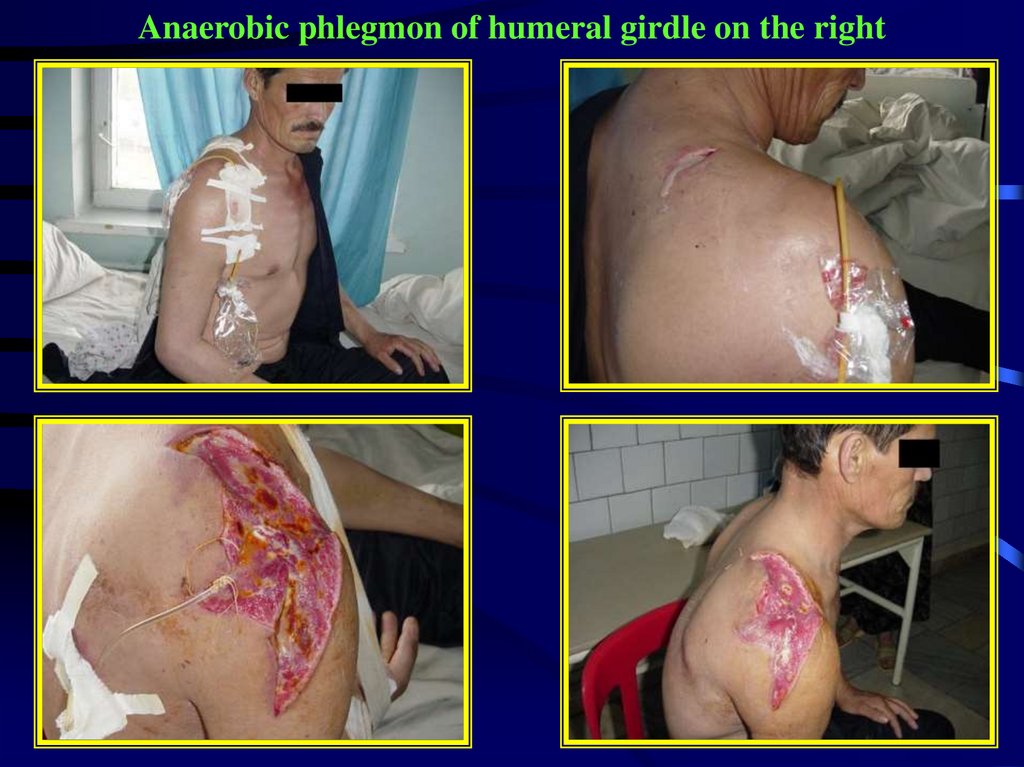
Anaerobic phlegmon of humeral girdle on the right16.
17.
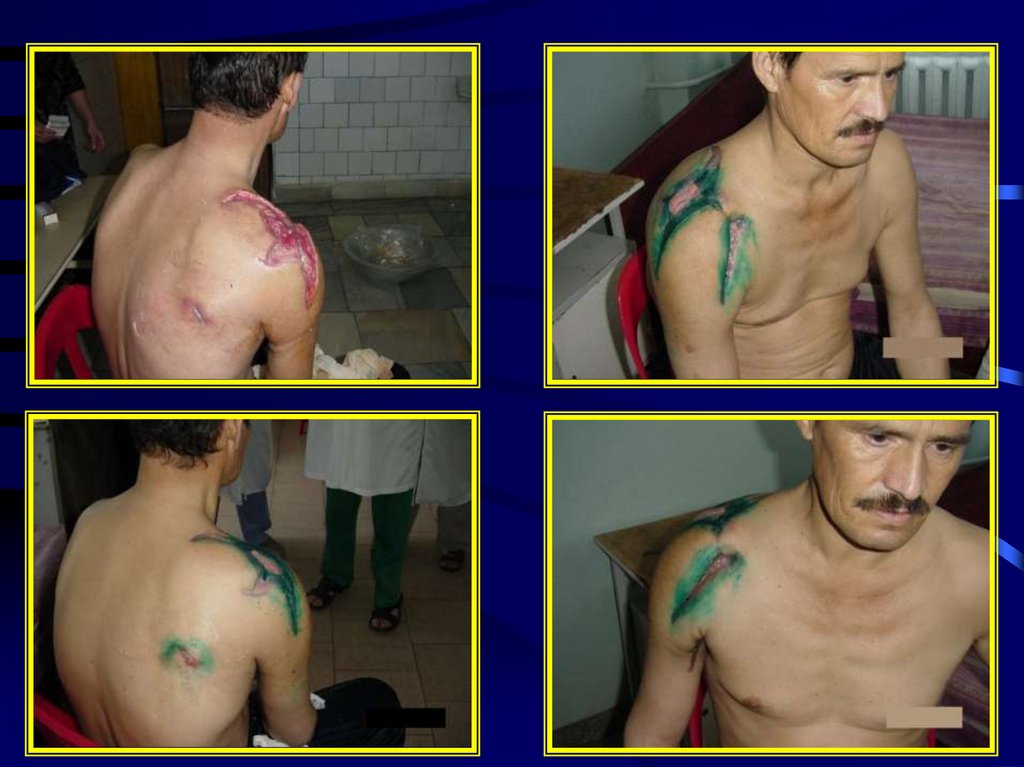
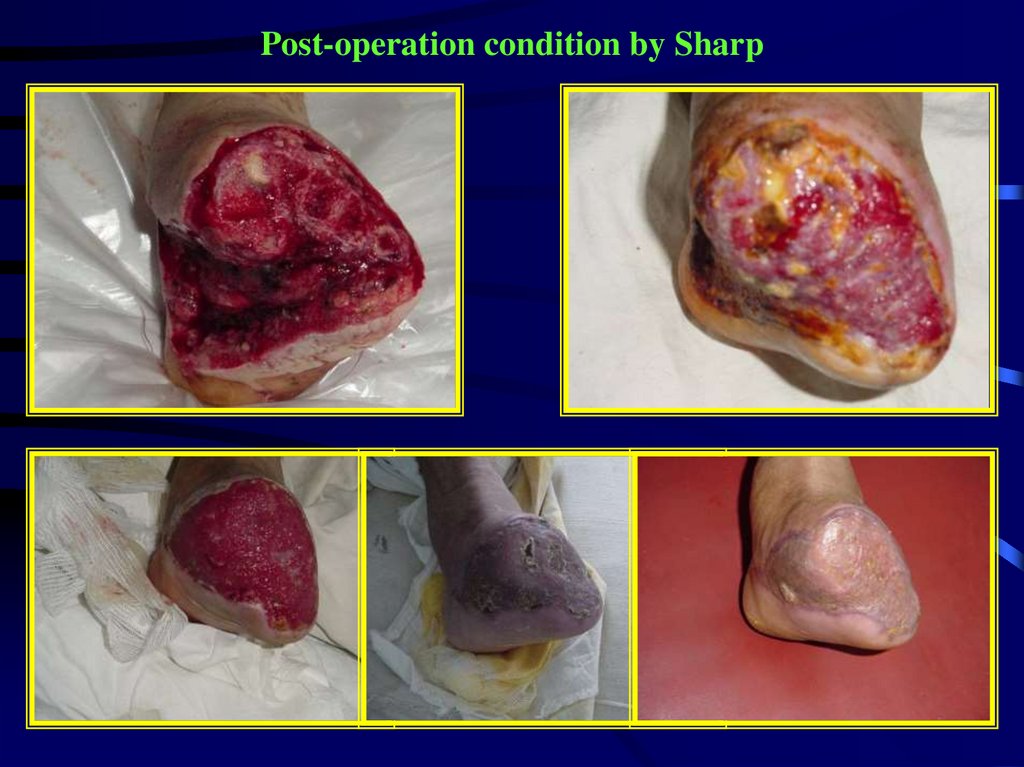
Post-operation condition by Sharp18.
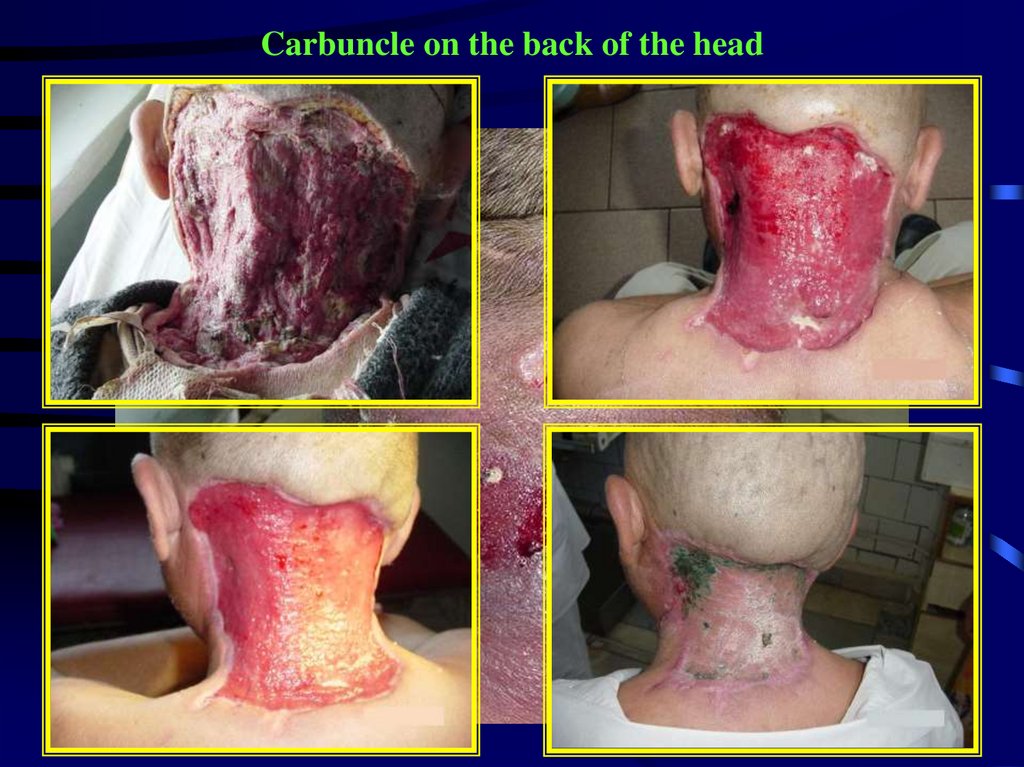
Carbuncle on the back of the head19.
ФарГАЛСFarGALS
Investigation of efficiency
CONCLUSIONS
1.
2.
3.
4.
5.
The preparation FarGALS has a broad spectrum of antimicrobial effect in
respect of aerobic and anaerobic bacteria and Candida-type fungi, and
can therefore be used as an antimicrobial agent outwardly to treat
festering-necrotic wounds.
The preparation FarGALS has a pronounced necrolytic effect,
accelerating the cleaning of festering wounds and emergence of
granulation tissues.
The preparation FarGALS has a proved wound-healing activity.
Comparison of results by wound-healing duration showed that in patients
treated with this preparation the wounds closed up 7-8 days earlier than in
those, whose wounds were treated in a traditional way.
The preparation FarGALS has a pronounced local anti-inflammatory effect.
As compared with conventional treatment, the preparation FarGALS
positively better diminishes the dissemination of a wound, ensuring a
higher rate of its cicatrization, as well as positively better reduces the
intensity of purulent discharge from a wound, its puffiness and hyperemia.
20.
ФарГАЛСFarGALS
Investigation of efficiency
GYNECOLOGY
Type of trial:
Open, lengthwise trial involving 2 parallel groups:
1st group (a 30-strong main group of patients, where the
preparation is used for local treatment);
2nd group (a 15-strong control group of patients, where
conventional traditional local treatment is used, including
antiseptics, ointments and vaginal pills).
Total number of patients – 45.
21.
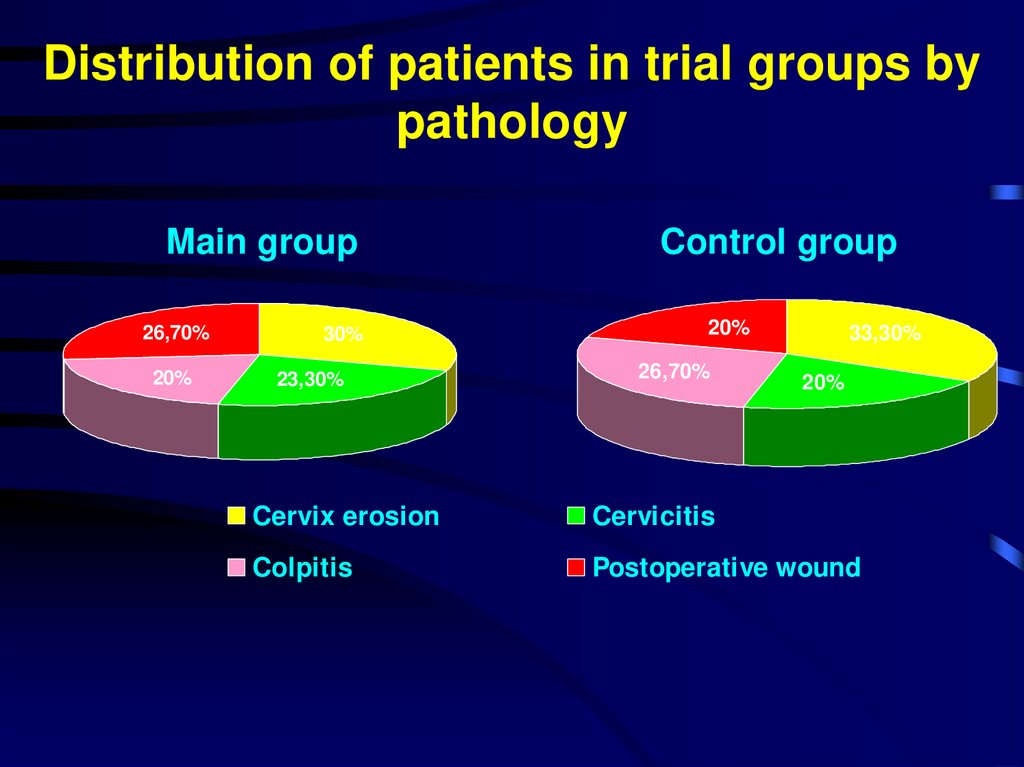
Distribution of patients in trial groups bypathology
Main group
26,70%
20%
30%
23,30%
Control group
20%
26,70%
33,30%
20%
Cervix erosion
Cervicitis
Colpitis
Postoperative wound
22.
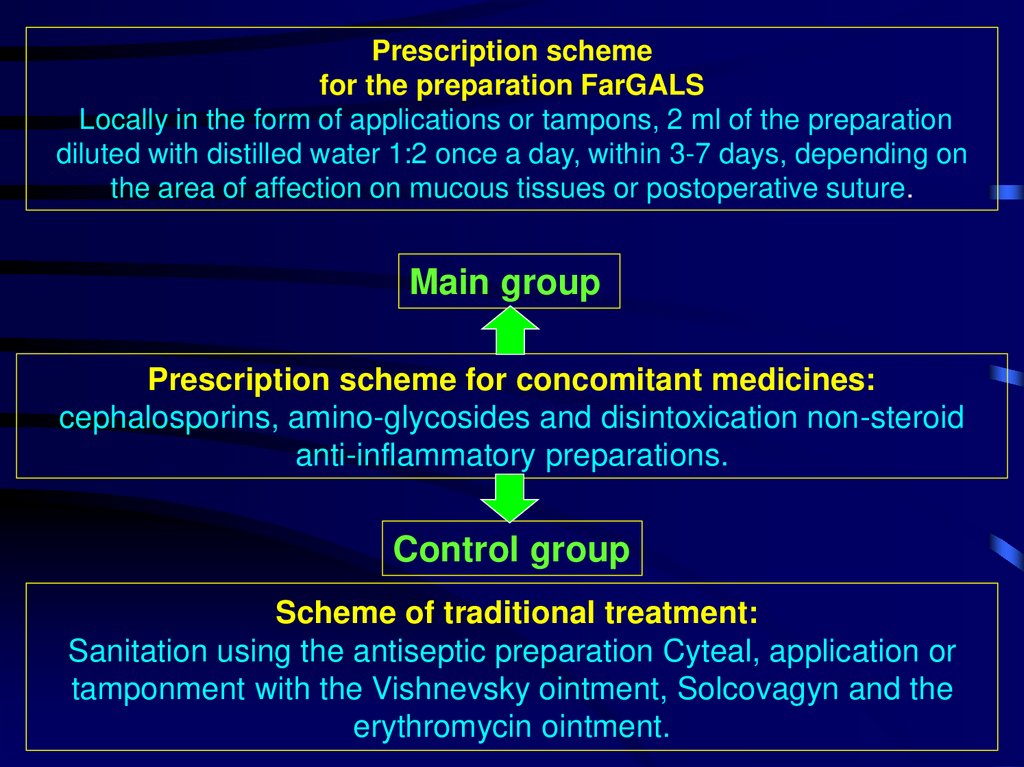
Prescription schemefor the preparation FarGALS
Locally in the form of applications or tampons, 2 ml of the preparation
diluted with distilled water 1:2 once a day, within 3-7 days, depending on
the area of affection on mucous tissues or postoperative suture.
Main group
Prescription scheme for concomitant medicines:
cephalosporins, amino-glycosides and disintoxication non-steroid
anti-inflammatory preparations.
Control group
Scheme of traditional treatment:
Sanitation using the antiseptic preparation Cyteal, application or
tamponment with the Vishnevsky ointment, Solcovagyn and the
erythromycin ointment.
23.
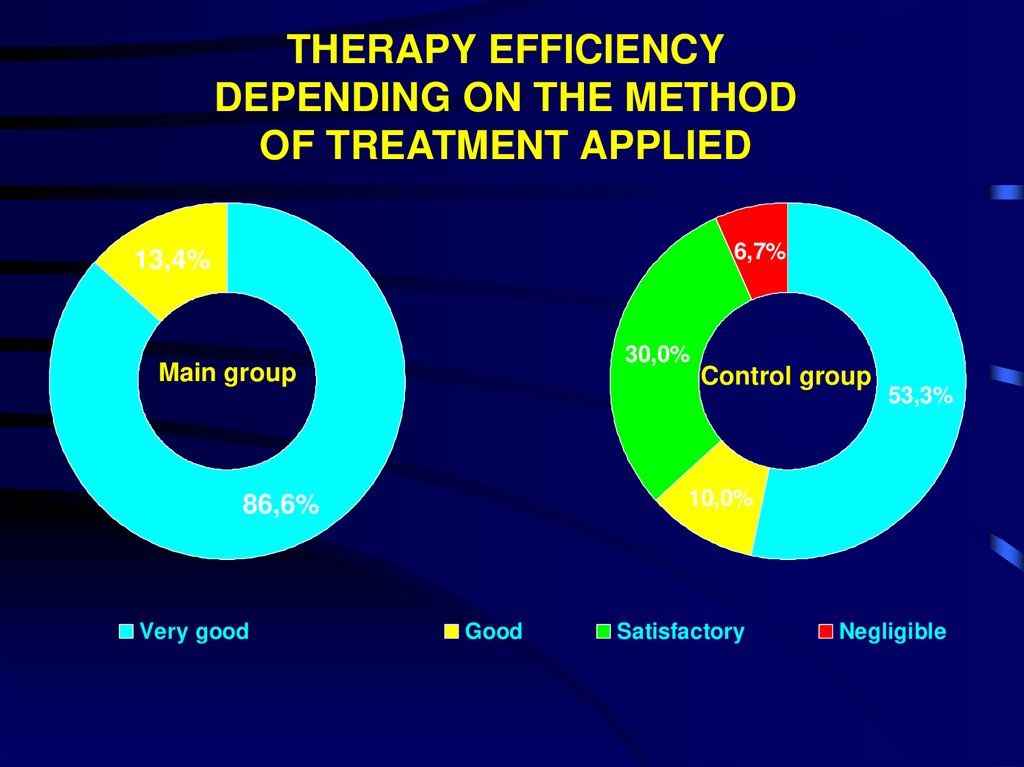
THERAPY EFFICIENCYDEPENDING ON THE METHOD
OF TREATMENT APPLIED
6,7%
13,4%
30,0%
Main group
53,3%
10,0%
86,6%
Very good
Control group
Good
Satisfactory
Negligible
24.
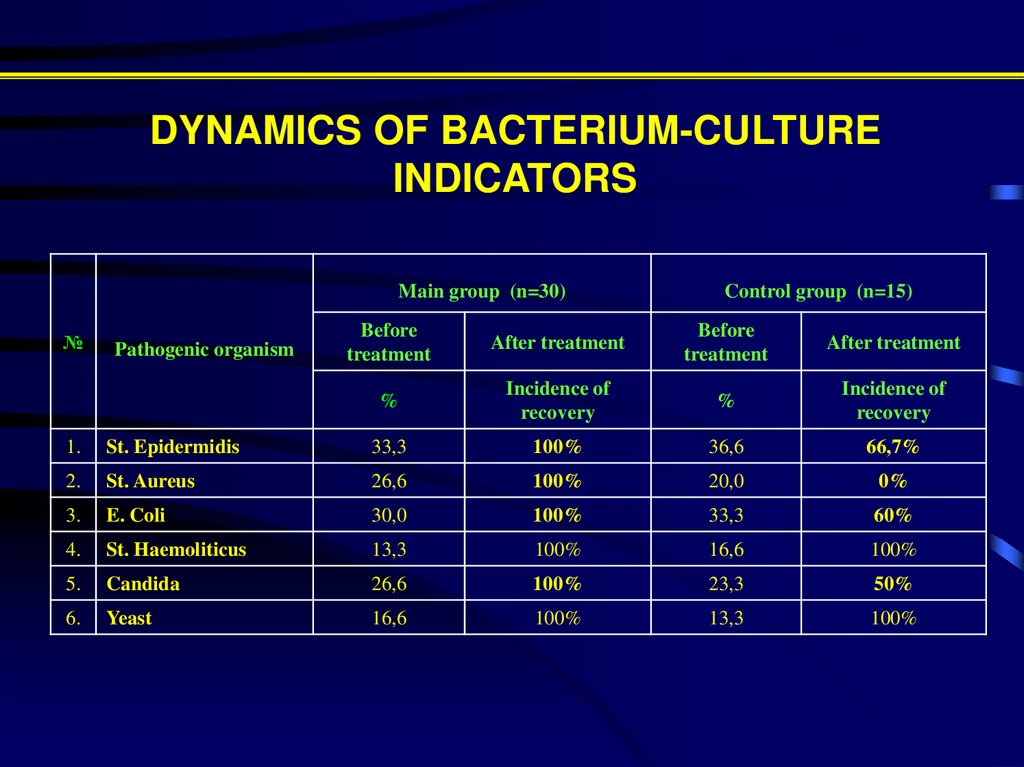
DYNAMICS OF BACTERIUM-CULTUREINDICATORS
Main group (n=30)
№
Pathogenic organism
Control group (n=15)
Before
treatment
After treatment
Before
treatment
After treatment
%
Incidence of
recovery
%
Incidence of
recovery
1.
St. Epidermidis
33,3
100%
36,6
66,7%
2.
St. Aureus
26,6
100%
20,0
0%
3.
E. Coli
30,0
100%
33,3
60%
4.
St. Haemoliticus
13,3
100%
16,6
100%
5.
Candida
26,6
100%
23,3
50%
6.
Yeast
16,6
100%
13,3
100%
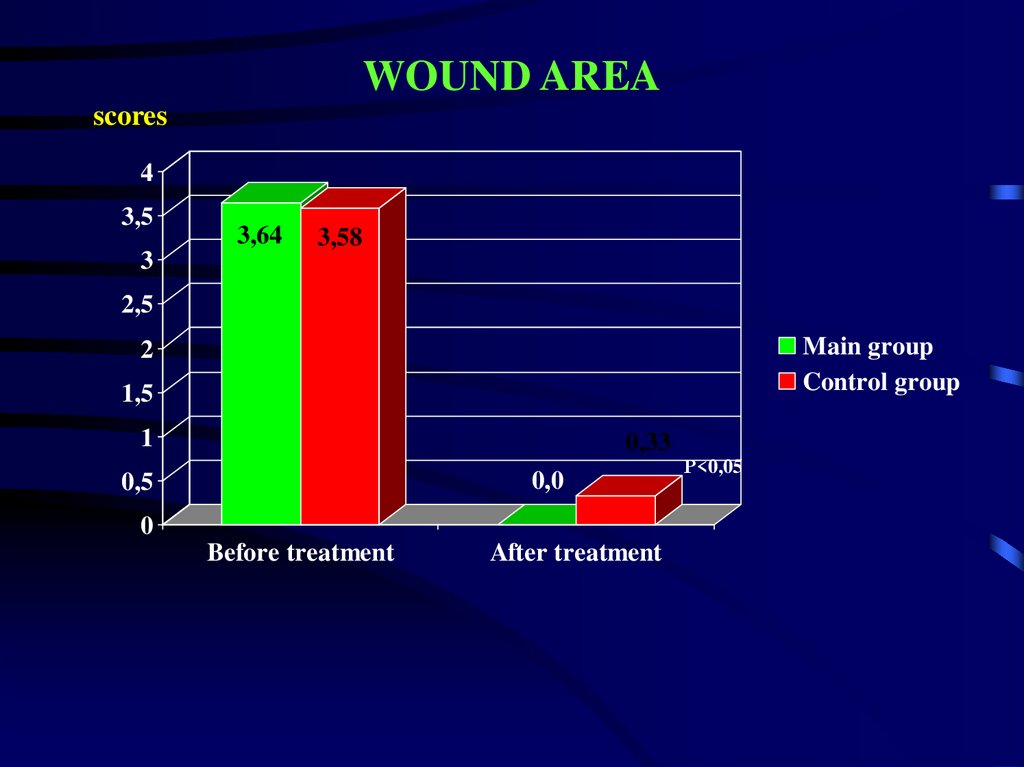
25.
WOUND AREAscores
4
3,5
3,64
3,58
3
2,5
Main group
Control group
2
1,5
1
0,33
0,0
0,5
0
Before treatment
After treatment
Р<0,05
26.
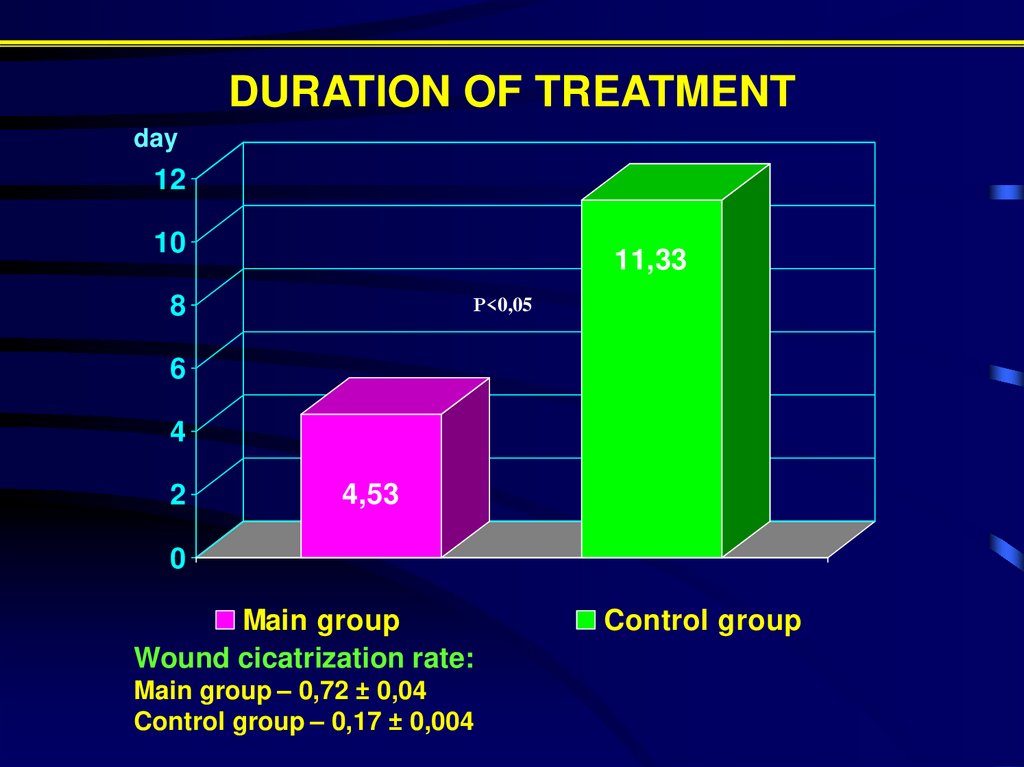
DURATION OF TREATMENTday
12
10
11,33
Р<0,05
8
6
4
2
4,53
0
Main group
Wound cicatrization rate:
Main group – 0,72 ± 0,04
Control group – 0,17 ± 0,004
Control group
27.
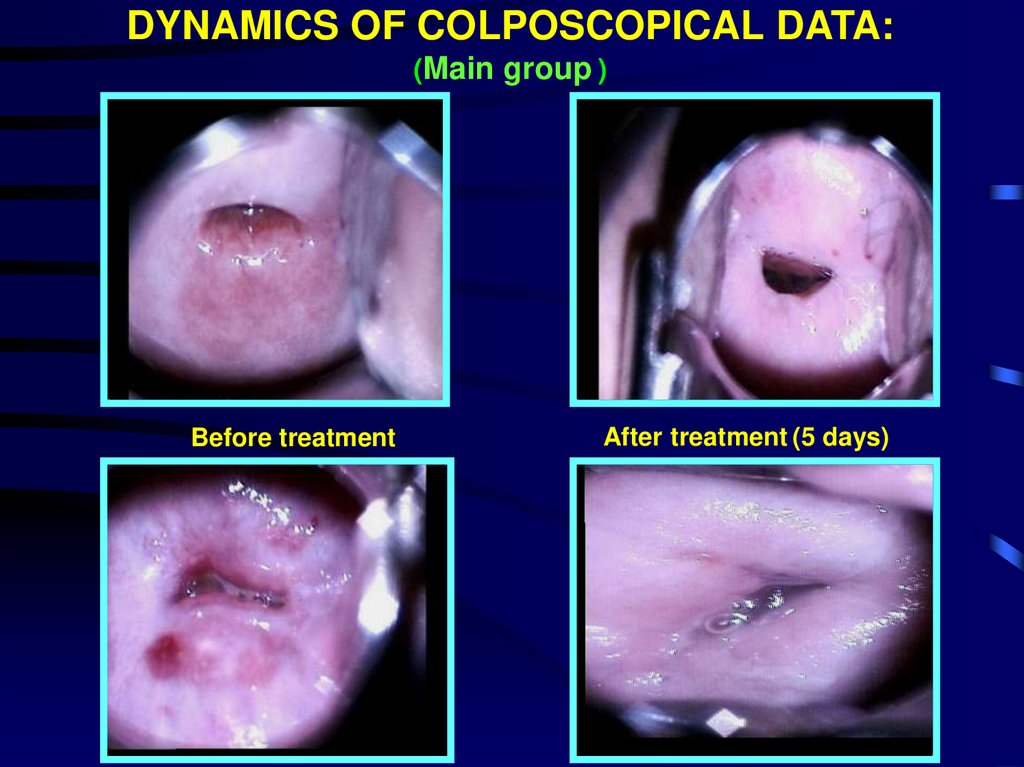
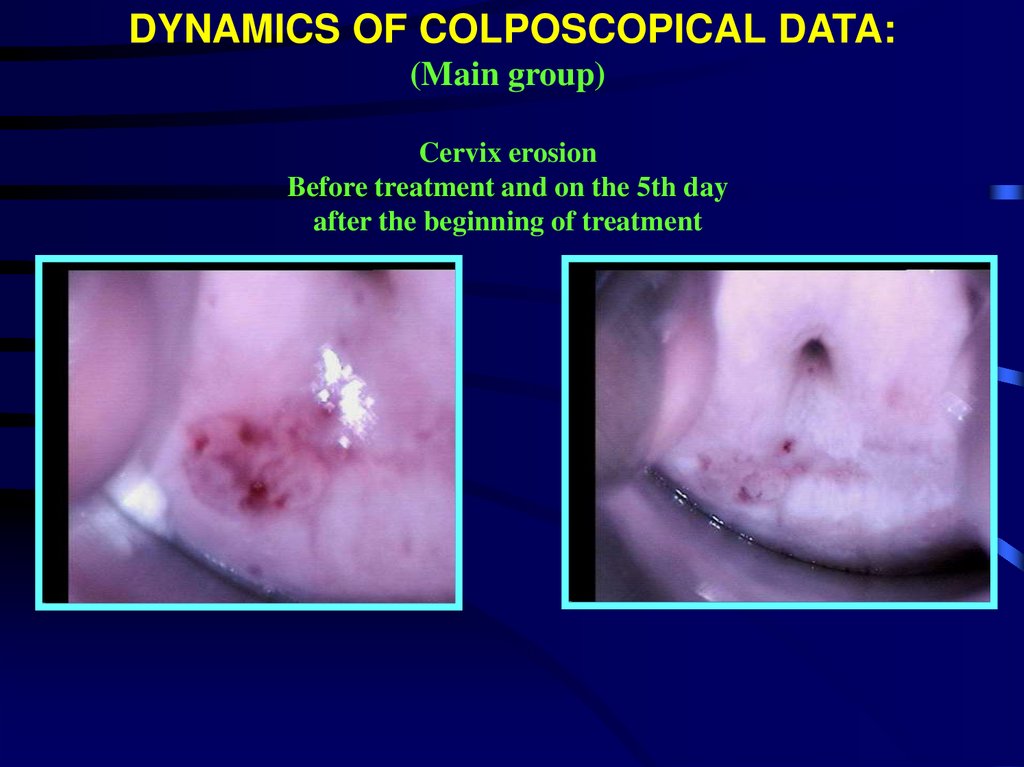
DYNAMICS OF COLPOSCOPICAL DATA:(Main group )
Before treatment
After treatment (5 days)
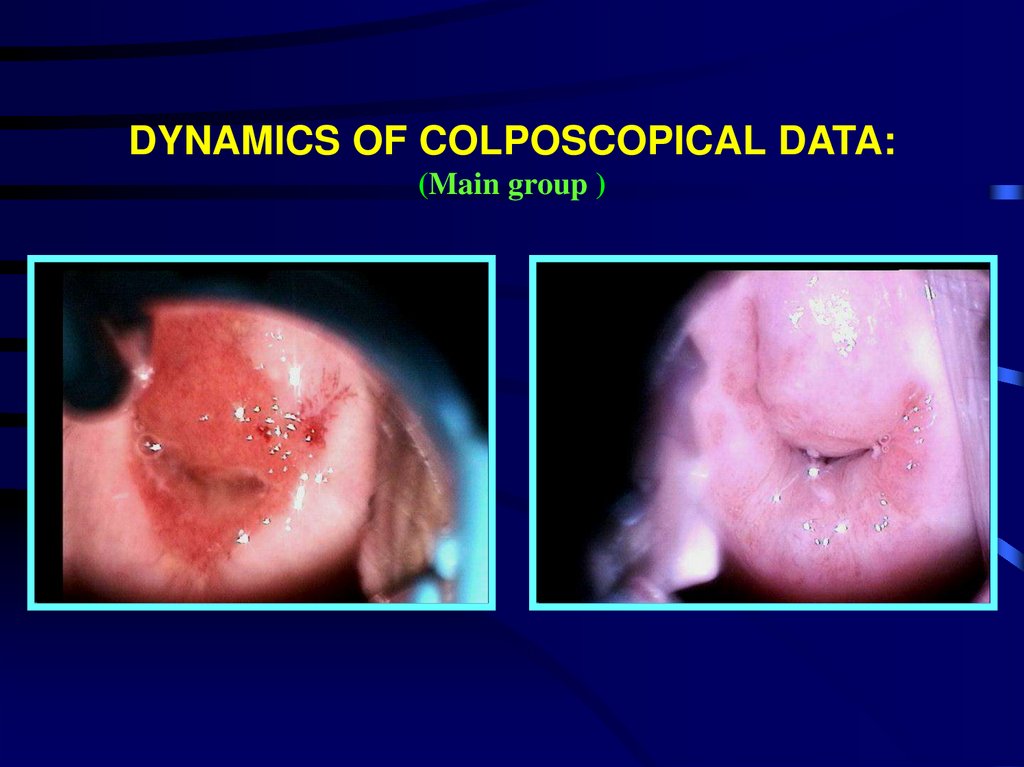
28. DYNAMICS OF COLPOSCOPICAL DATA: (Main group )
29. DYNAMICS OF COLPOSCOPICAL DATA: (Main group) Cervix erosion Before treatment and on the 5th day after the beginning of
treatment30.
ФарГАЛСFarGALS
Investigation of efficiency
CONCLUSIONS
•The preparation FarGALS has a broad spectrum of antimicrobial effect, covering
Gram-positive and Gram-negative, aerobic and anaerobic, sporogenic and nonsporogenic bacteria, as well as Candida-type fungi, that’s why a given preparation can
be used as an antimicrobial agent when treating and preventing purulent-inflammatory
processes.
•The preparation FarGALS accelerates the cicatrization of postoperative wounds and
enjoys a good local anti-inflammatory effect and wound-cicatrization activity.
Comparison of the results by wound-cicatrization rate showed that in patients with
purulent-inflammatory processes treated with the preparation FarGALS, wounds
closed up 6-8 days earlier than in those, whose purulent-inflammatory processes were
treated conventionally.
•The results of clinical trial of the preparation FarGALS showed that antimicrobial
therapy with the local application of a given preparation had a positive effect on the
majority of patients suffering from inflammatory diseases in cervix and vagina. At the
same time, a high antimicrobial, anesthetic and regenerative effect was recorded, with
the duration of treatment being shortened and the bacterial smear indicators being
improved.
31.
ФарГАЛСFarGALS
Method of application:
• Locally 2-4 times a day in the form of
applications
• On the skin: in the native form or diluted
1:1
• On the mucous membranes: diluted with
boiled water 1:1 or 1:2
32.
ФарГАЛСFarGALS
Special instructions:
Counter-indicators:
- individual intolerance of iron-based preparations
Side effects:
- the burning sensation in the place of application is possible.
33.
ФарГАЛСFarGALS
Investigation of efficiency
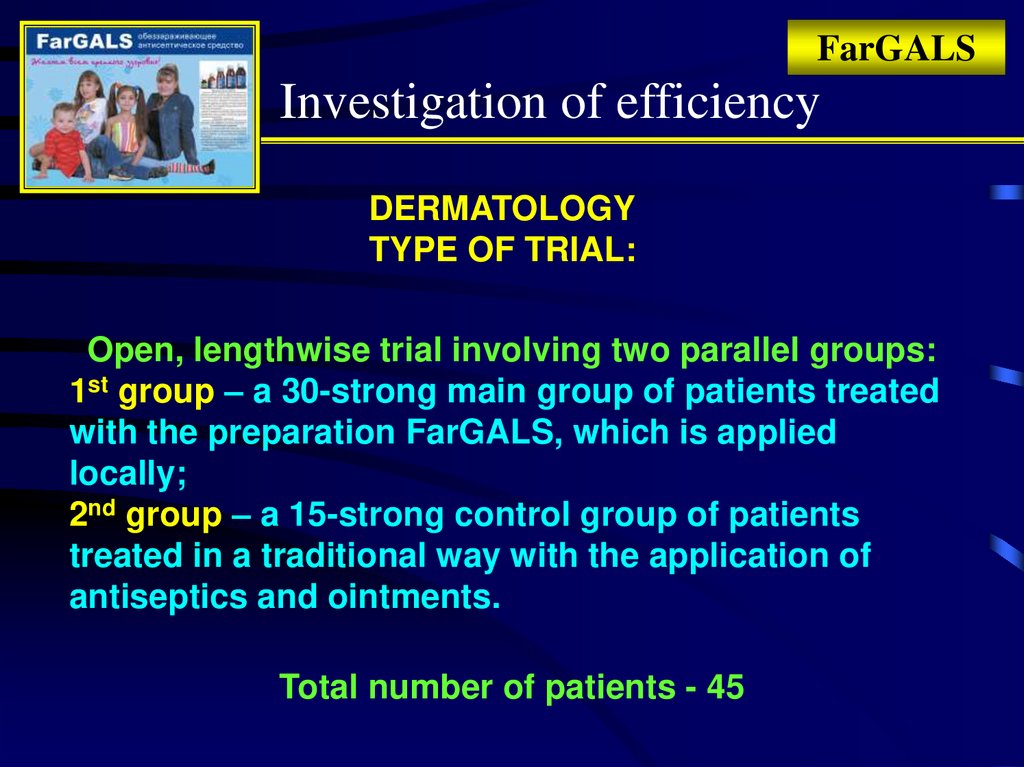
DERMATOLOGY
TYPE OF TRIAL:
Open, lengthwise trial involving two parallel groups:
1st group – a 30-strong main group of patients treated
with the preparation FarGALS, which is applied
locally;
2nd group – a 15-strong control group of patients
treated in a traditional way with the application of
antiseptics and ointments.
Total number of patients - 45
34. Clinical trial of the preparation FarGALS was carried out on the basis of the Surkhandarya Province Dermato-Venerologic Center
Head of trial:Deputy Director of the CPKOON of the Ministry of Health
(Republic of Uzbekistan)
for research and epidemiology issues, doctor of medical
sciences
A.N. Mustanov
Executives:
S. Kholmuradova, B.T. Shukurov.
35.
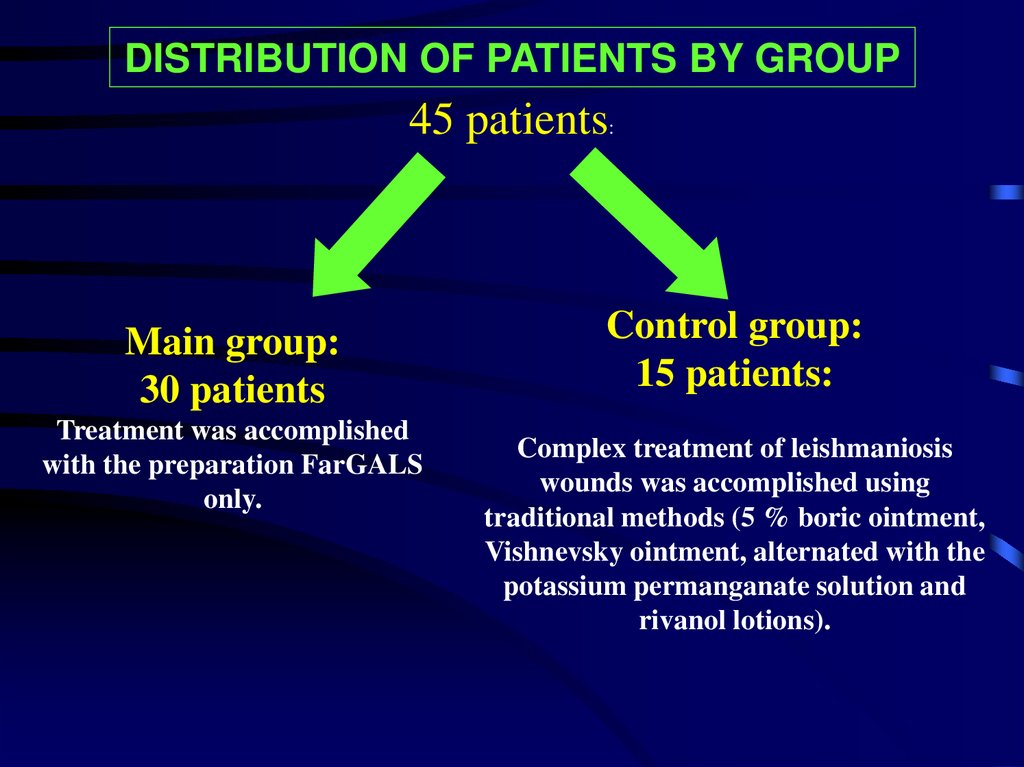
DISTRIBUTION OF PATIENTS BY GROUP45 patients:
Main group:
30 patients
Treatment was accomplished
with the preparation FarGALS
only.
Control group:
15 patients:
Complex treatment of leishmaniosis
wounds was accomplished using
traditional methods (5 % boric ointment,
Vishnevsky ointment, alternated with the
potassium permanganate solution and
rivanol lotions).
36.
Prescription scheme for the preparation FarGALS:Locally in the form of applications, diluted with distilled water 1:1
twice a day, within 10-12 days.
Main group
Control group
Scheme of conventional treatment:
Sanitation using the potassium permanganate solution, alternated
with the Vishnevsky ointment and 5% boric ointment.
37. Efficiency criteria for the preparation FarGALS
ФарГАЛСFarGALS
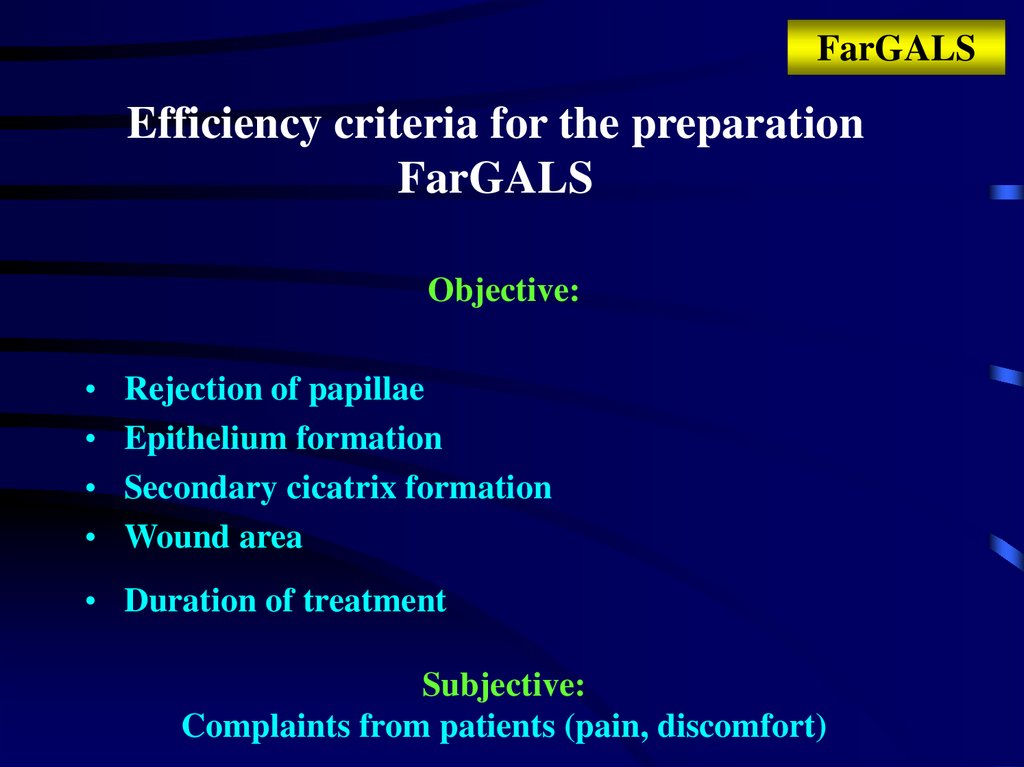
Efficiency criteria for the preparation
FarGALS
Objective:
Rejection of papillae
Epithelium formation
Secondary cicatrix formation
Wound area
• Duration of treatment
Subjective:
Complaints from patients (pain, discomfort)
38.
ФарГАЛСFarGALS
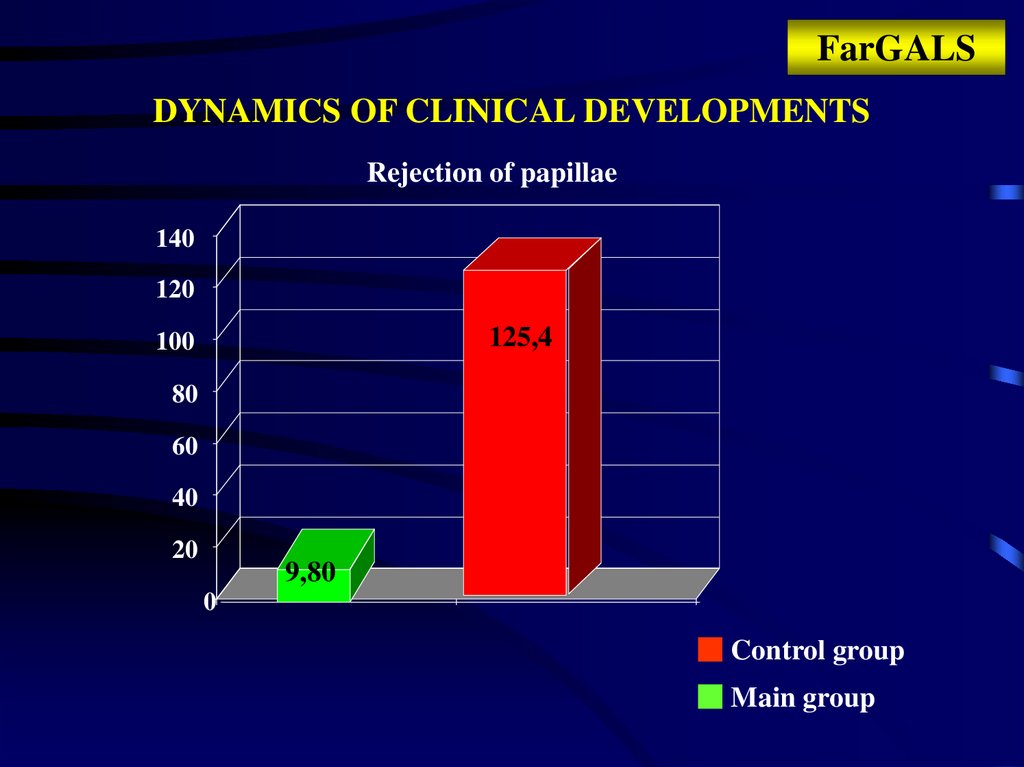
DYNAMICS OF CLINICAL DEVELOPMENTS
Rejection of papillae
140
120
125,4
100
80
60
40
20
9,80
0
Control group
Main group
39.
ФарГАЛСFarGALS
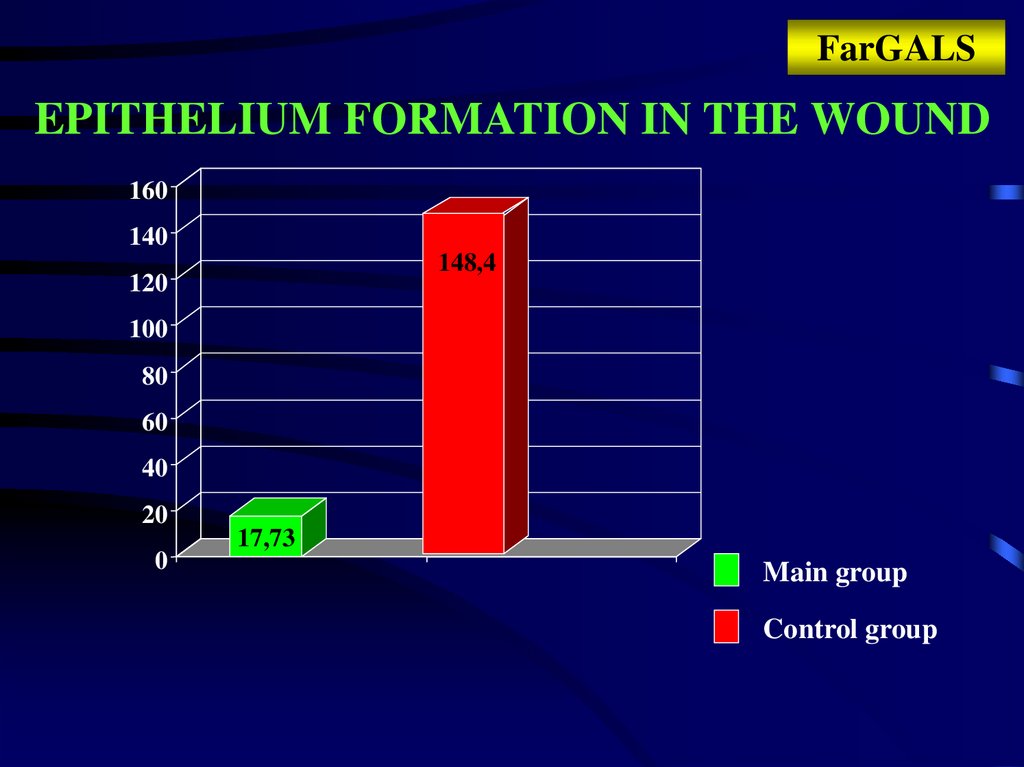
EPITHELIUM FORMATION IN THE WOUND
160
140
148,4
120
100
80
60
40
20
0
17,73
Main group
Control group
40.
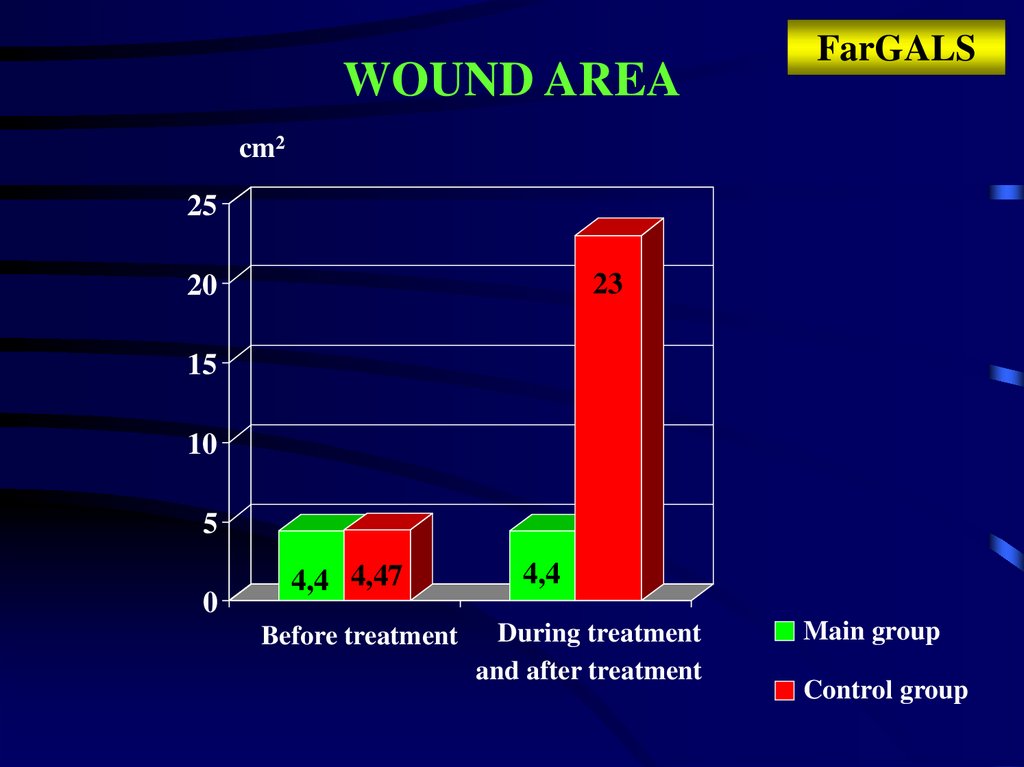
WOUND AREAФарГАЛС
FarGALS
cm2
25
23
20
15
10
5
0
4,4 4,47
Before treatment
4,4
During treatment
and after treatment
Main group
Control group
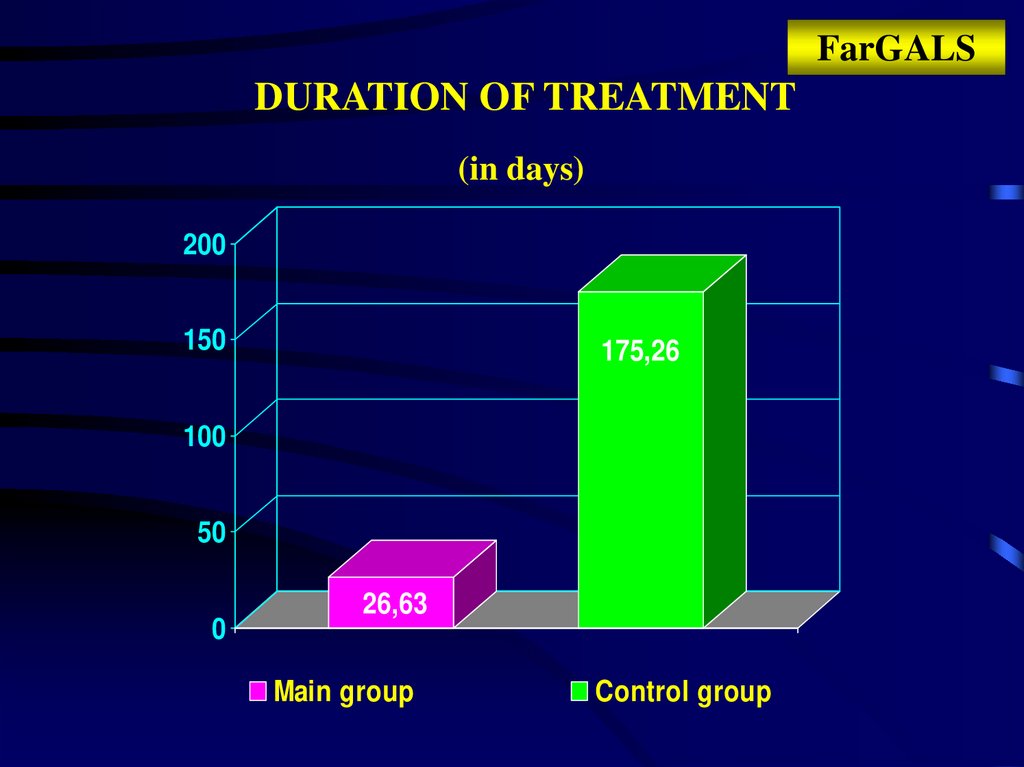
41. DURATION OF TREATMENT (in days)
ФарГАЛСFarGALS
DURATION OF TREATMENT
(in days)
200
150
175,26
100
50
0
26,63
Main group
Control group
42.
ФарГАЛСFarGALS
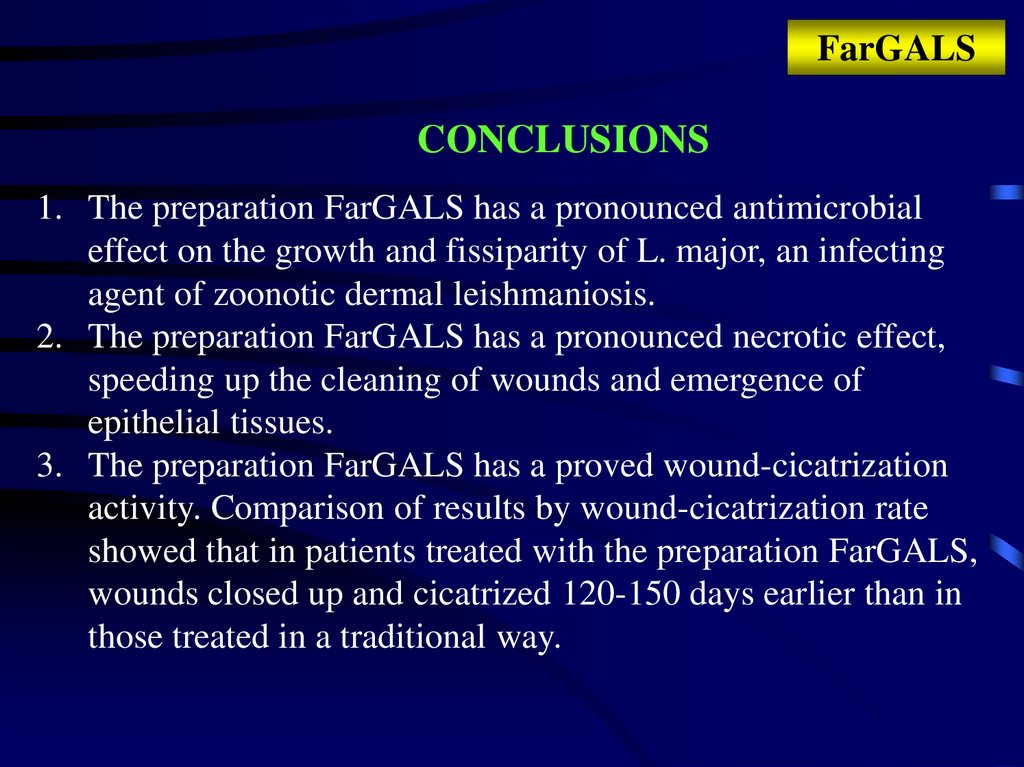
CONCLUSIONS
1. The preparation FarGALS has a pronounced antimicrobial
effect on the growth and fissiparity of L. major, an infecting
agent of zoonotic dermal leishmaniosis.
2. The preparation FarGALS has a pronounced necrotic effect,
speeding up the cleaning of wounds and emergence of
epithelial tissues.
3. The preparation FarGALS has a proved wound-cicatrization
activity. Comparison of results by wound-cicatrization rate
showed that in patients treated with the preparation FarGALS,
wounds closed up and cicatrized 120-150 days earlier than in
those treated in a traditional way.