


 Английский язык
Похожие презентации:





What Makes a Good Presentation?
1.
What Makes a GoodPresentation?
Module 1
Rano Neyaskulova
2.
3.
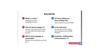
AgendaPresentation technique and
preparation
The audience
Structure (1): Introduction
4.
Presentationtechnique and
preparation
5.
Getting to Know Each Other1. Choose Interviewees
Select three classmates you’d like to interview.
2. Ask Thoughtful Questions
For each classmate, ask these three open-ended questions about presentations:
1. What makes a presentation memorable for you?
2. What’s one tip you would give to someone to help them feel less nervous when
speaking?
3. How do you decide what to include in your presentation visuals?
3. Take Notes
Write down key points from each person’s responses—just bullets or short phrases will
do.
6.
How To Improve YourPresentation Skills /
Brian Tracy
https://www.youtube.com/watch?v=N5t3NTix1hw
7.
Reasons for Giving Oral Presentations1.1 People are often asked to give oral presentations, not only in Higher
Education but also in the workplace. Why do you think this is? Discuss
your ideas with a partner or in small groups.
1.2 Are there any hidden benefits in learning to give oral presentations?
Again, discuss your ideas with a partner or in small groups.
8.
9.
10.
11.
12.
The Audience13.
14.
15.
One Topic – Different AudiencesStep 1. Choose a Simple Topic
Examples:
•The benefits of reading
•How to stay healthy
•Why teamwork is important
16.
Step 2. Assign Different AudiencesEach group or pair of students gets two different
audience types, for example:
• Primary school children
• University classmates
• Business professionals
• Parents
• International conference attendees
17.
Step 3. Plan the Mini-PresentationYou should spend 5 minutes to prepare a 30-second
version of the presentation for your chosen audiences.
(Two short presentations)
You should think about:
• Vocabulary (simple vs. advanced)
• Examples (child-friendly, academic, business-related, etc.)
• Tone (formal, informal, inspiring, funny)
18.
Step 5. Wrap-Up Reflection• What did you notice about changing style for different people?
• Why is it important to adapt to your audience?