 Английский язык
Похожие презентации:
Stress and Coping
1. Stress and Coping
2.
Definition of stressStress is a state of psychological
and physical arousal that comes
about as a result of a threat,
challenge or change in one’s
environment.
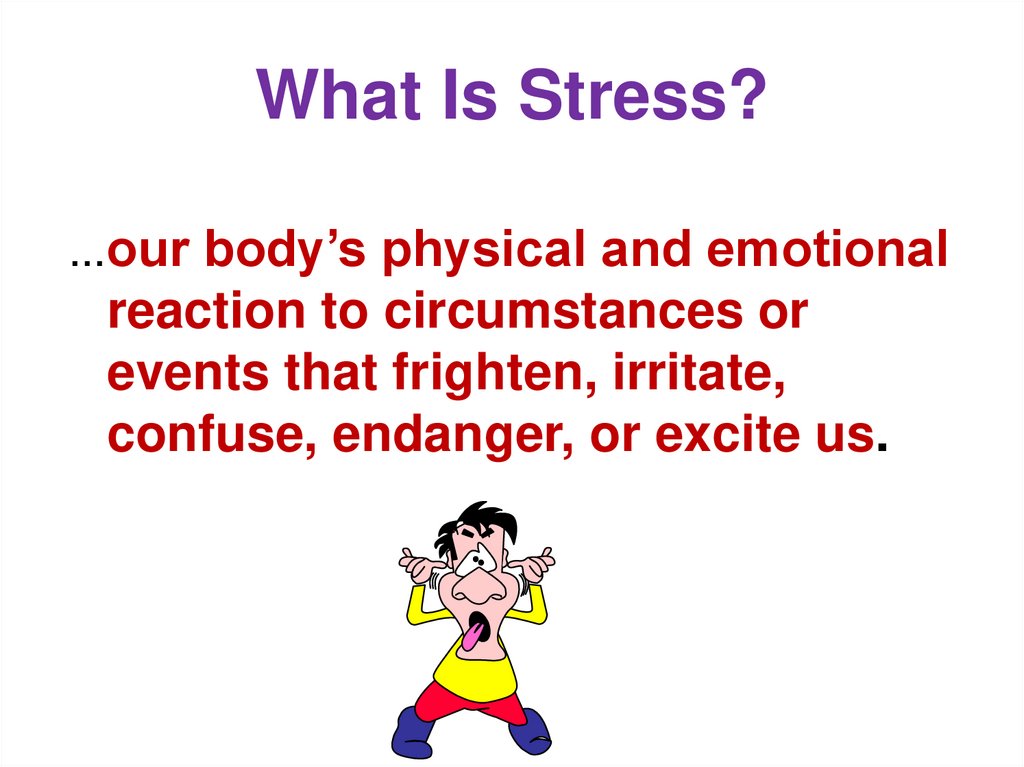
3. What Is Stress?
...our body’s physical and emotionalreaction to circumstances or
events that frighten, irritate,
confuse, endanger, or excite us.
4. What Causes Stress?
• People– Self expectations
– Impersonal barriers
– Conflicting desires
• Situations
– Expectations
– Time
– Lack of resources
– Lack of vision & goals
5. Environmental Stresses
• Here your environment may be a source ofunpleasant or distracting stimuli. These
can come from:
– Crowding and invasion of personal space
– Insufficient working and living space
– Noise
– Dirty or untidy conditions
– Pollution
– A badly organized or run down environment
6. Chemical & Nutritional Stresses
Chemical & NutritionalStresses
• Here the food you eat may contribute to the
stresses you experience.
– Caffeine:
– Bursts of sugar from sweets or chocolate: Too much
salt: This raises your blood pressure and puts your
body under chemical stress.
7. Important to remember
• Some stress can be avoided, but mostcannot. Instead we need to try to reduce it
and manage it.
• We manage stress healthily or unhealthily,
but can learn to detect the difference.
• Poorly managed stress is usually referred to
as “distress”.
• Alcohol drugs, overwork and putting pressure
on others are all examples of uneffective,
unhealthy stress management.
8. Five aspects of stress response
Physical our body reactionCognitive our effort to know and to understand
Emotional our feelings
Spiritual our beliefs and values
Behavioral our actions
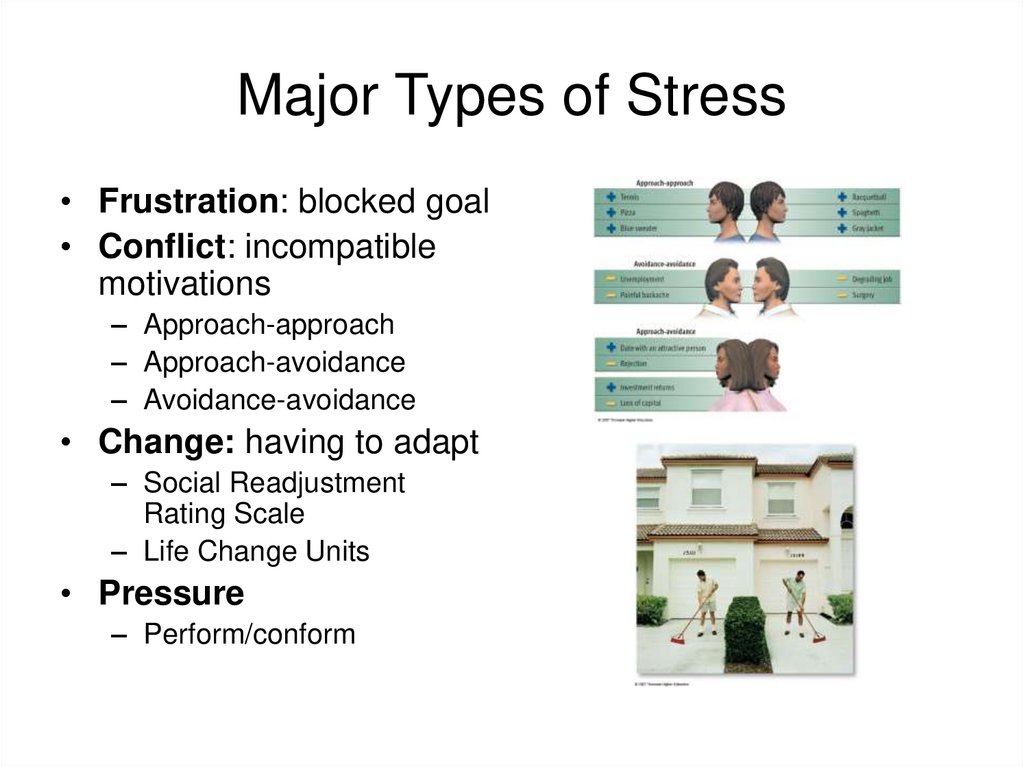
9. Major Types of Stress
• Frustration: blocked goal• Conflict: incompatible
motivations
– Approach-approach
– Approach-avoidance
– Avoidance-avoidance
• Change: having to adapt
– Social Readjustment
Rating Scale
– Life Change Units
• Pressure
– Perform/conform
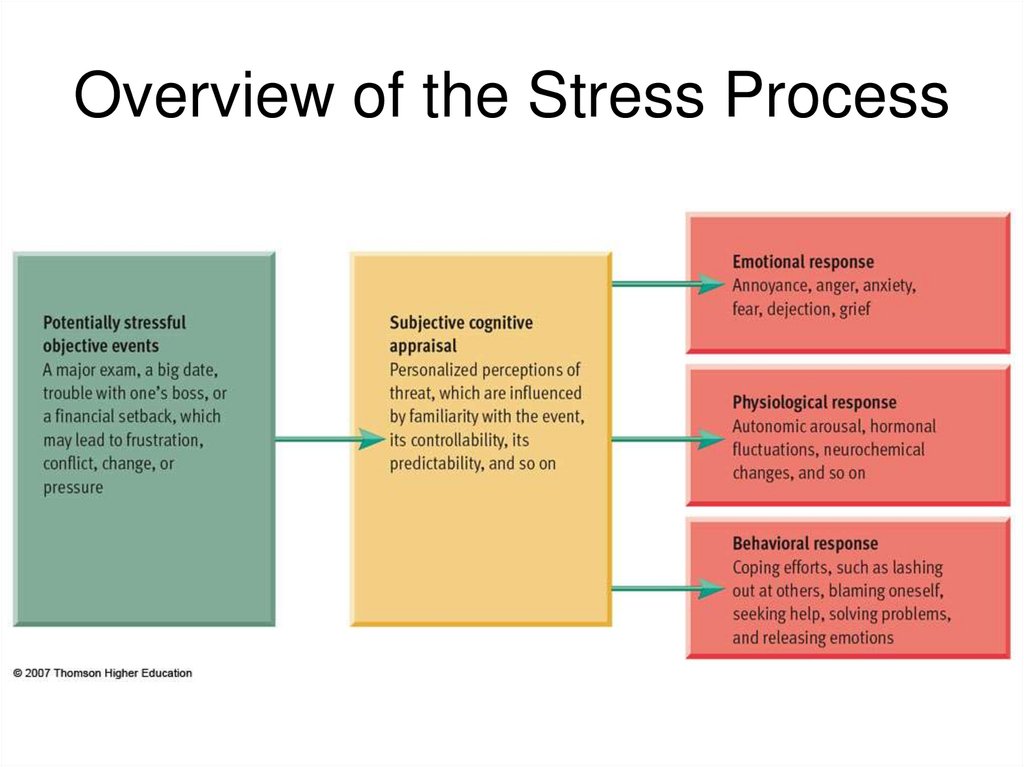
10. Overview of the Stress Process
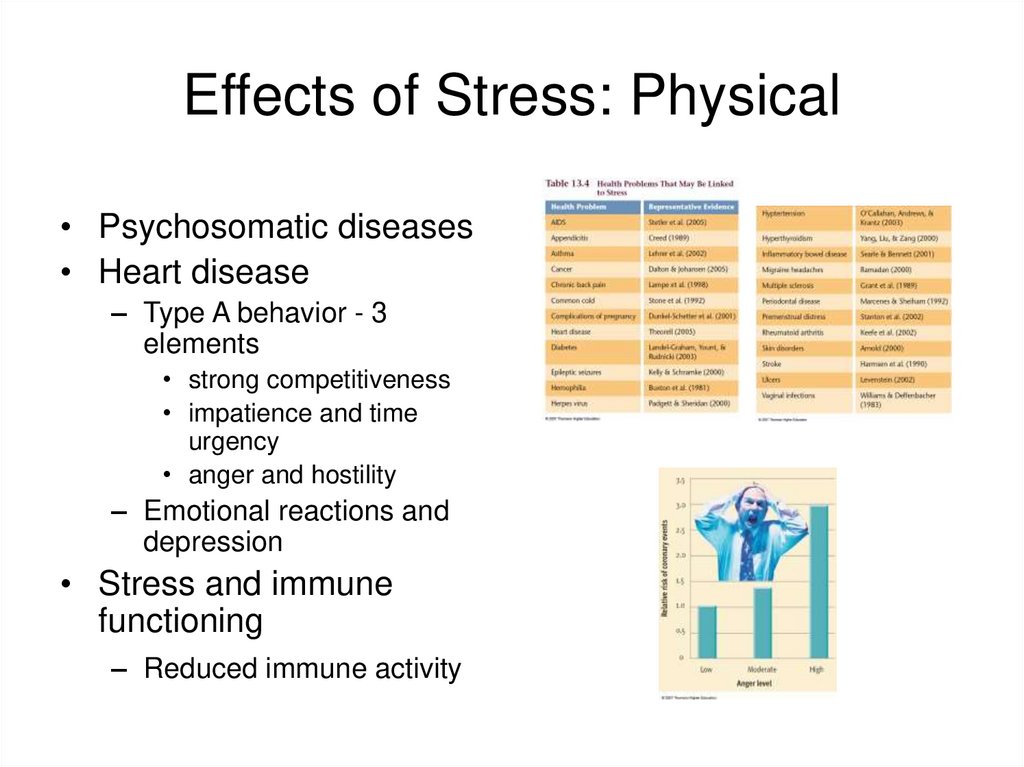
11. Effects of Stress: Physical
• Psychosomatic diseases• Heart disease
– Type A behavior - 3
elements
• strong competitiveness
• impatience and time
urgency
• anger and hostility
– Emotional reactions and
depression
• Stress and immune
functioning
– Reduced immune activity
12. Responding to Stress Physiologically
• Physiological Responses– Fight-or-flight response
– Selye’s General Adaptation Syndrome
• Alarm
• Resistance
• Exhaustion
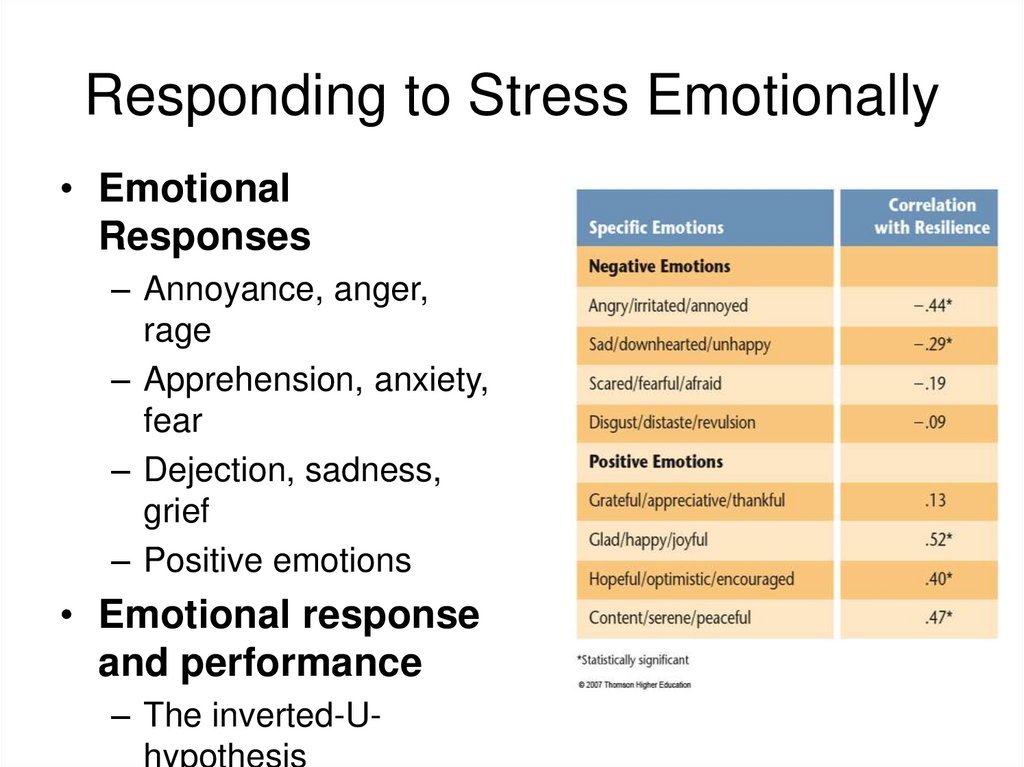
13. Responding to Stress Emotionally
• EmotionalResponses
– Annoyance, anger,
rage
– Apprehension, anxiety,
fear
– Dejection, sadness,
grief
– Positive emotions
• Emotional response
and performance
– The inverted-Uhypothesis
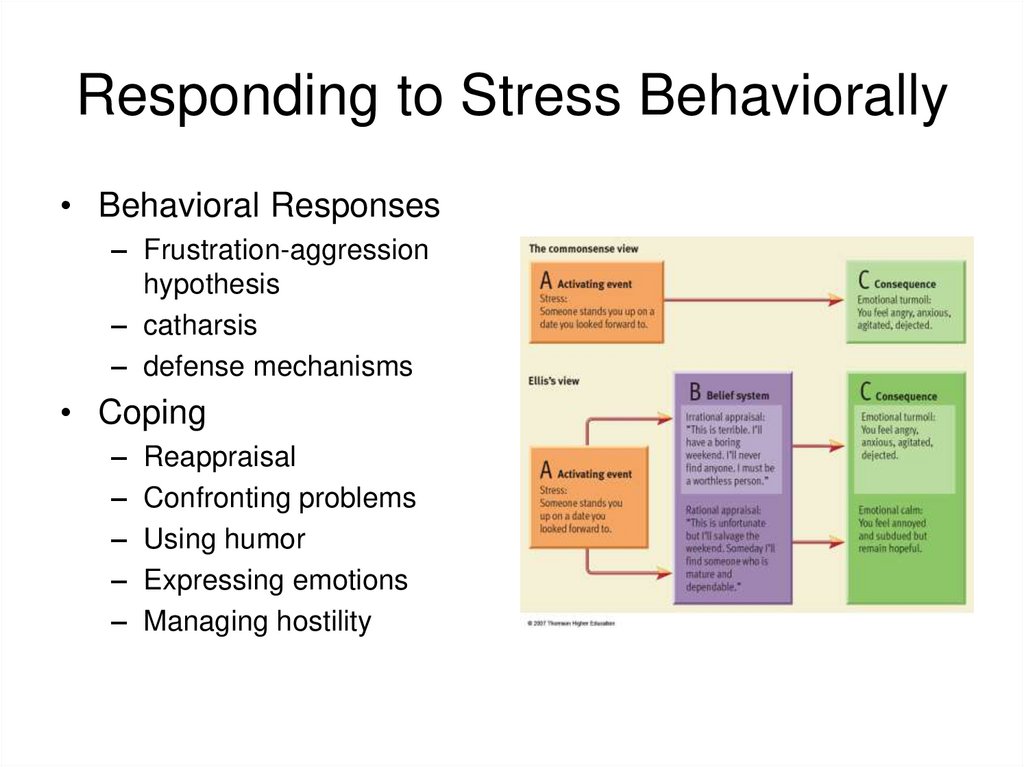
14. Responding to Stress Behaviorally
• Behavioral Responses– Frustration-aggression
hypothesis
– catharsis
– defense mechanisms
• Coping
– Reappraisal
– Confronting problems
– Using humor
– Expressing emotions
– Managing hostility
15.
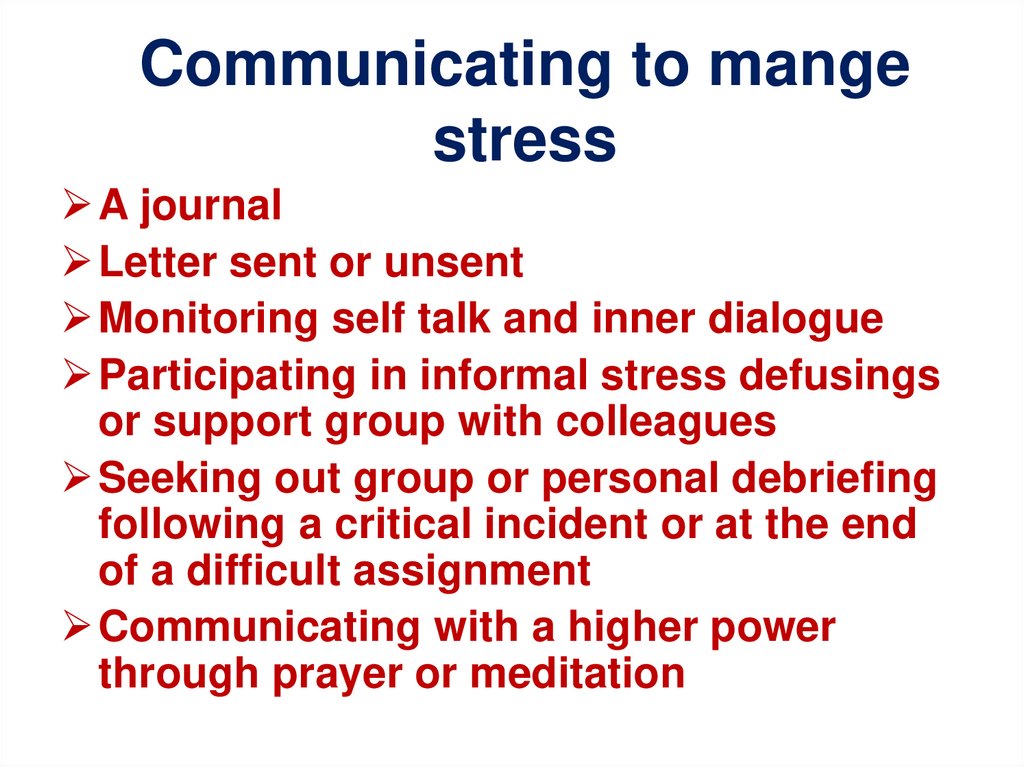
16. Communicating to mange stress
A journalLetter sent or unsent
Monitoring self talk and inner dialogue
Participating in informal stress defusings
or support group with colleagues
Seeking out group or personal debriefing
following a critical incident or at the end
of a difficult assignment
Communicating with a higher power
through prayer or meditation
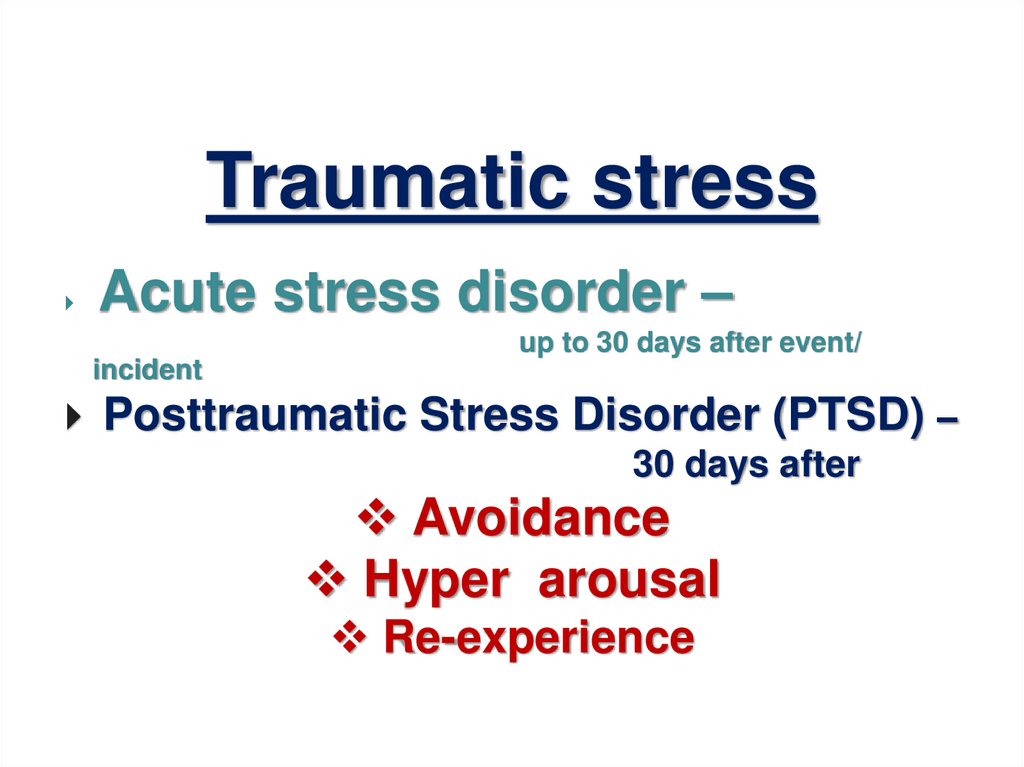
17. Traumatic stress
Acute stress disorder –up to 30 days after event/
incident
Posttraumatic Stress Disorder (PTSD) –
30 days after
Avoidance
Hyper arousal
Re-experience
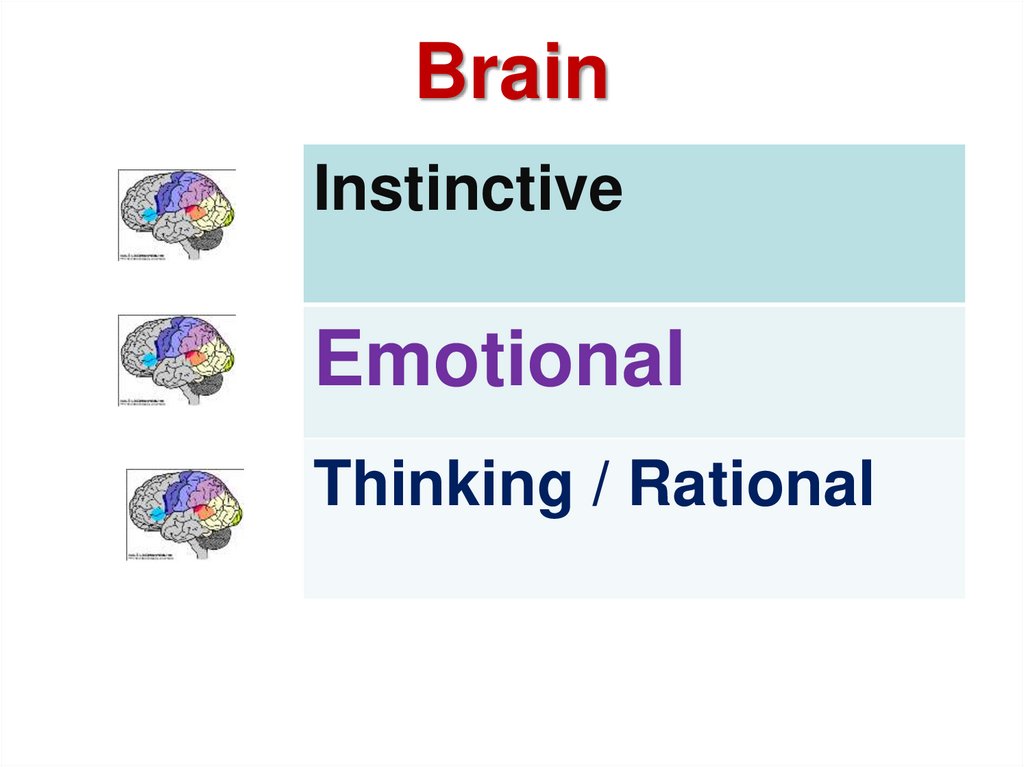
18. Brain
InstinctiveEmotional
Thinking / Rational
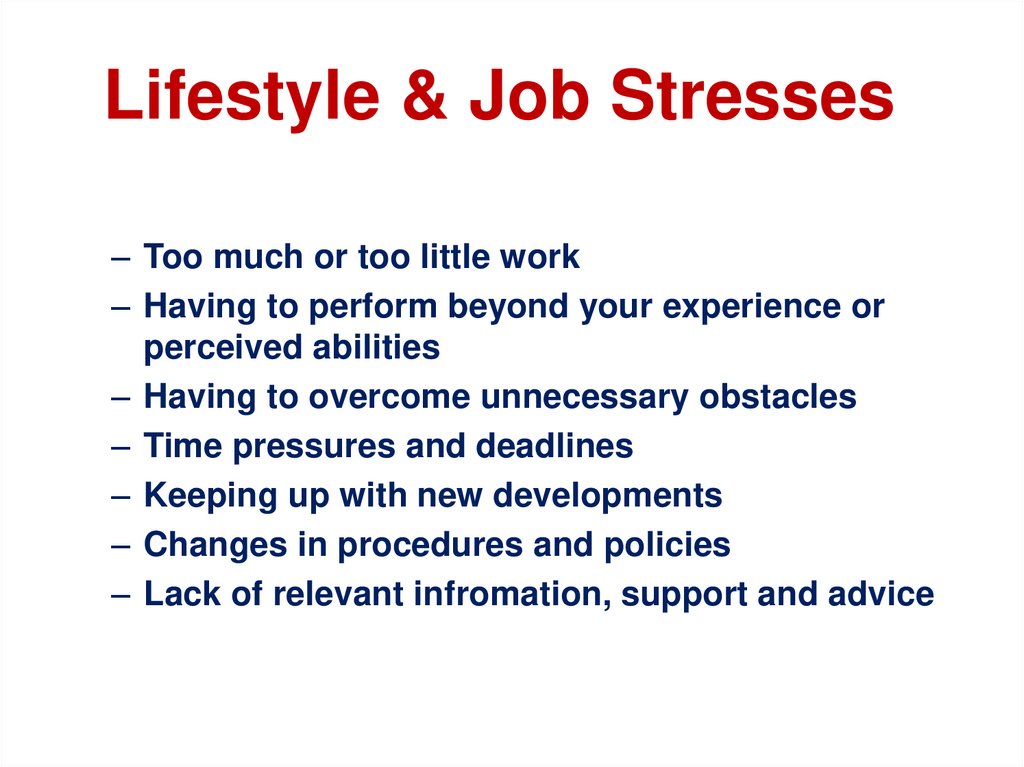
19. Lifestyle & Job Stresses
Lifestyle & Job Stresses– Too much or too little work
– Having to perform beyond your experience or
perceived abilities
– Having to overcome unnecessary obstacles
– Time pressures and deadlines
– Keeping up with new developments
– Changes in procedures and policies
– Lack of relevant infromation, support and advice
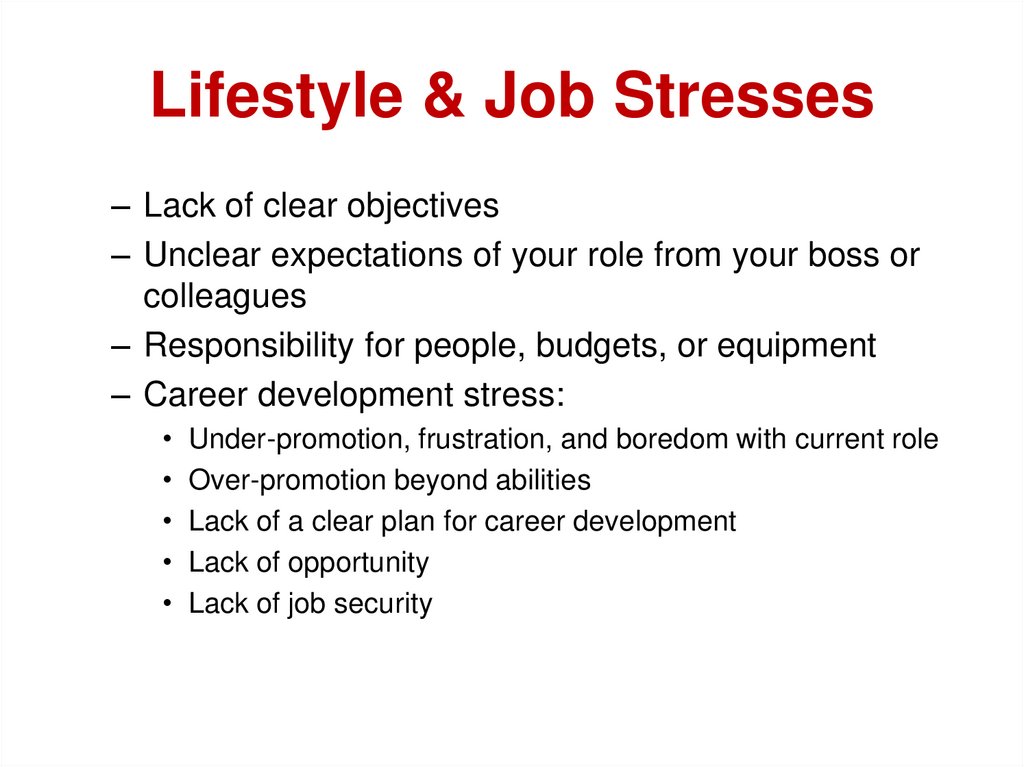
20. Lifestyle & Job Stresses
Lifestyle & Job Stresses– Lack of clear objectives
– Unclear expectations of your role from your boss or
colleagues
– Responsibility for people, budgets, or equipment
– Career development stress:
• Under-promotion, frustration, and boredom with current role
• Over-promotion beyond abilities
• Lack of a clear plan for career development
• Lack of opportunity
• Lack of job security
21. Lifestyle & Job Stresses
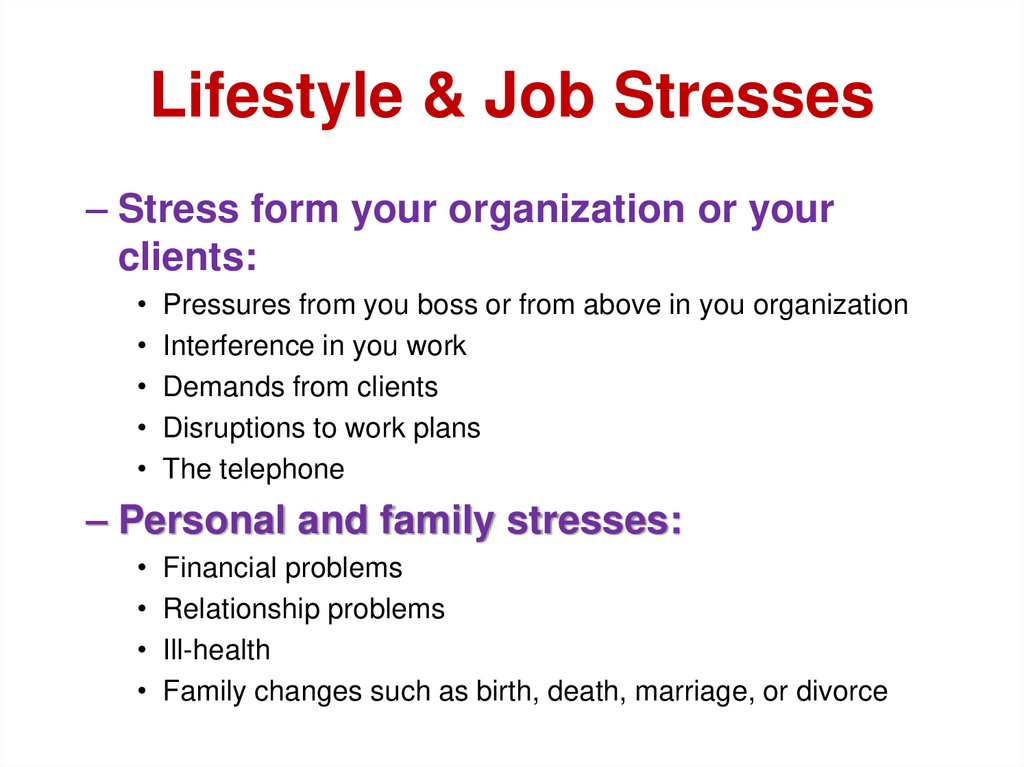
Lifestyle & Job Stresses– Stress form your organization or your
clients:
• Pressures from you boss or from above in you organization
• Interference in you work
• Demands from clients
• Disruptions to work plans
• The telephone
– Personal and family stresses:
• Financial problems
• Relationship problems
• Ill-health
• Family changes such as birth, death, marriage, or divorce
22. Stages of Reaction to Stress
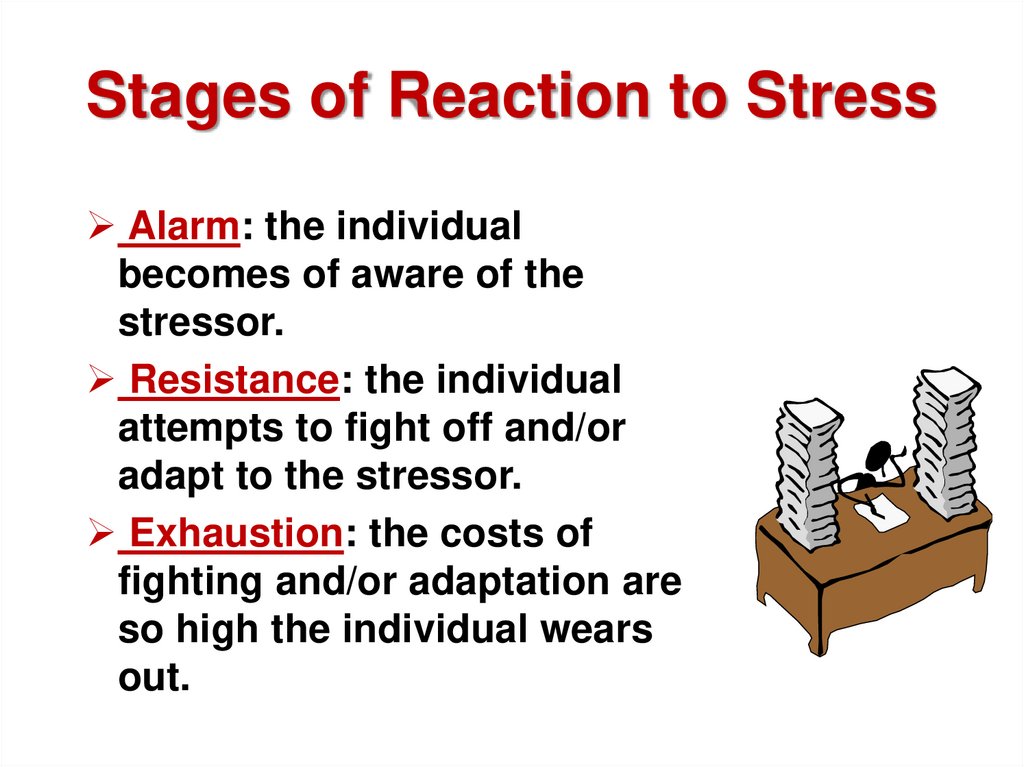
Alarm: the individualbecomes of aware of the
stressor.
Resistance: the individual
attempts to fight off and/or
adapt to the stressor.
Exhaustion: the costs of
fighting and/or adaptation are
so high the individual wears
out.
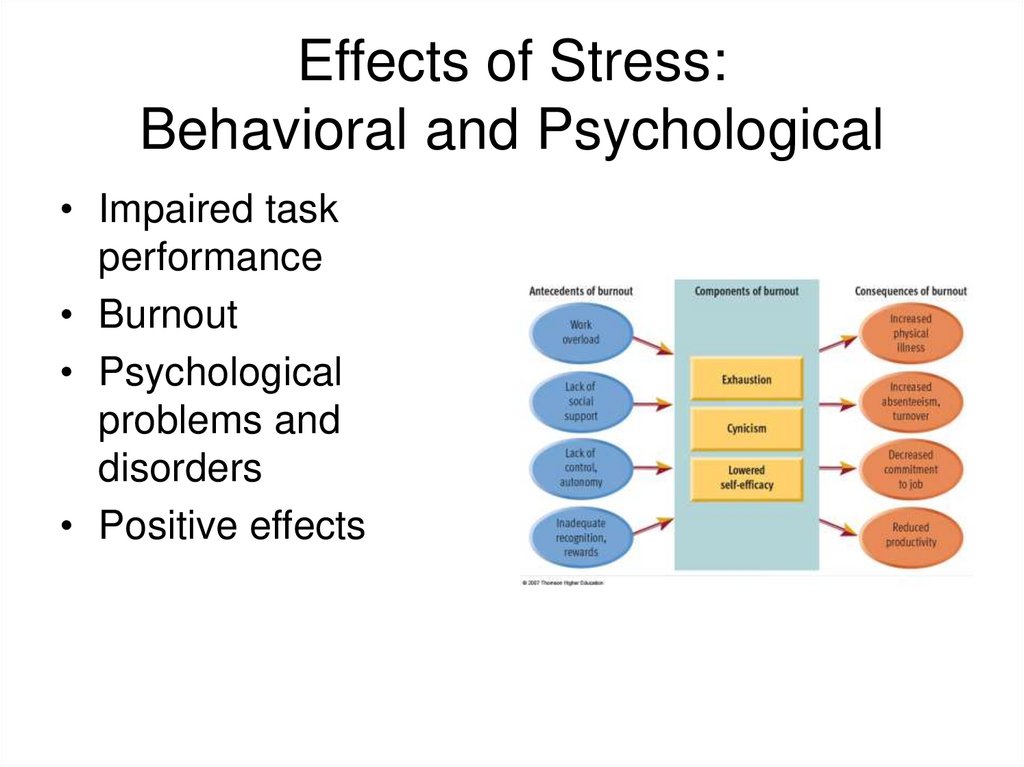
23. Burnout
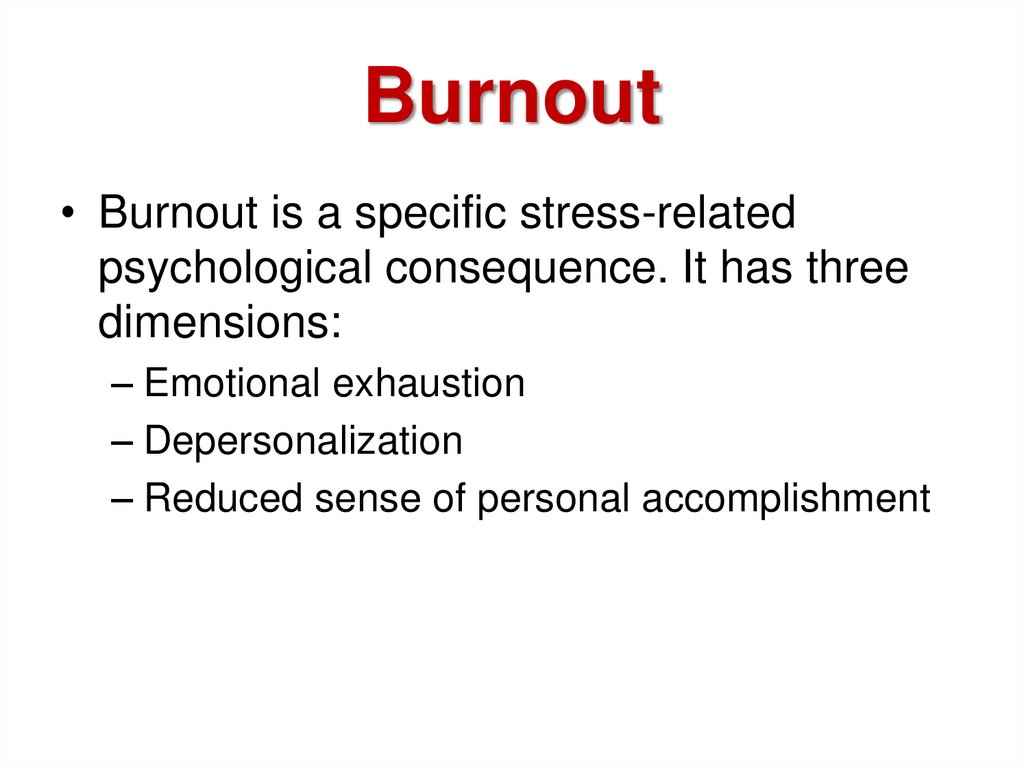
• Burnout is a specific stress-relatedpsychological consequence. It has three
dimensions:
– Emotional exhaustion
– Depersonalization
– Reduced sense of personal accomplishment
24.
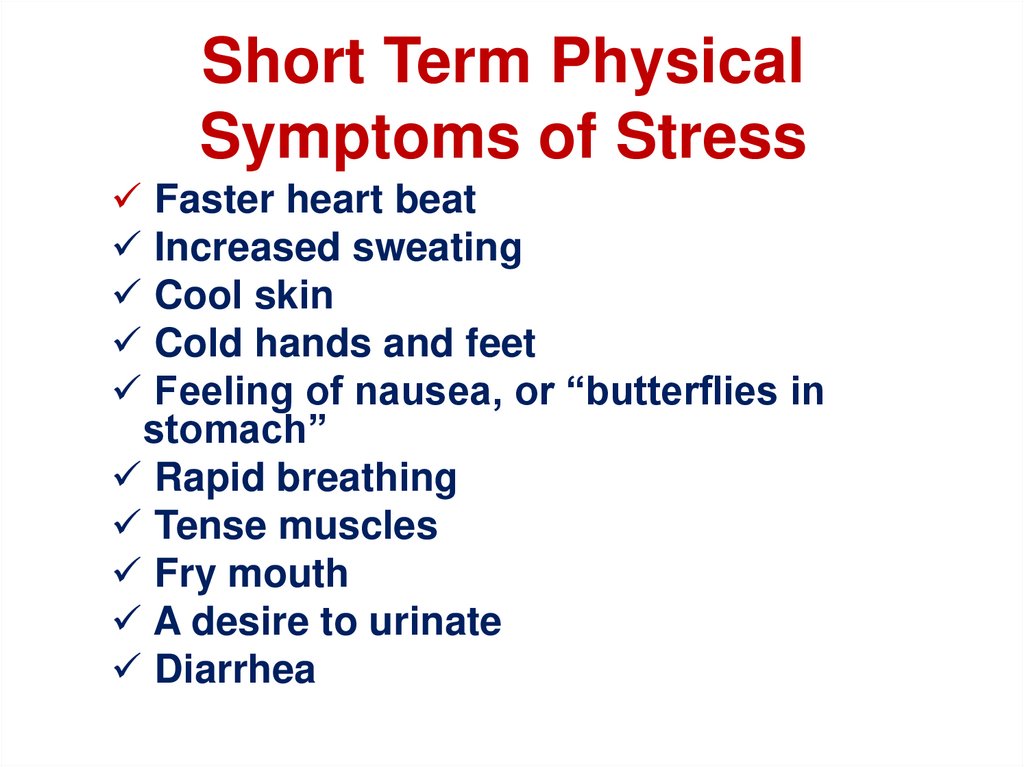
25. Short Term Physical Symptoms of Stress
Faster heart beatIncreased sweating
Cool skin
Cold hands and feet
Feeling of nausea, or “butterflies in
stomach”
Rapid breathing
Tense muscles
Fry mouth
A desire to urinate
Diarrhea
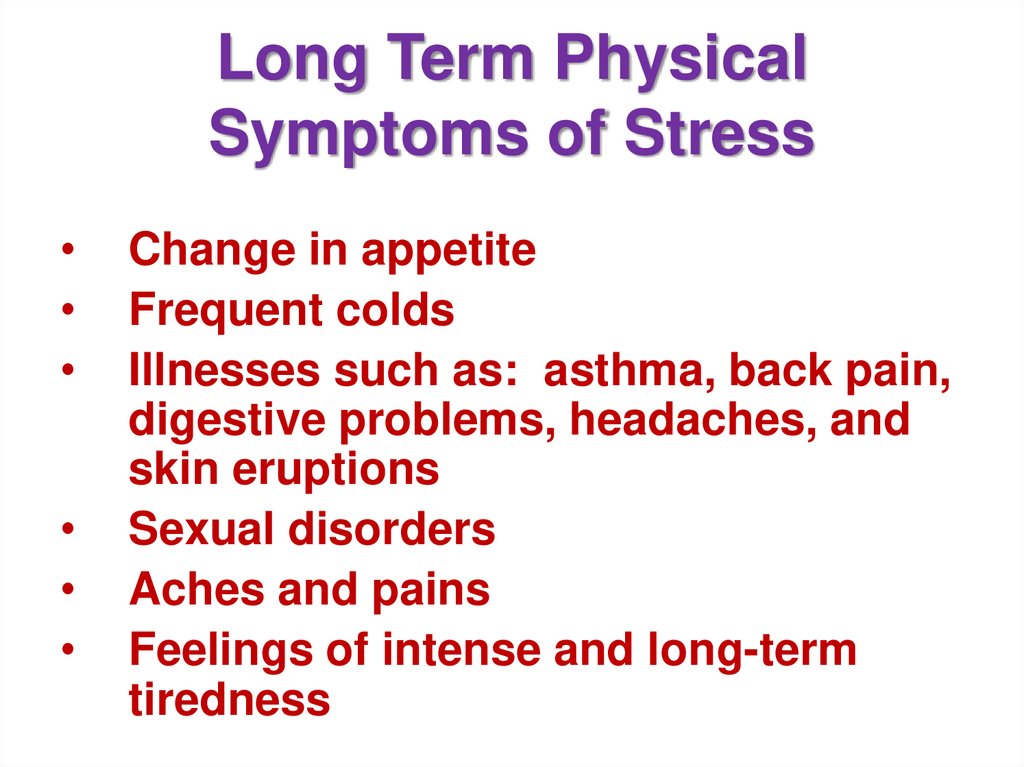
26. Long Term Physical Symptoms of Stress
Change in appetite
Frequent colds
Illnesses such as: asthma, back pain,
digestive problems, headaches, and
skin eruptions
Sexual disorders
Aches and pains
Feelings of intense and long-term
tiredness
27. Effects of Stress: Behavioral and Psychological
• Impaired taskperformance
• Burnout
• Psychological
problems and
disorders
• Positive effects
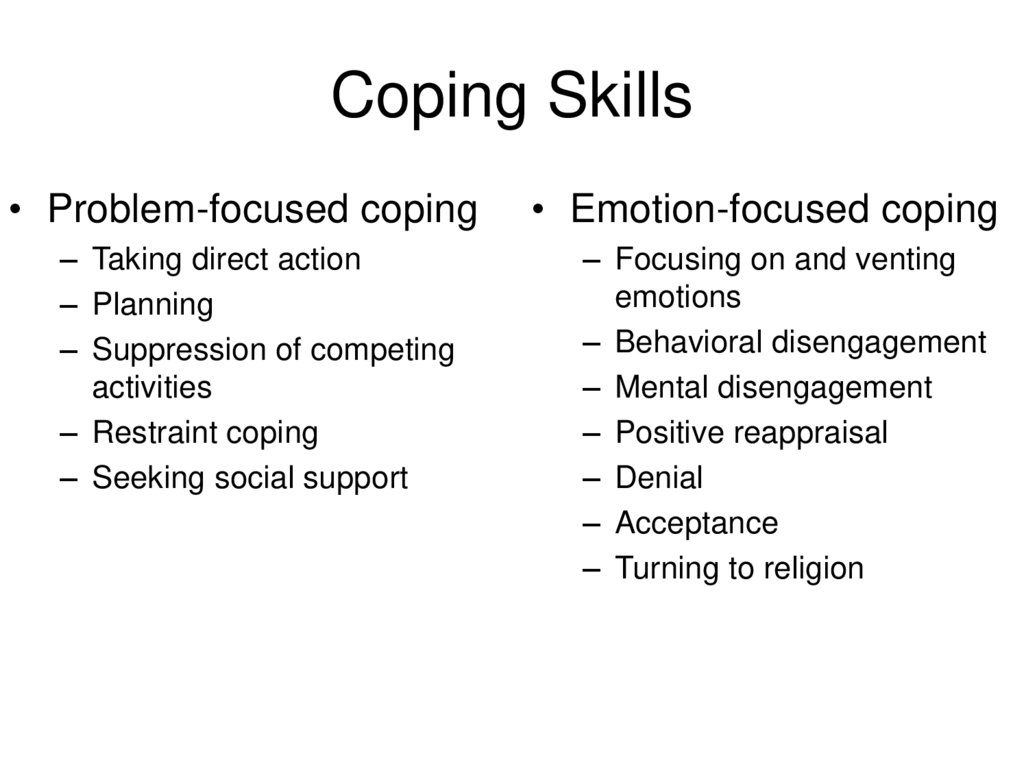
28. Coping Skills
• Problem-focused coping• Emotion-focused coping
– Taking direct action
– Planning
– Suppression of competing
activities
– Restraint coping
– Seeking social support
– Focusing on and venting
emotions
– Behavioral disengagement
– Mental disengagement
– Positive reappraisal
– Denial
– Acceptance
– Turning to religion