
 Механика
Похожие презентации:






Hookes law. Definition of load,extension, elastic limit and spring constant
1.
Today’stopic
• Deformation: Causes and Types
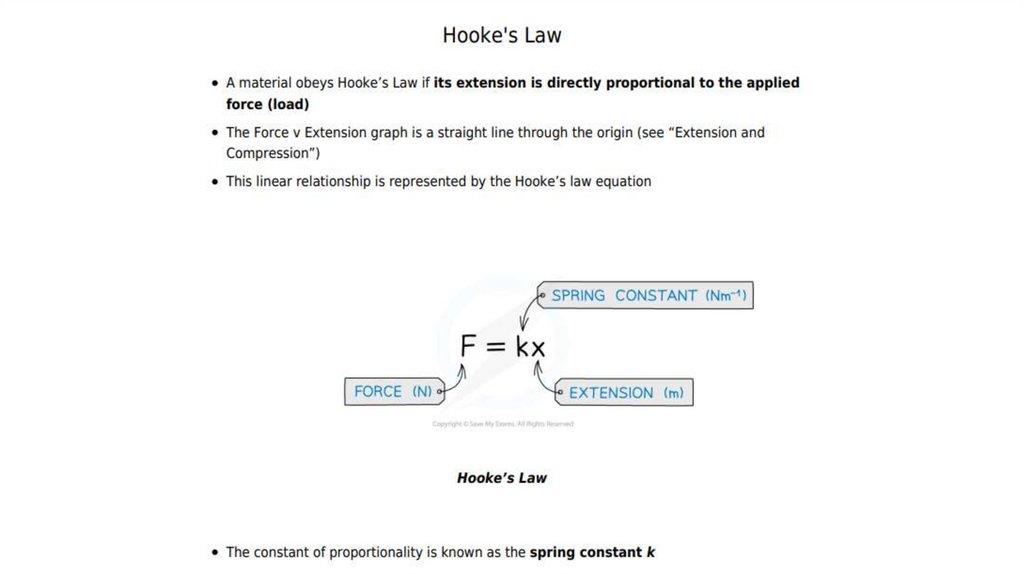
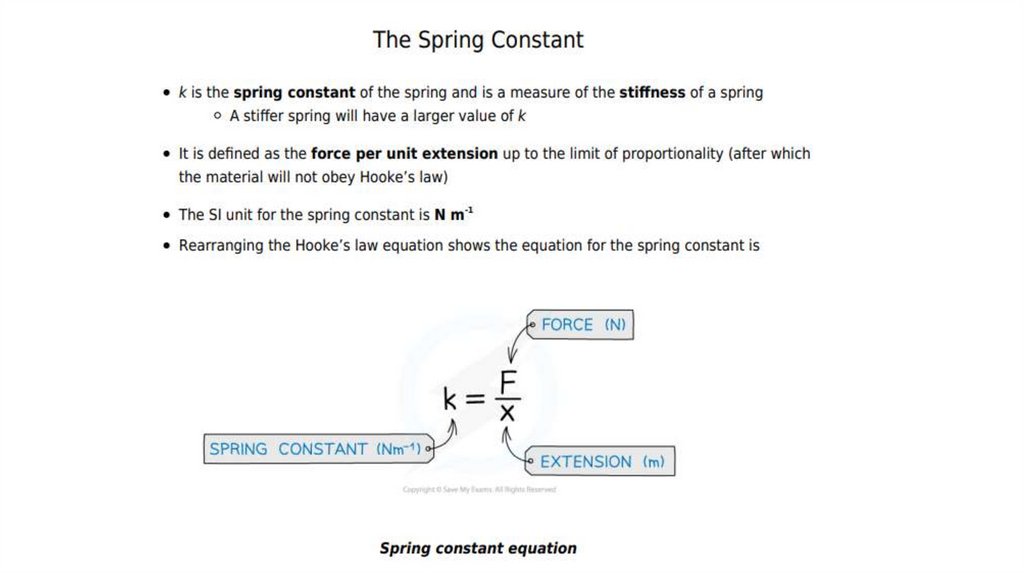
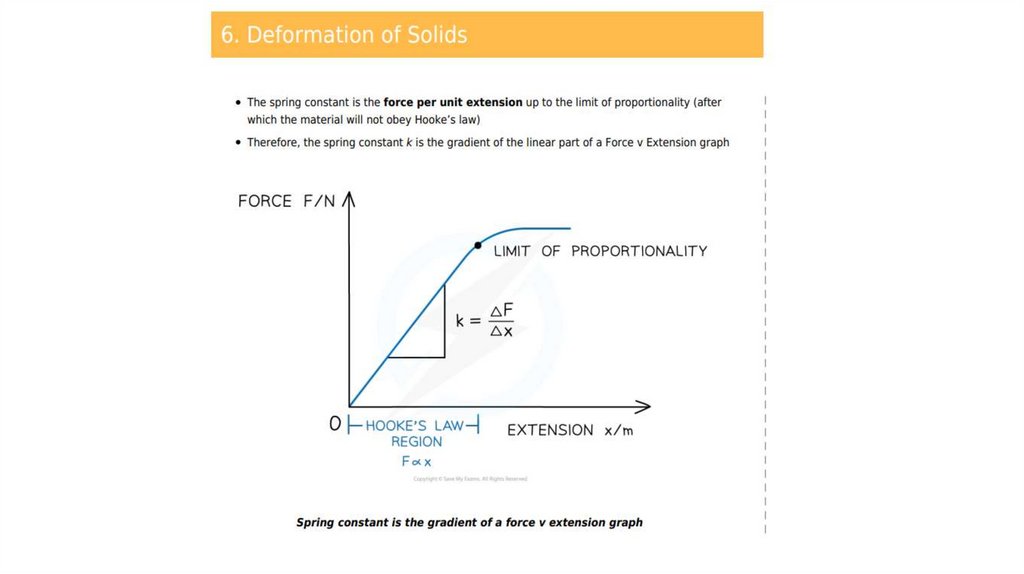
• Hookes law.Definition of load,extension, elastic limit and spring
constant.
2.
Today’sObjectives
(a) appreciate that deformation is caused by a force and that, in one
dimension, the deformation can be tensile or compressive;
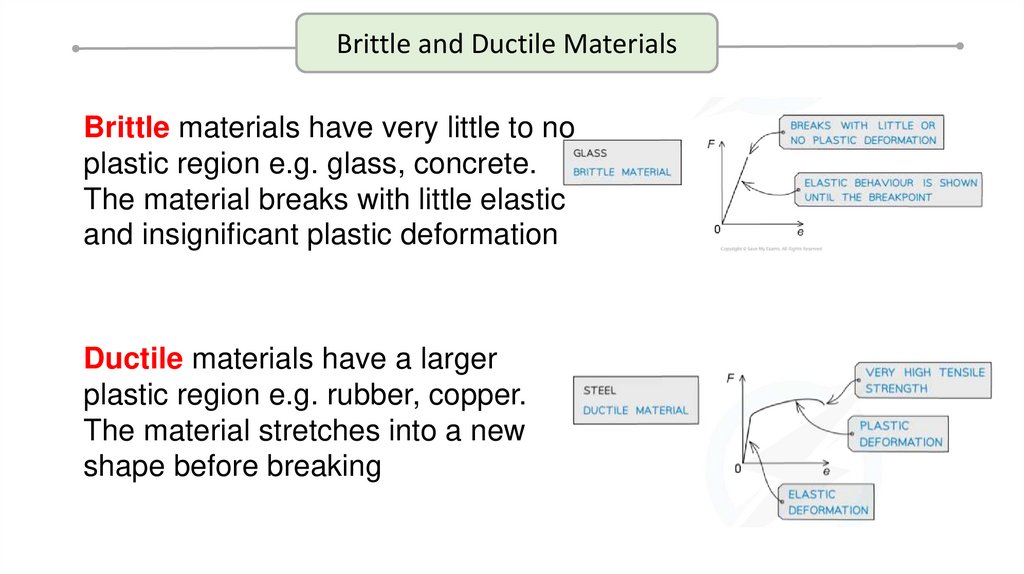
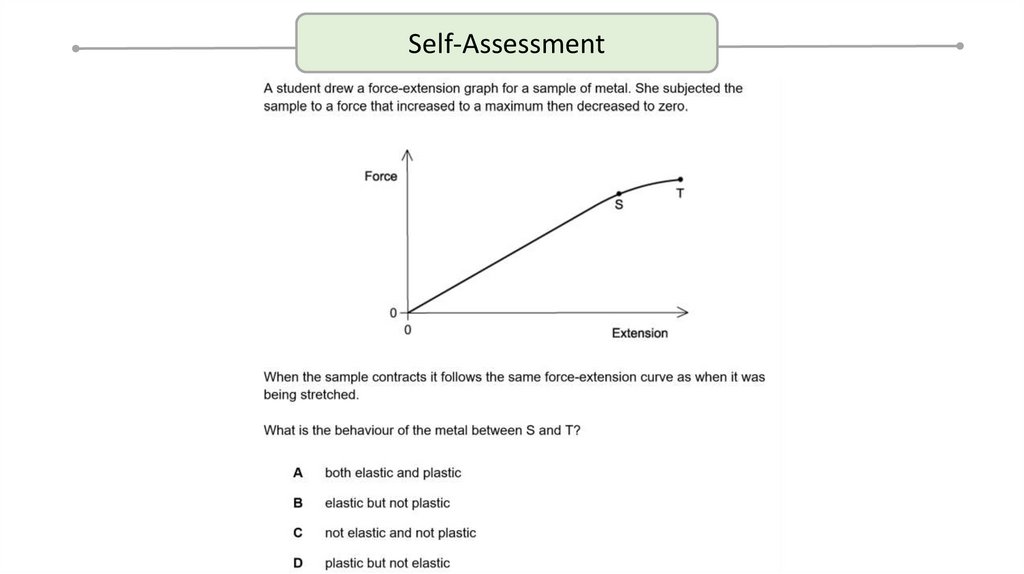
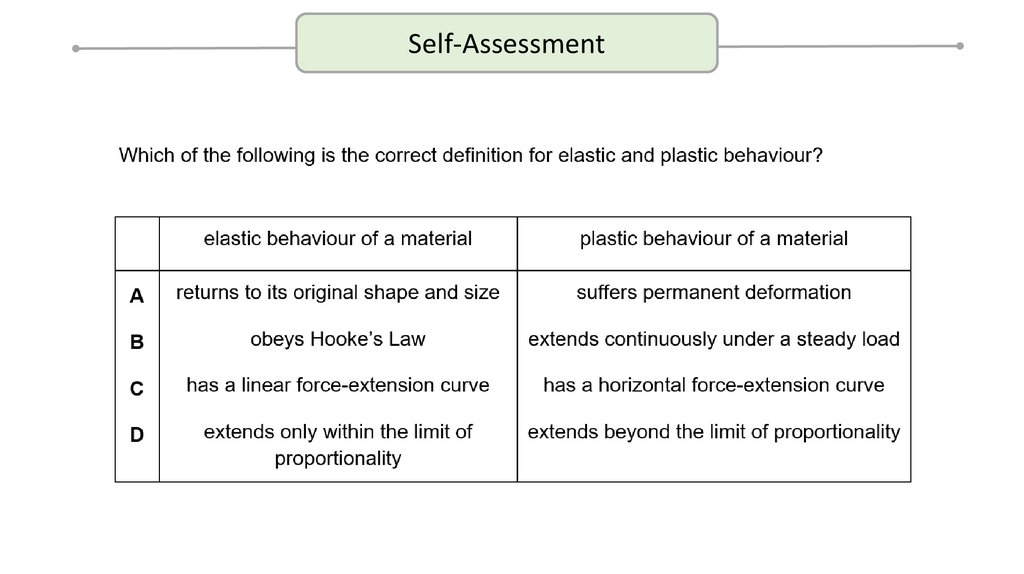
(b) distinguish between elastic and plastic deformation of a material;
(c) describe the behaviour of springs in terms of load, extension, elastic
limit, Hooke’s law and the spring constant (i.e. force per unit
extension);
3.
ScienceTalk
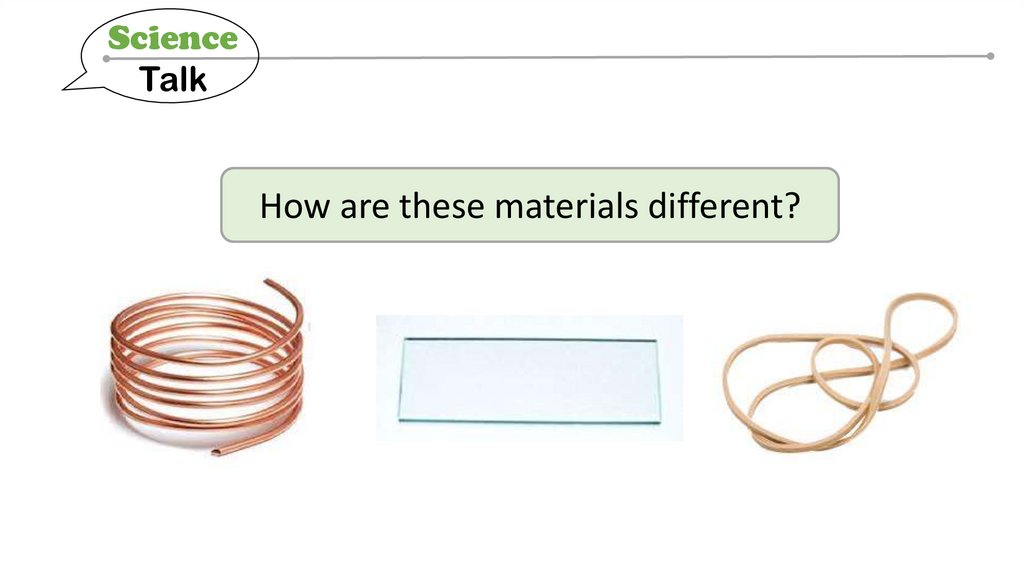
How are these materials different?
4.
ScienceTalk
What is deformation ?
How many types of deformation do you know ?
What is plastic deformation
What is elastic deformation ?
To distinguish between types of deformation ?
5.
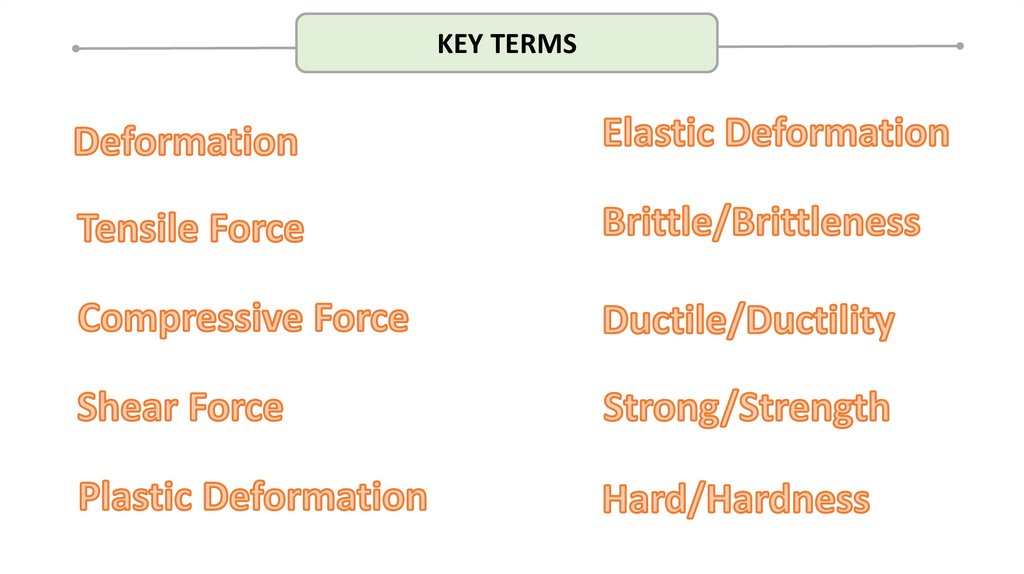
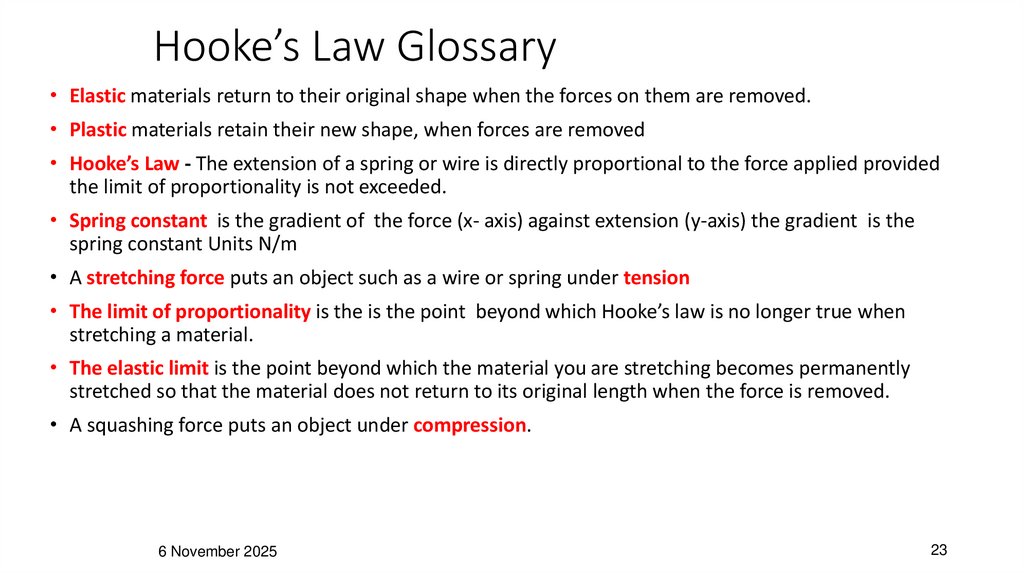
KEY TERMS6.
Deformation ForcesTypes of deformation
https://www.youtube.com/watch?v=JT9b2VCzCe0
7.
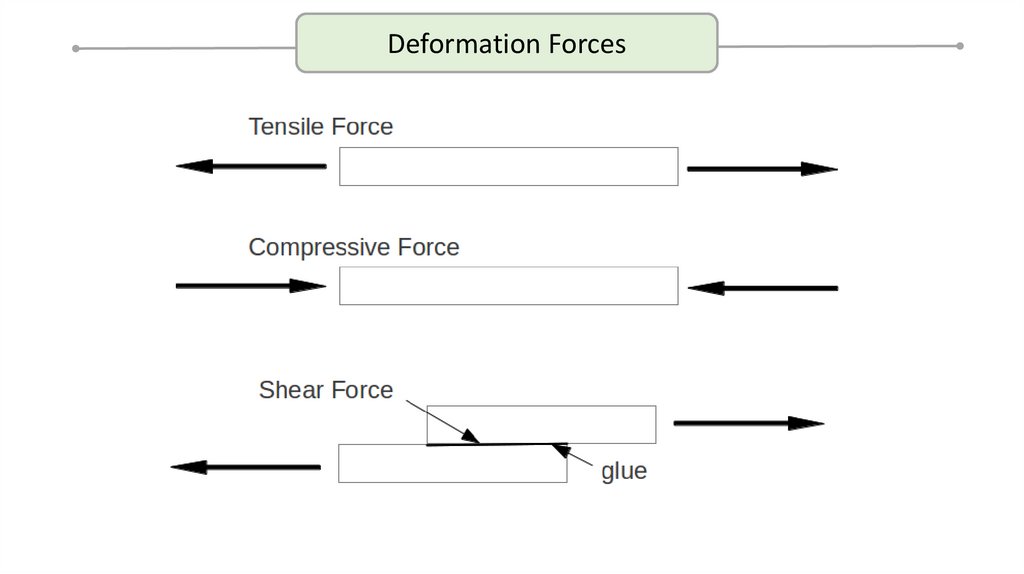
Deformation Forces8.
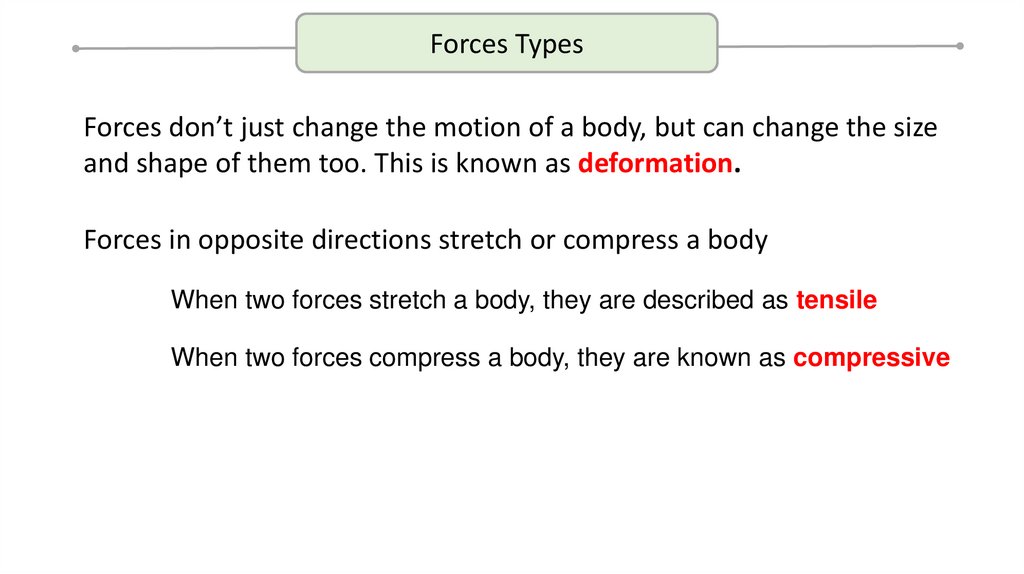
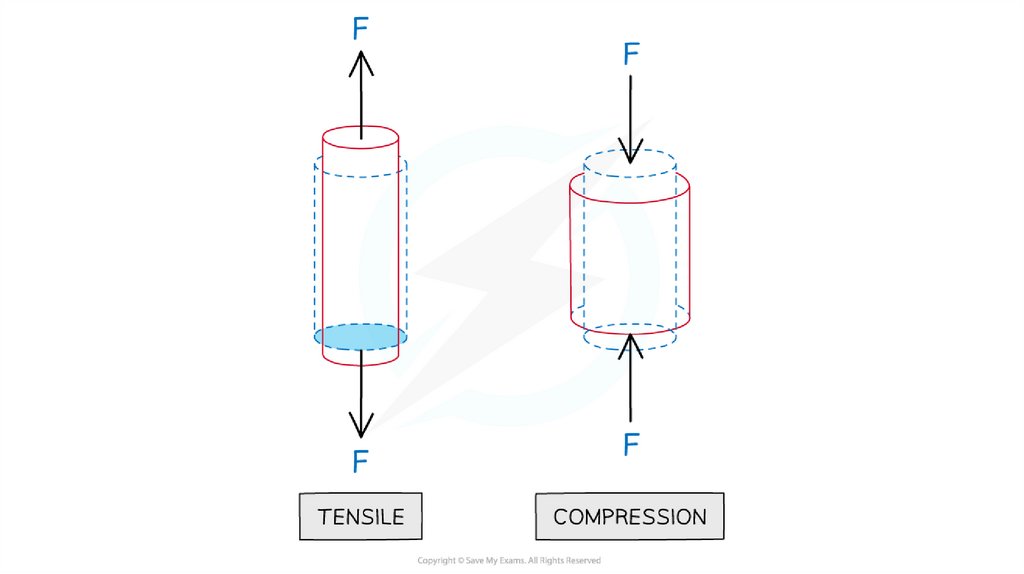
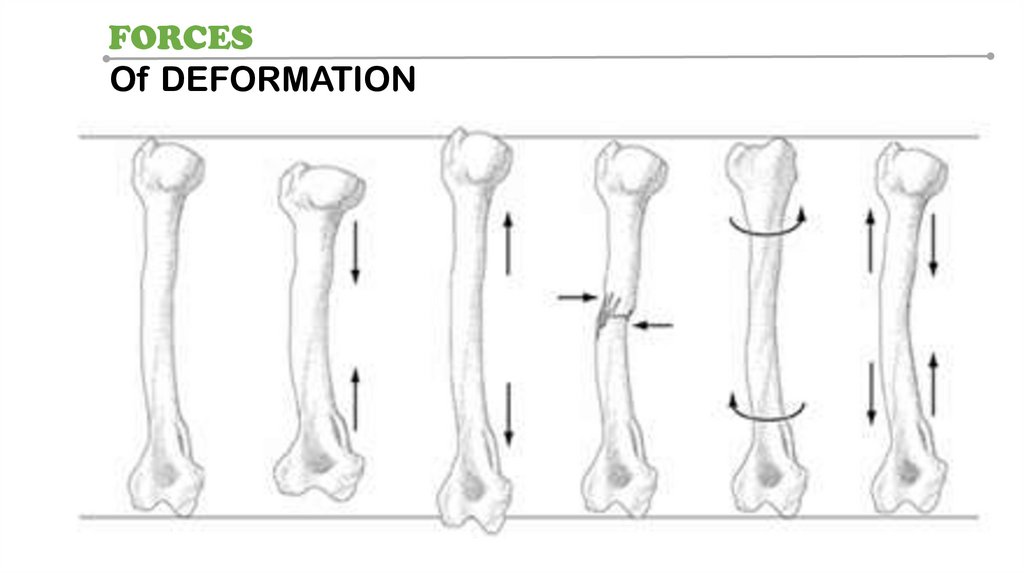
Forces TypesForces don’t just change the motion of a body, but can change the size
and shape of them too. This is known as deformation.
Forces in opposite directions stretch or compress a body
When two forces stretch a body, they are described as tensile
When two forces compress a body, they are known as compressive
9.
10.
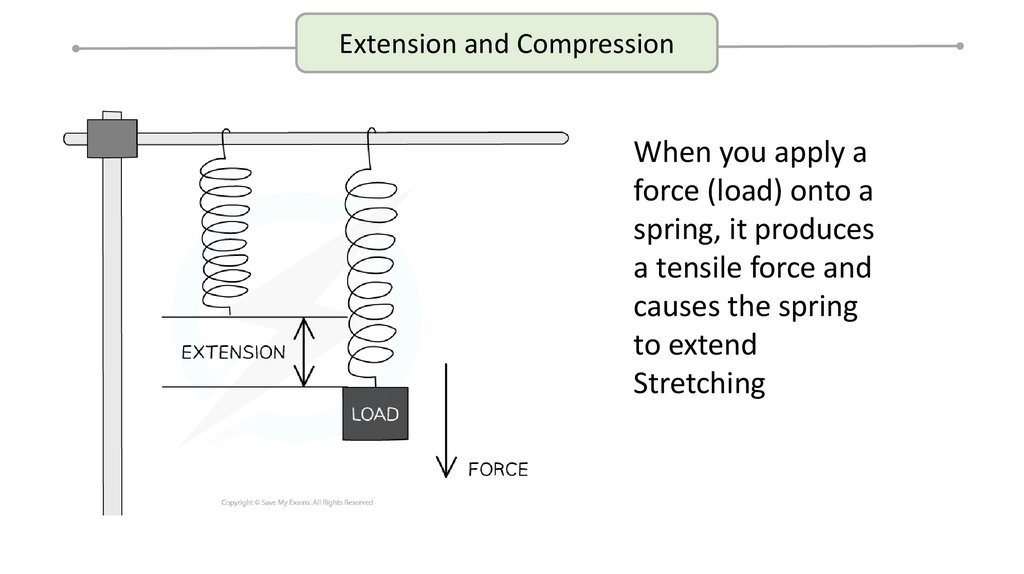
Extension and CompressionWhen you apply a
force (load) onto a
spring, it produces
a tensile force and
causes the spring
to extend
Stretching
11.
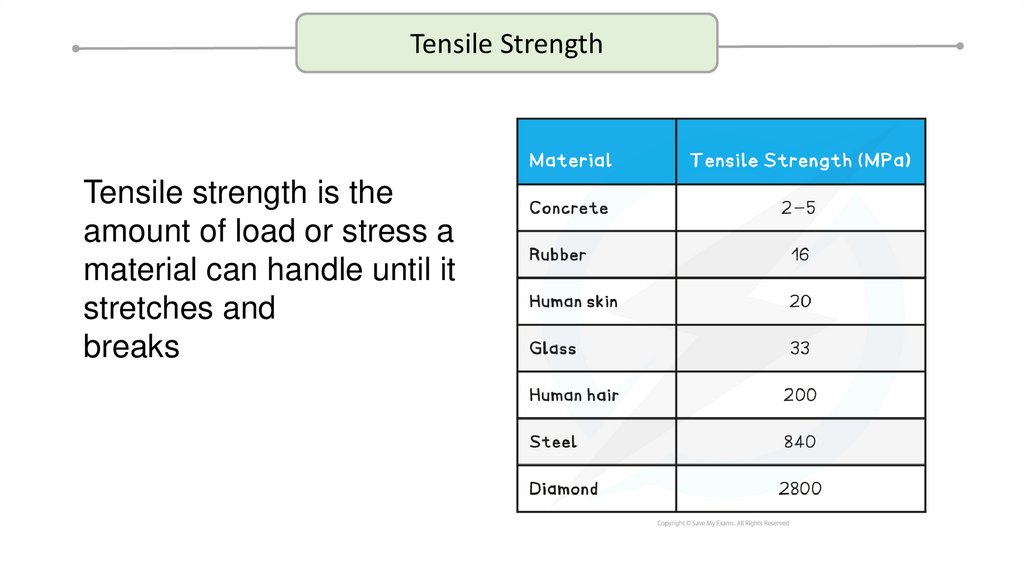
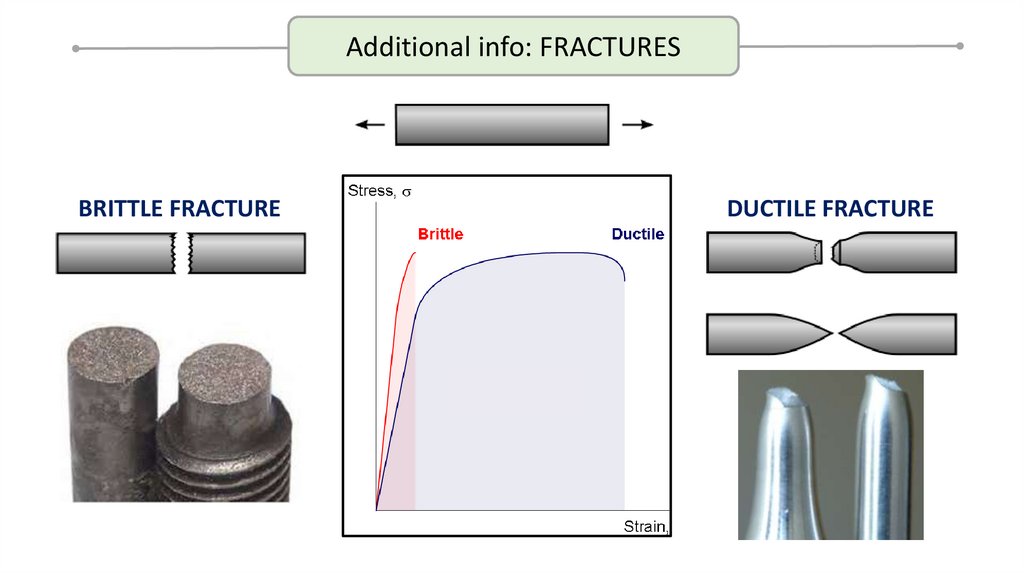
Tensile StrengthTensile strength is the
amount of load or stress a
material can handle until it
stretches and
breaks
12.
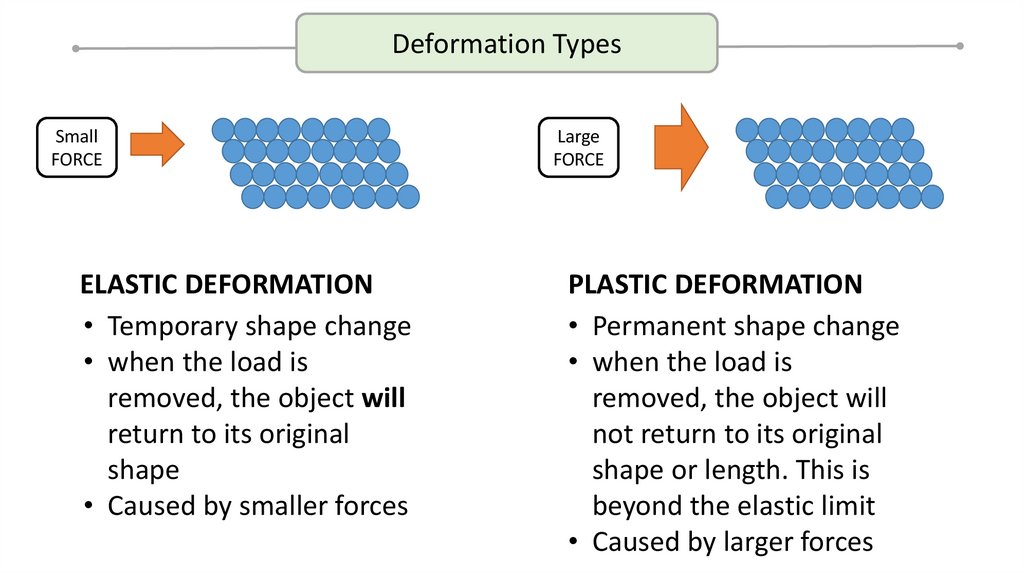
Deformation TypesSmall
FORCE
ELASTIC DEFORMATION
• Temporary shape change
• when the load is
removed, the object will
return to its original
shape
• Caused by smaller forces
Large
FORCE
PLASTIC DEFORMATION
• Permanent shape change
• when the load is
removed, the object will
not return to its original
shape or length. This is
beyond the elastic limit
• Caused by larger forces
13. Definitions
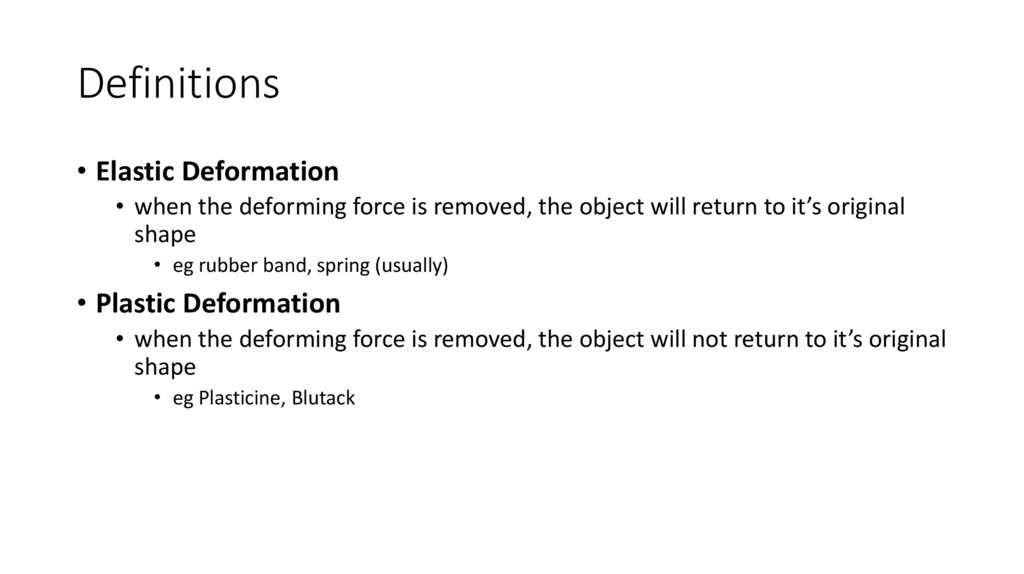
• Elastic Deformation• when the deforming force is removed, the object will return to it’s original
shape
• eg rubber band, spring (usually)
• Plastic Deformation
• when the deforming force is removed, the object will not return to it’s original
shape
• eg Plasticine, Blutack
14. Elastic Properties of Matter
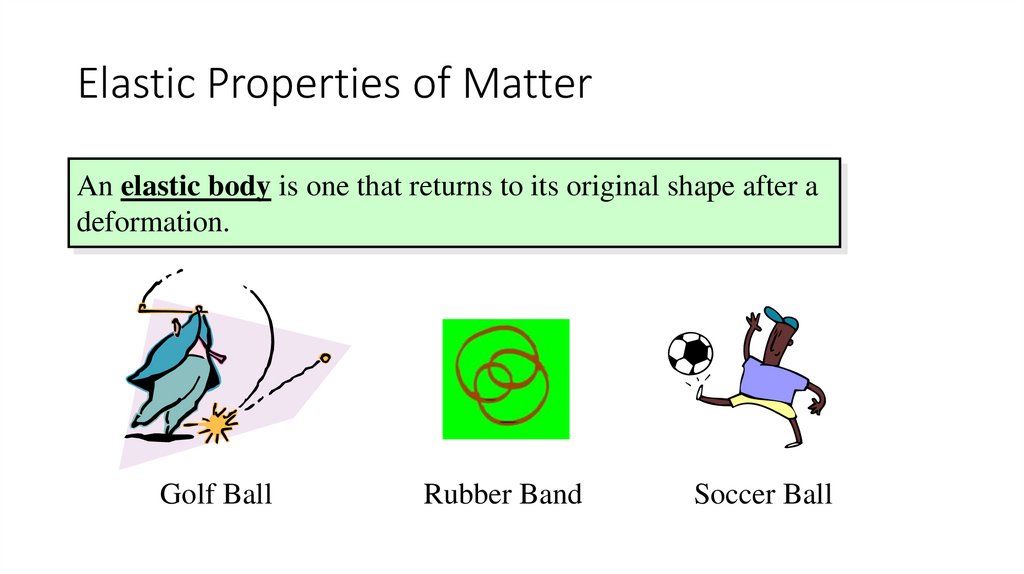
An elastic body is one that returns to its original shape after adeformation.
Golf Ball
Rubber Band
Soccer Ball
15. Elastic Properties of Matter
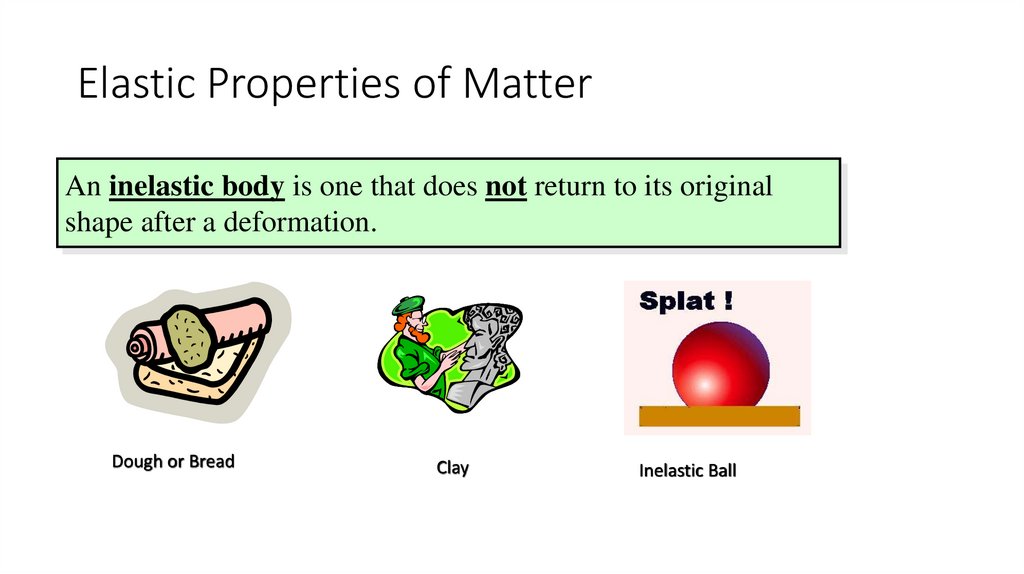
An inelastic body is one that does not return to its originalshape after a deformation.
Dough or Bread
Clay
Inelastic Ball
16.
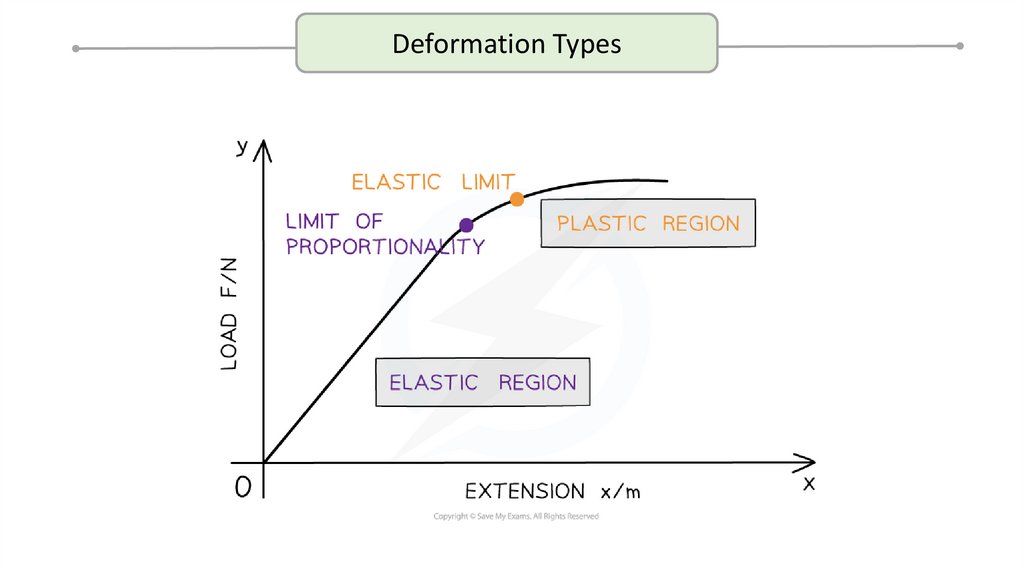
Deformation Types17.
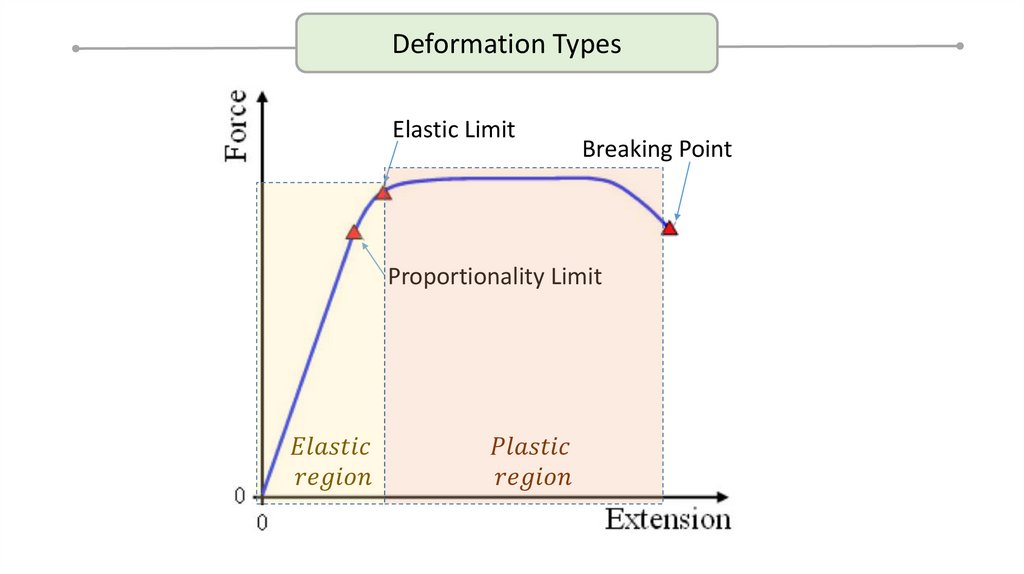
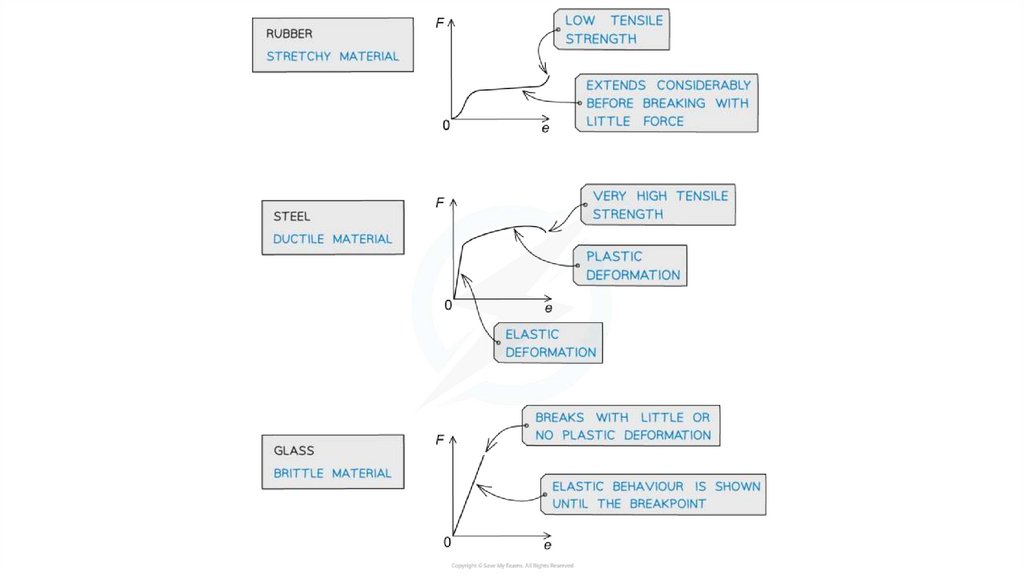
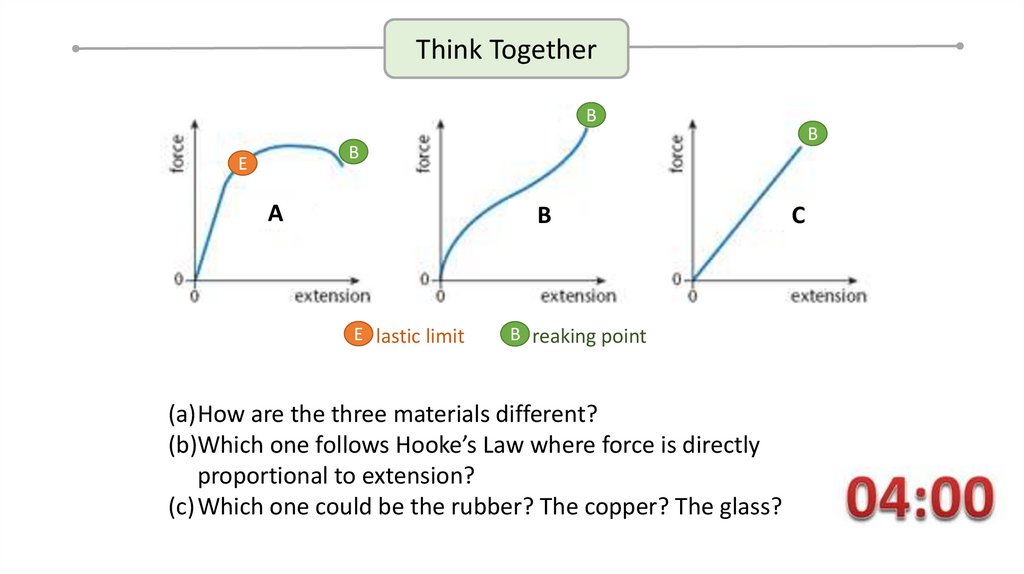
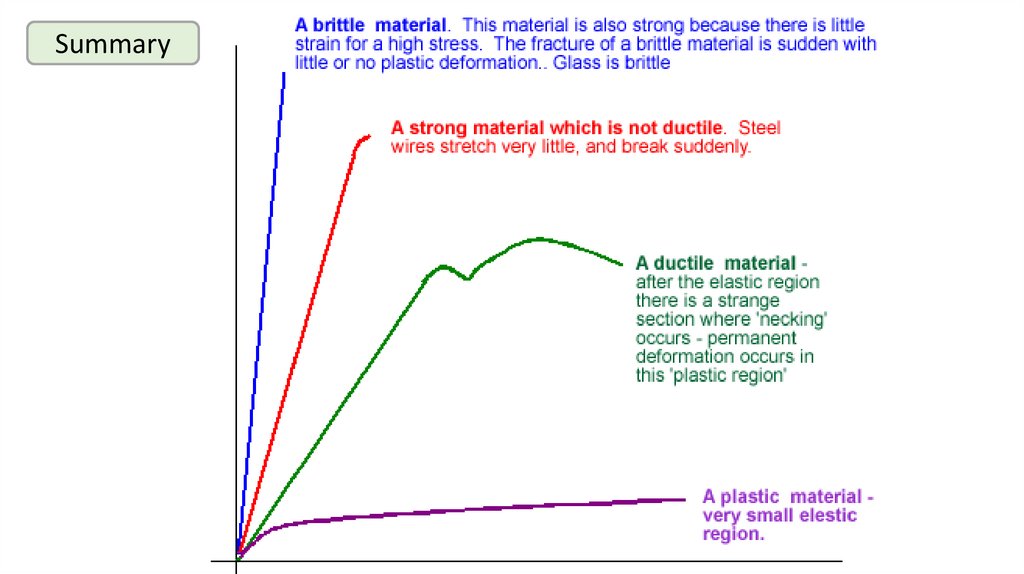
Deformation TypesElastic Limit
Breaking Point
Proportionality Limit