Financial management function PART A
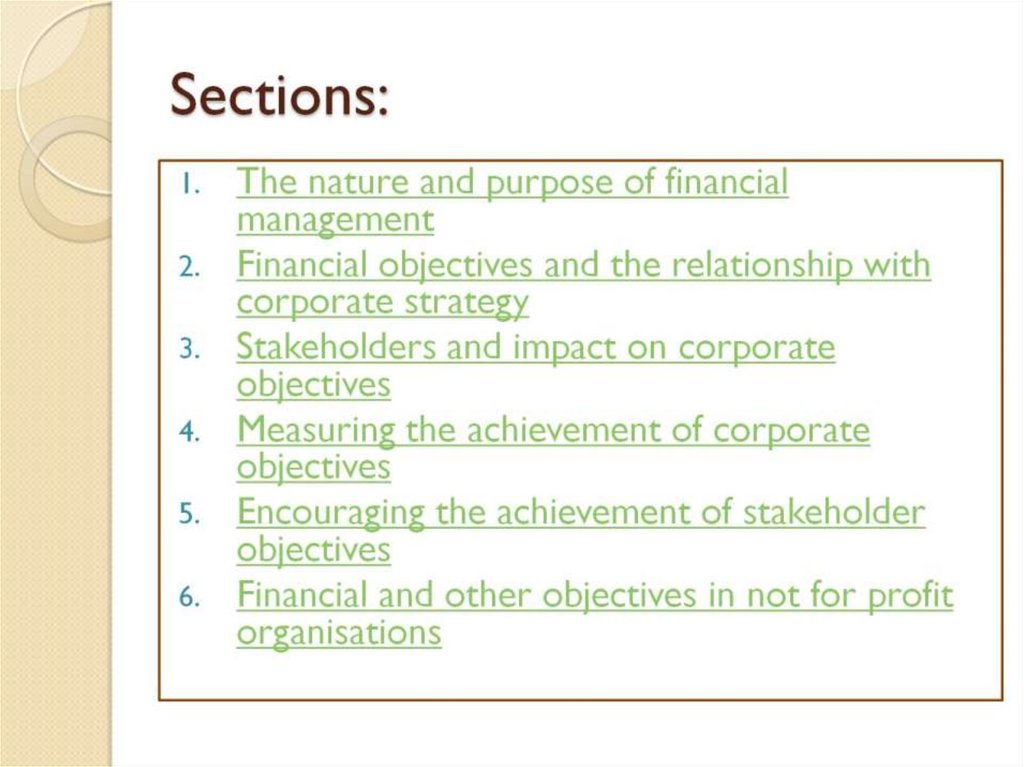
Sections:
The nature and purpose of financial management
What is financial management?
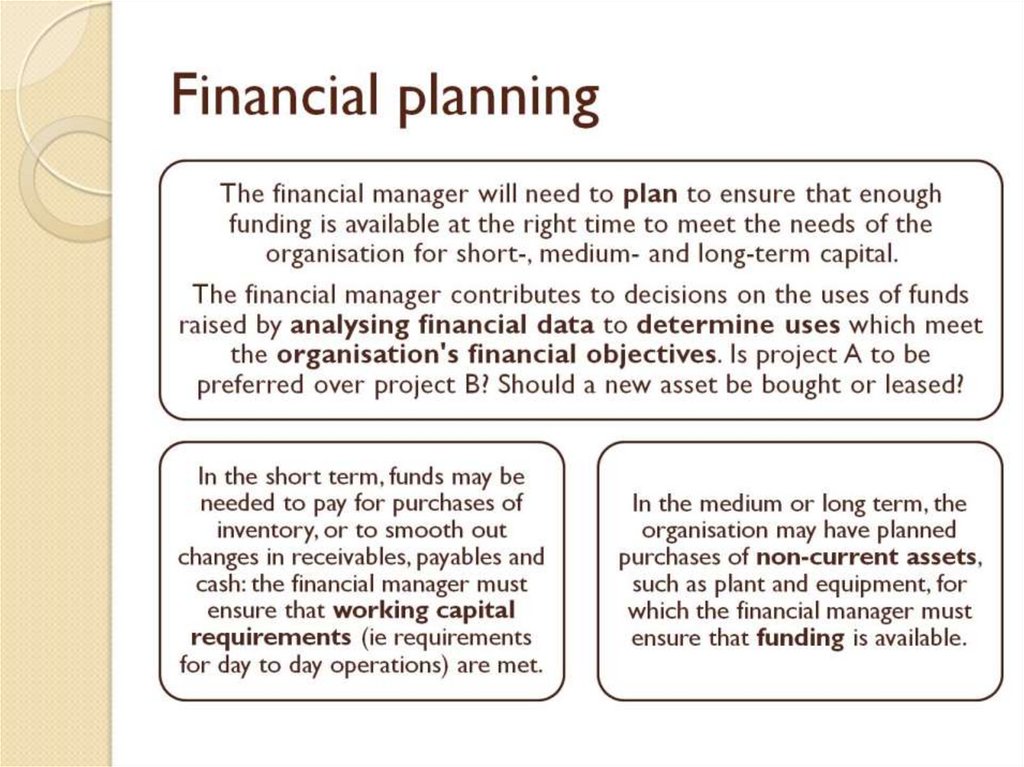
Financial planning
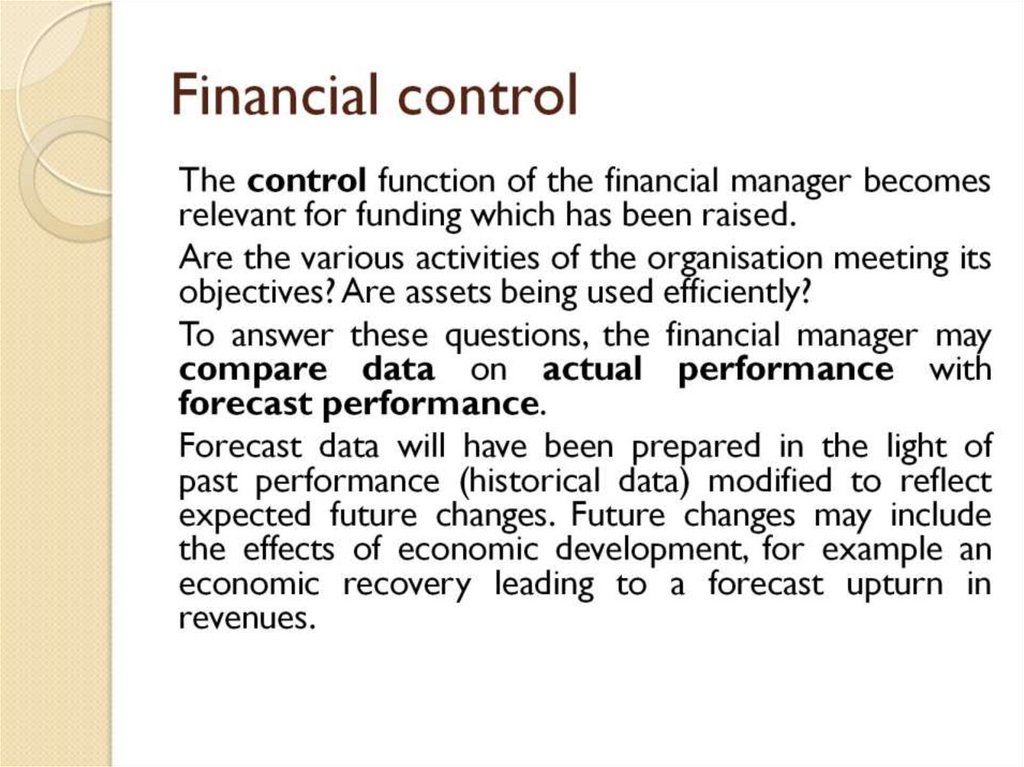
Financial control
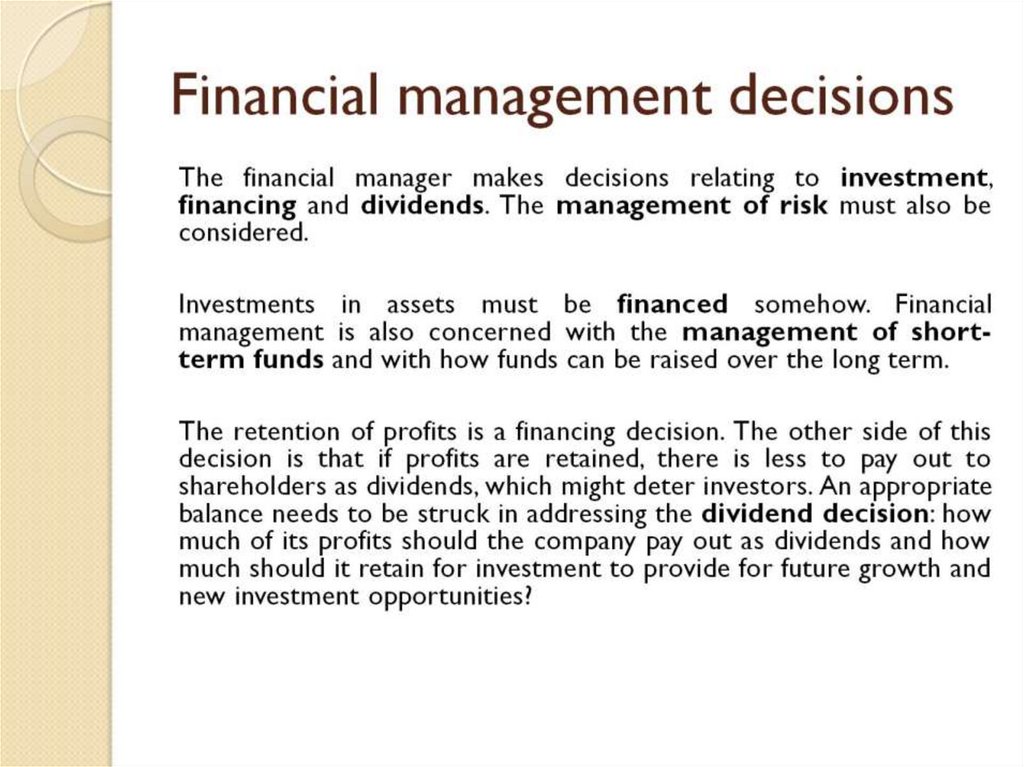
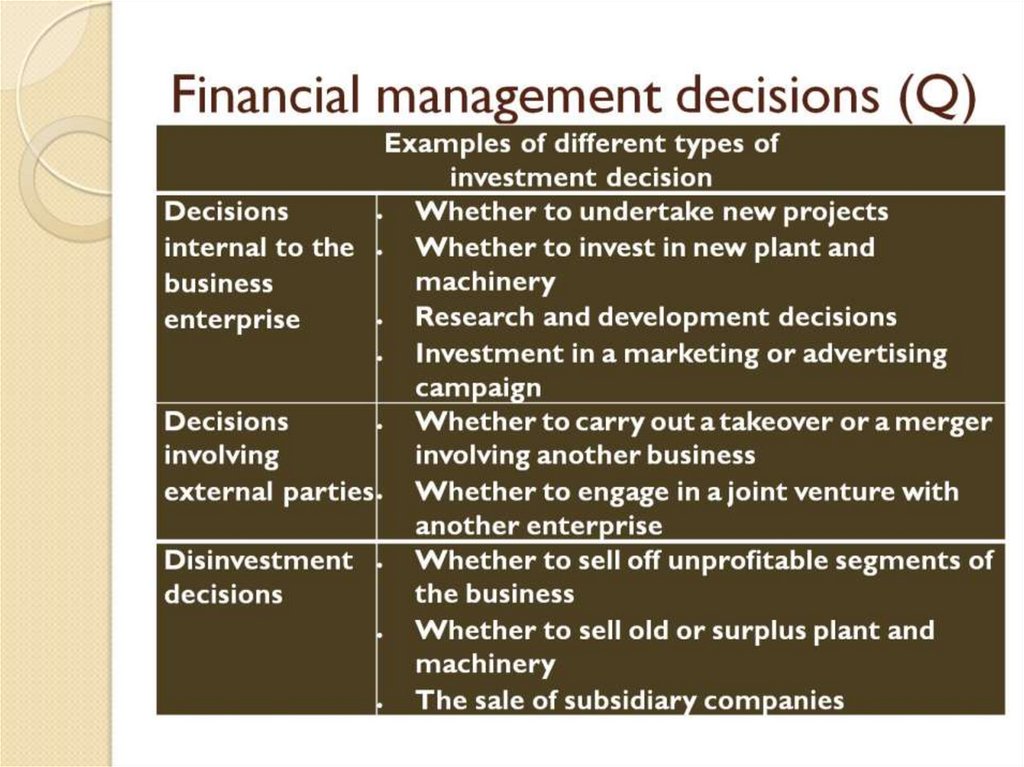
Financial management decisions
Financial management decisions (Q)
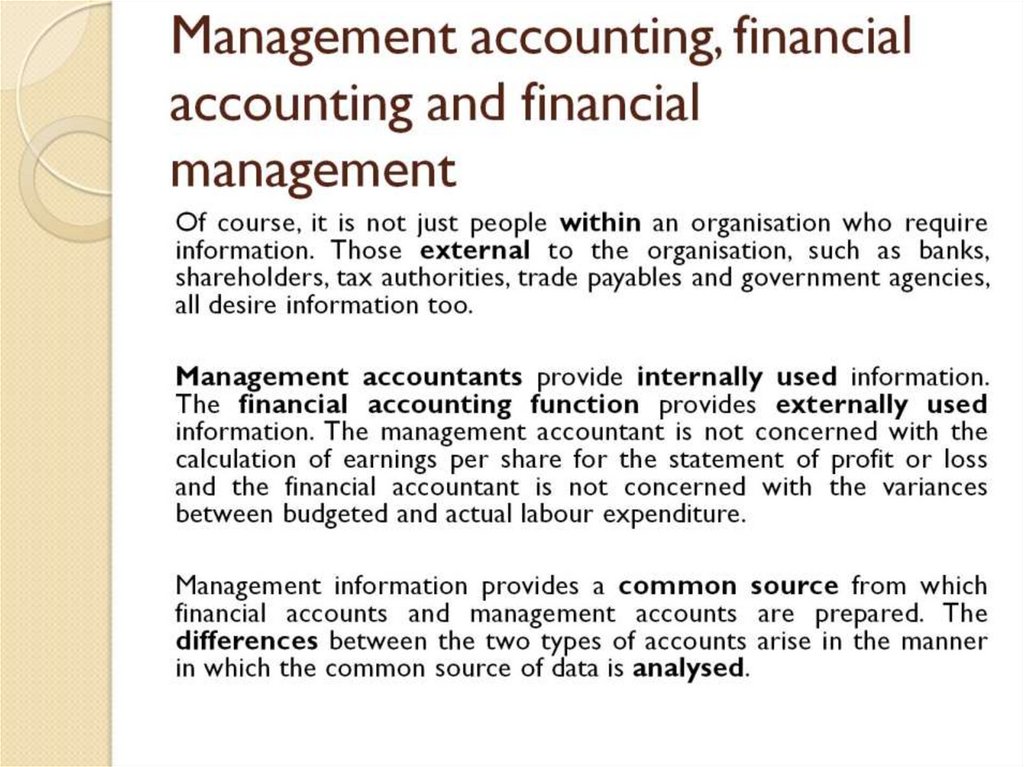
Management accounting, financial accounting and financial management
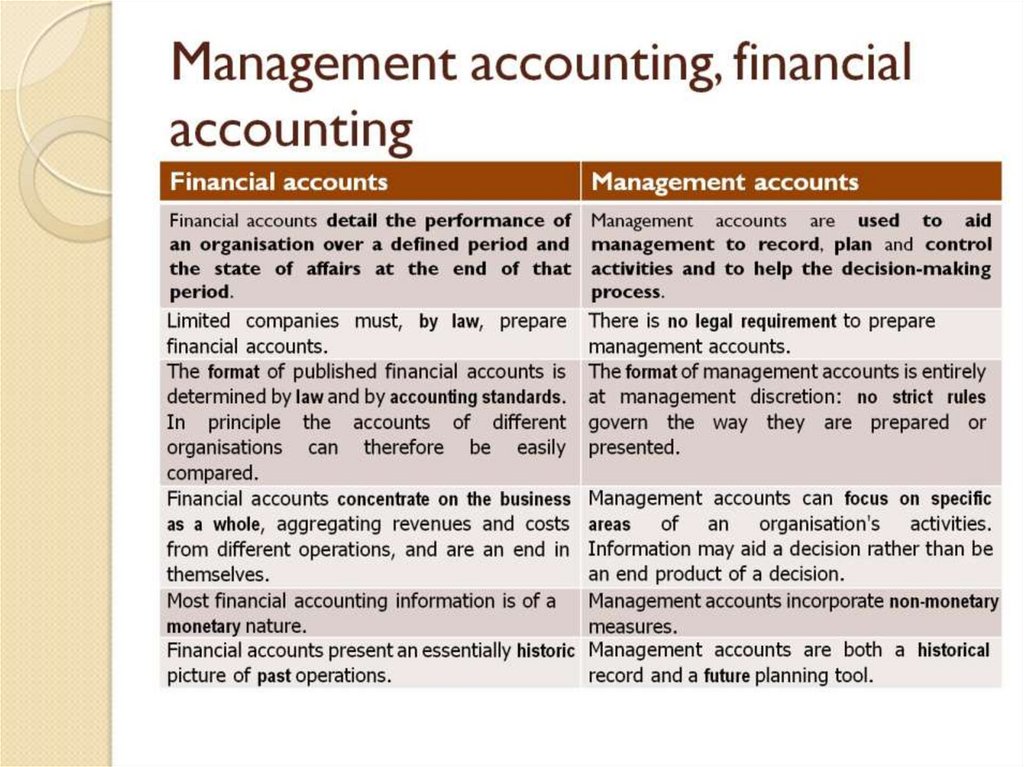
Management accounting, financial accounting
Management accounting, financial accounting and financial management
Financial objectives and the relationship with corporate strategy
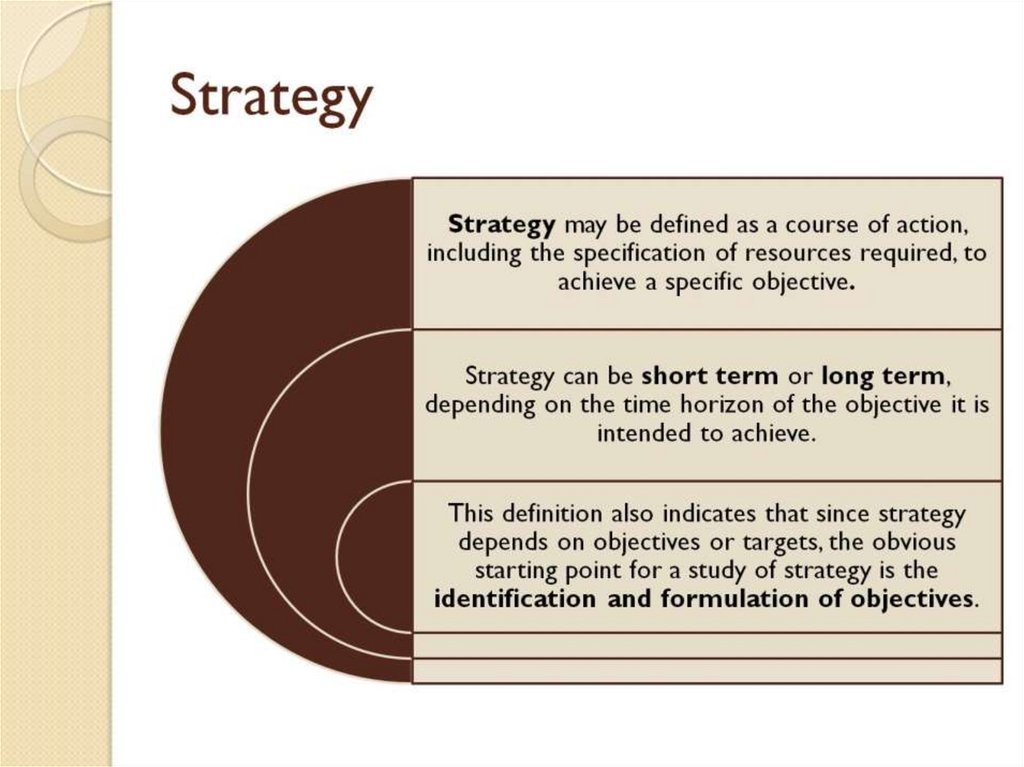
Strategy
Corporate objectives
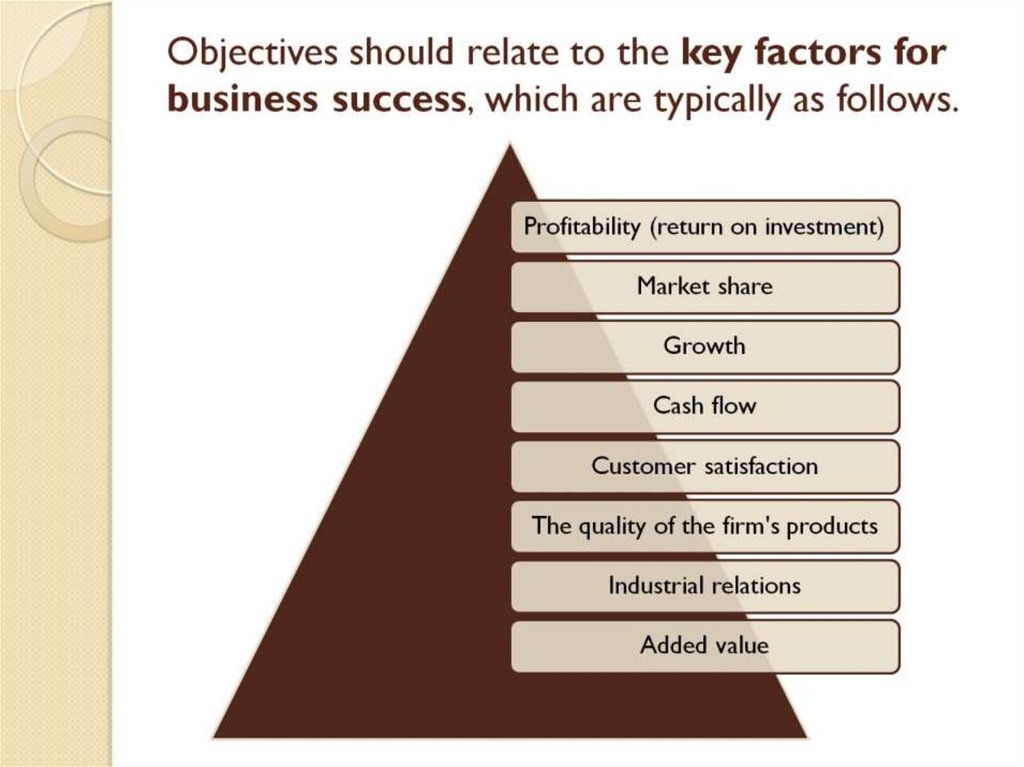
Objectives should relate to the key factors for business success, which are typically as follows.
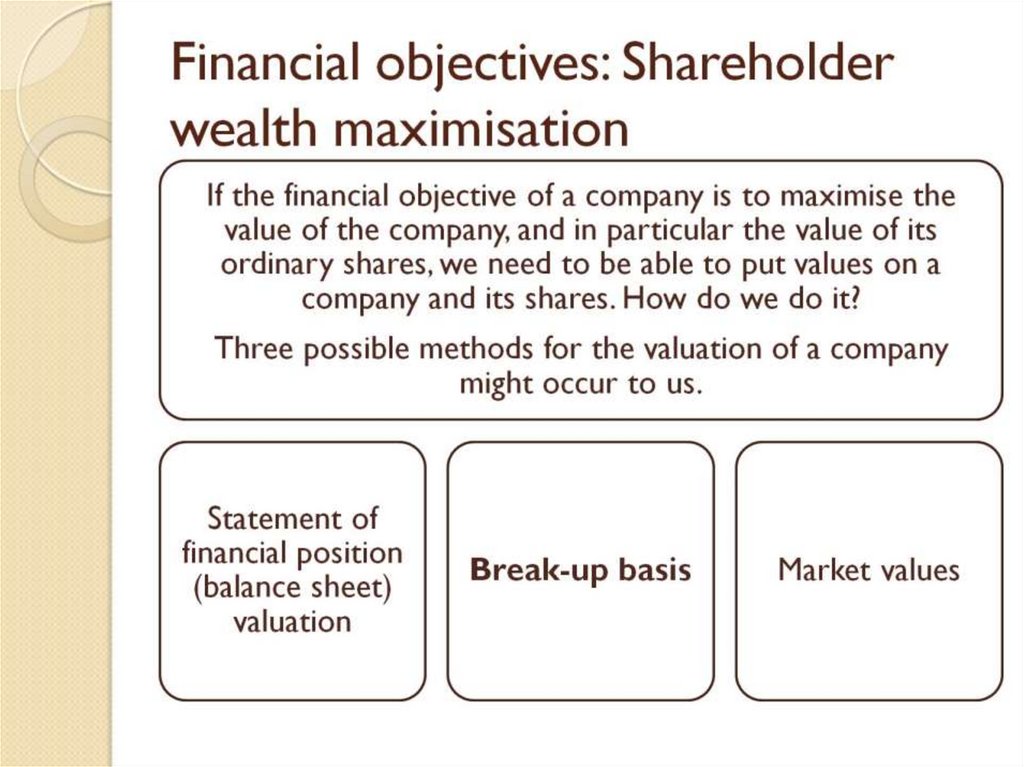
Financial objectives: Shareholder wealth maximisation
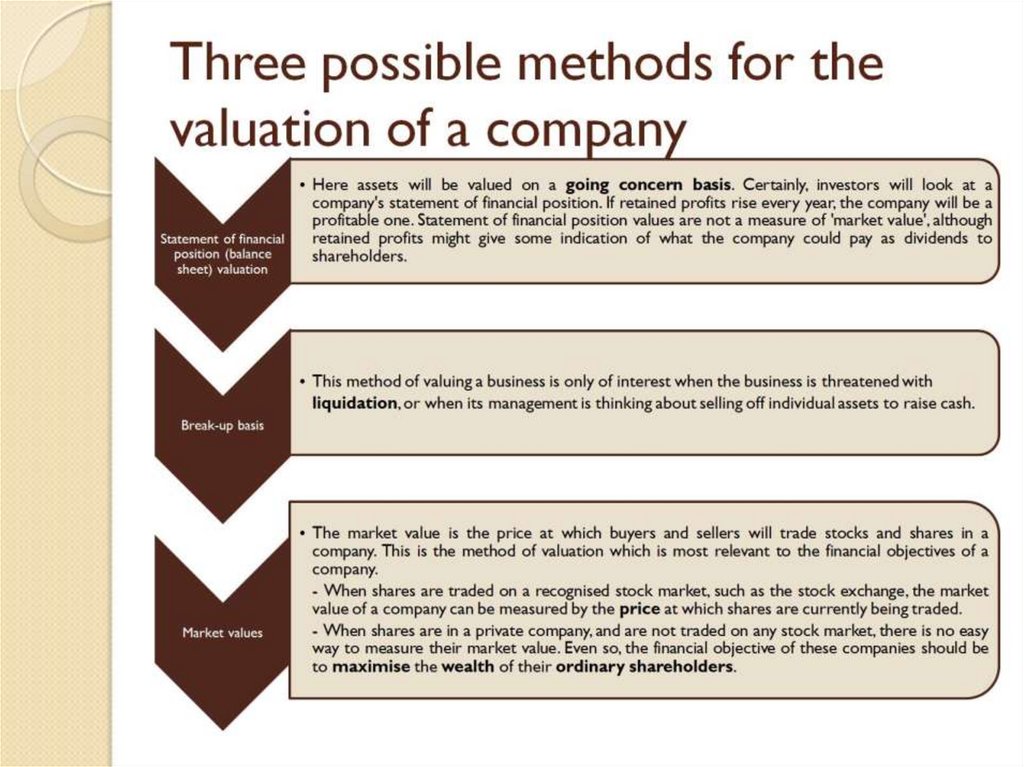
Three possible methods for the valuation of a company
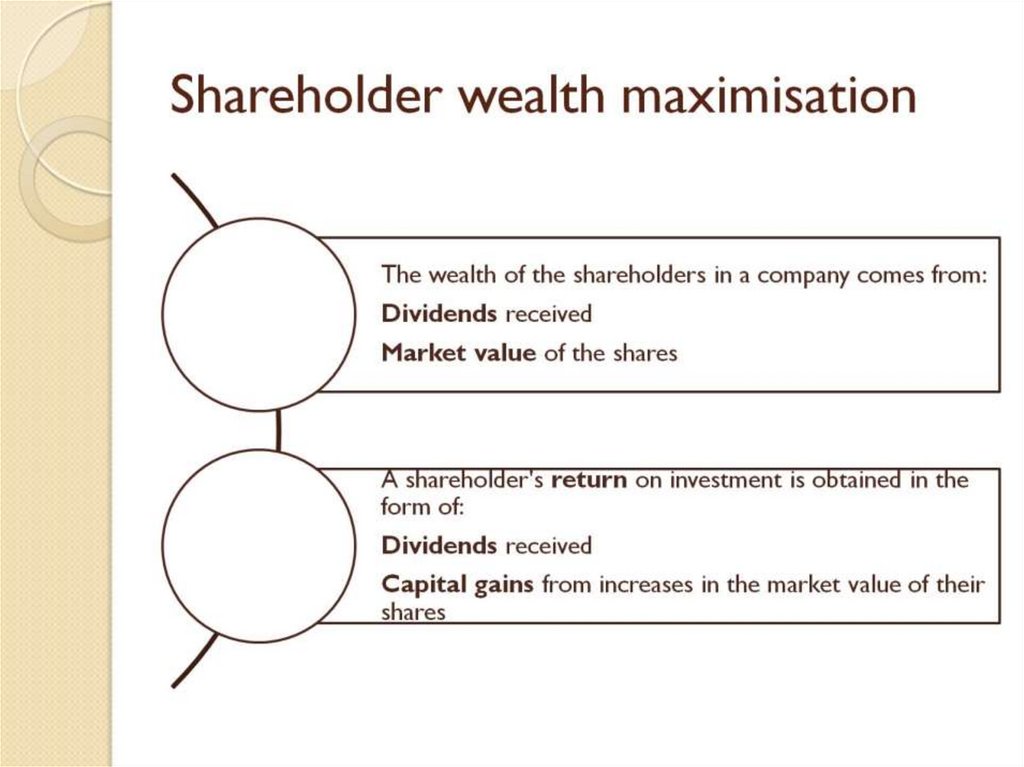
Shareholder wealth maximisation
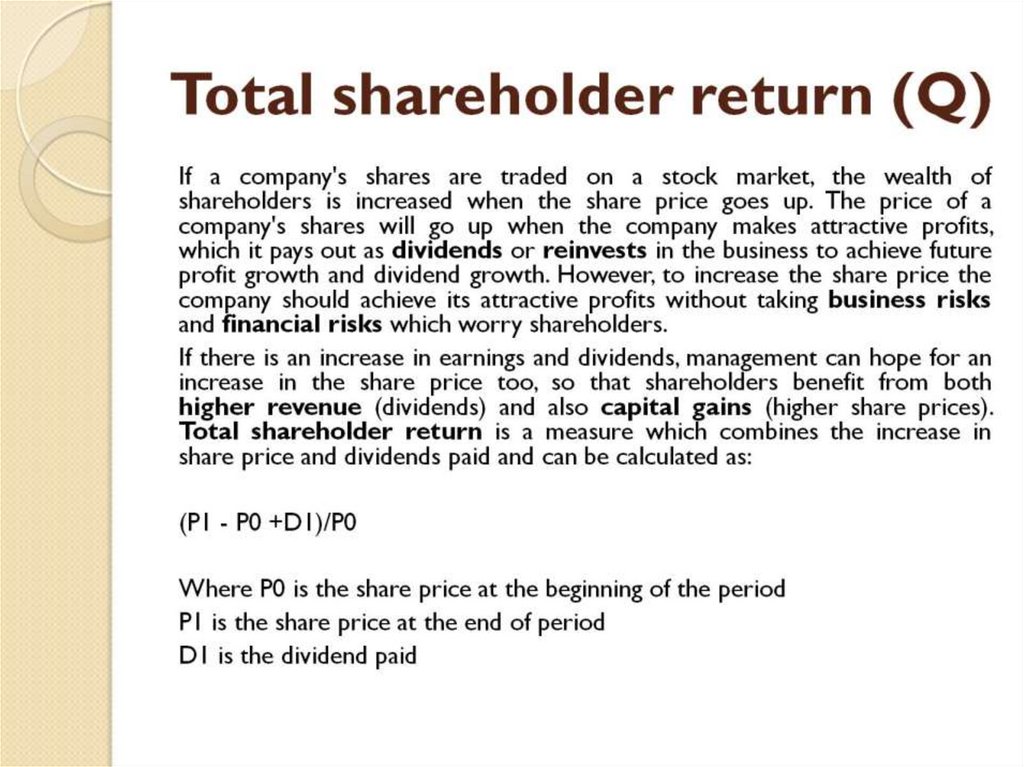
Total shareholder return (Q)
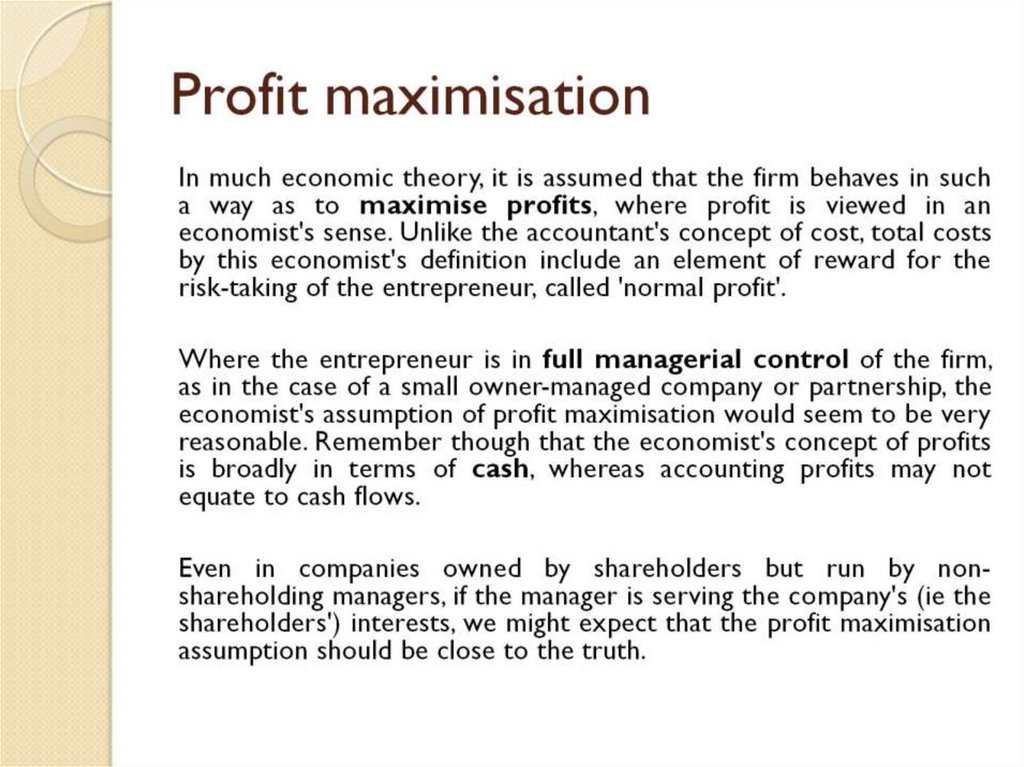
Profit maximisation
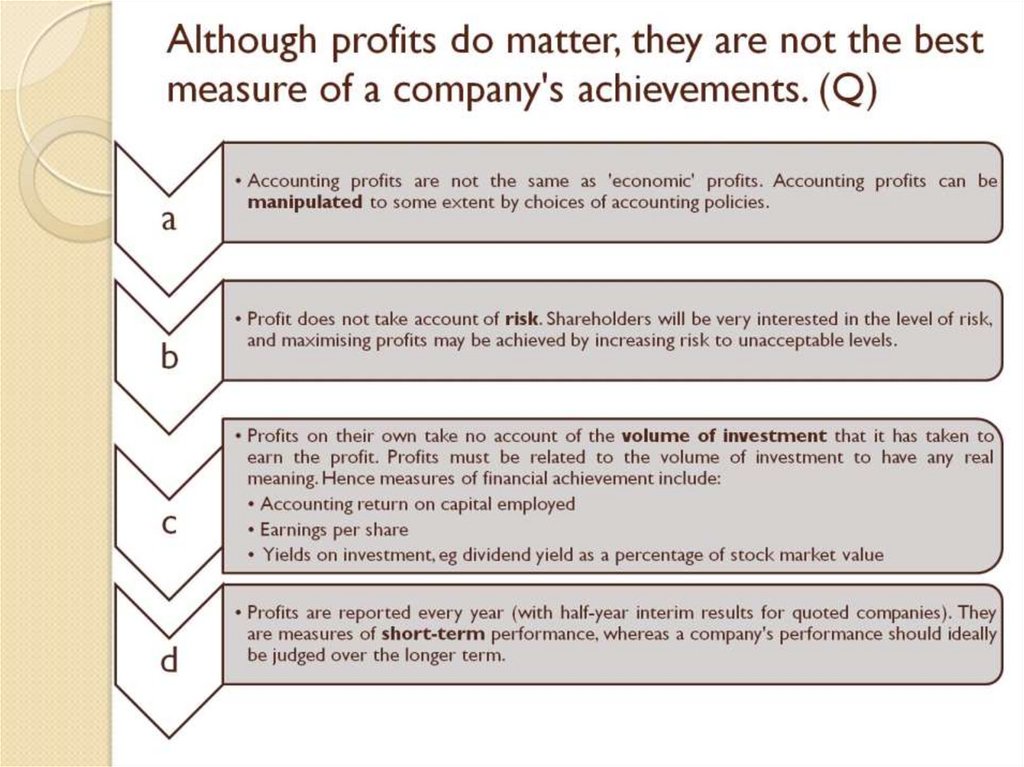
Although profits do matter, they are not the best measure of a company's achievements. (Q)
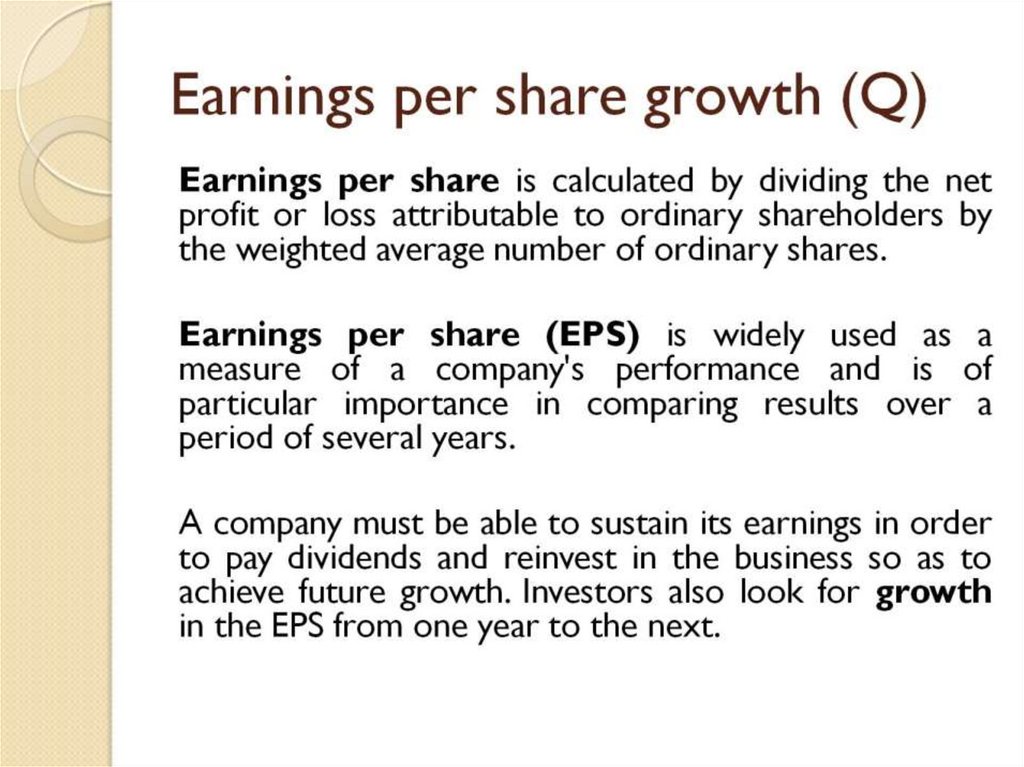
Earnings per share growth (Q)
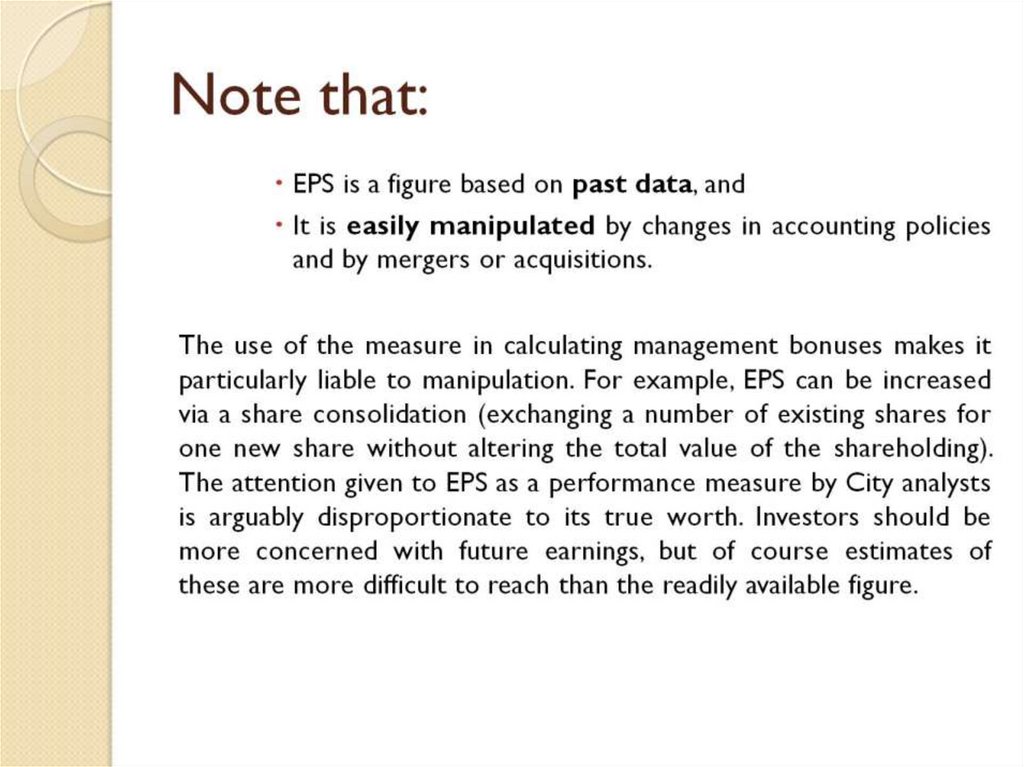
Note that:
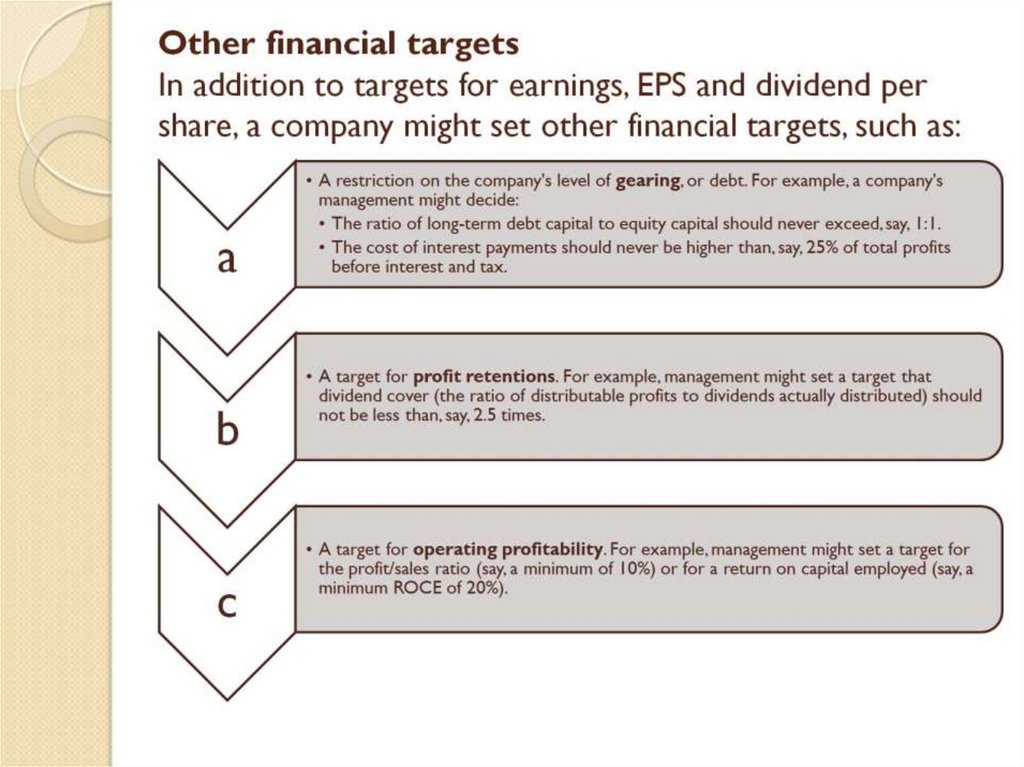
Other financial targets In addition to targets for earnings, EPS and dividend per share, a company might set other financial
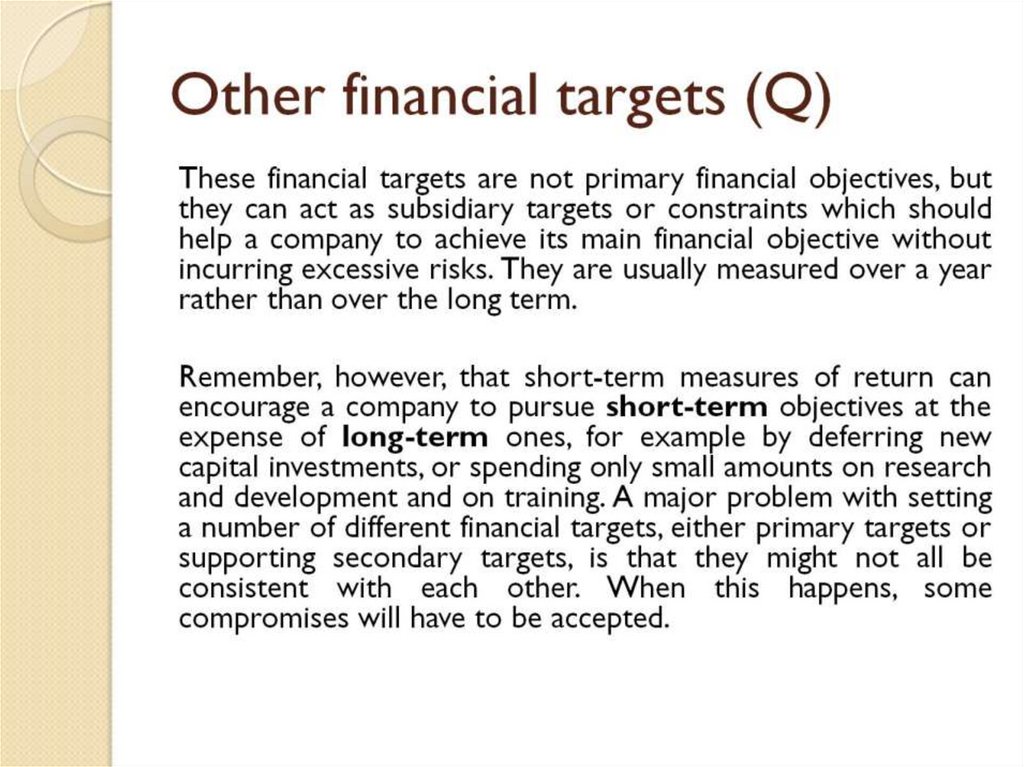
Other financial targets (Q)
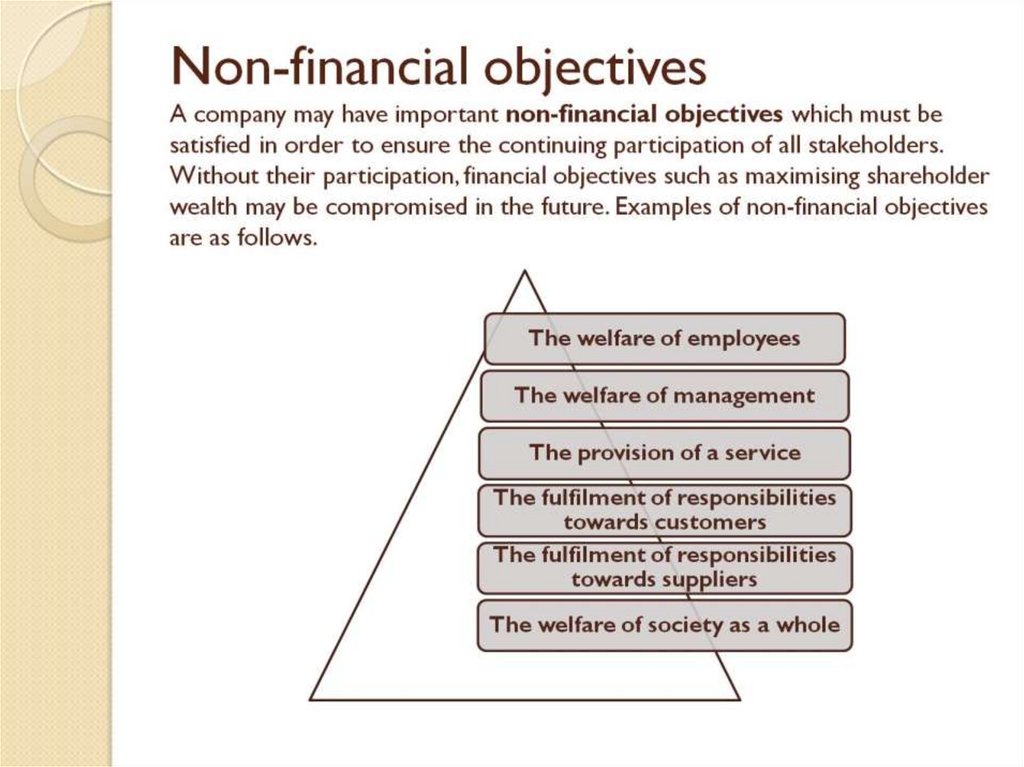
Non-financial objectives A company may have important non-financial objectives which must be satisfied in order to ensure the
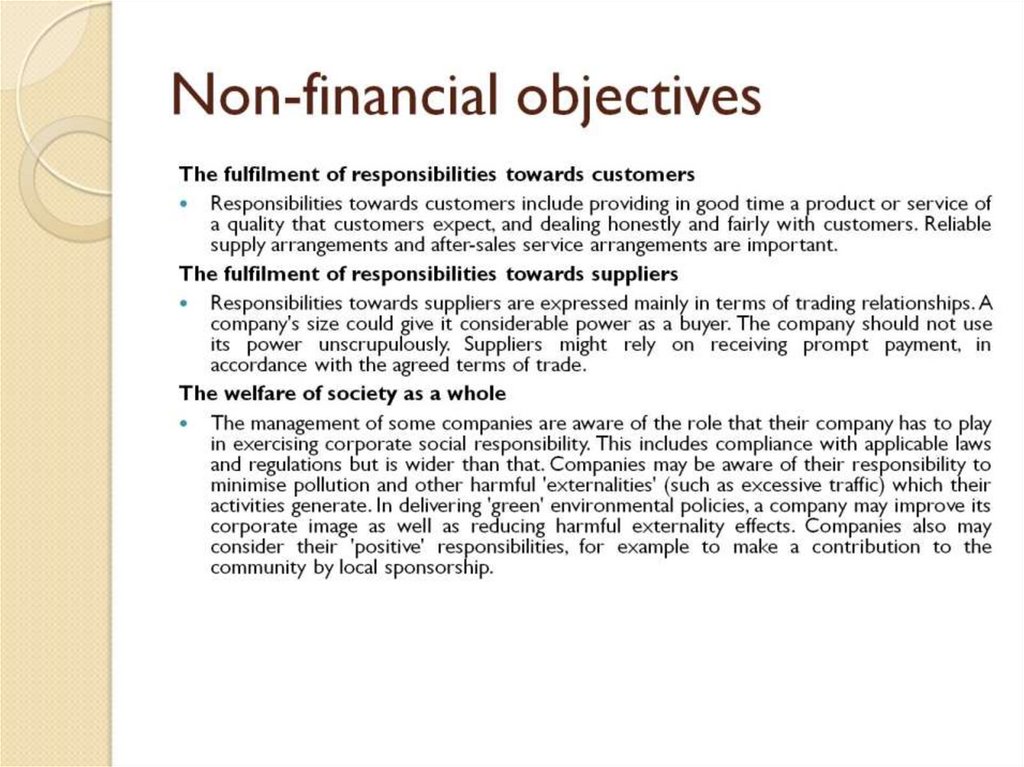
Non-financial objectives
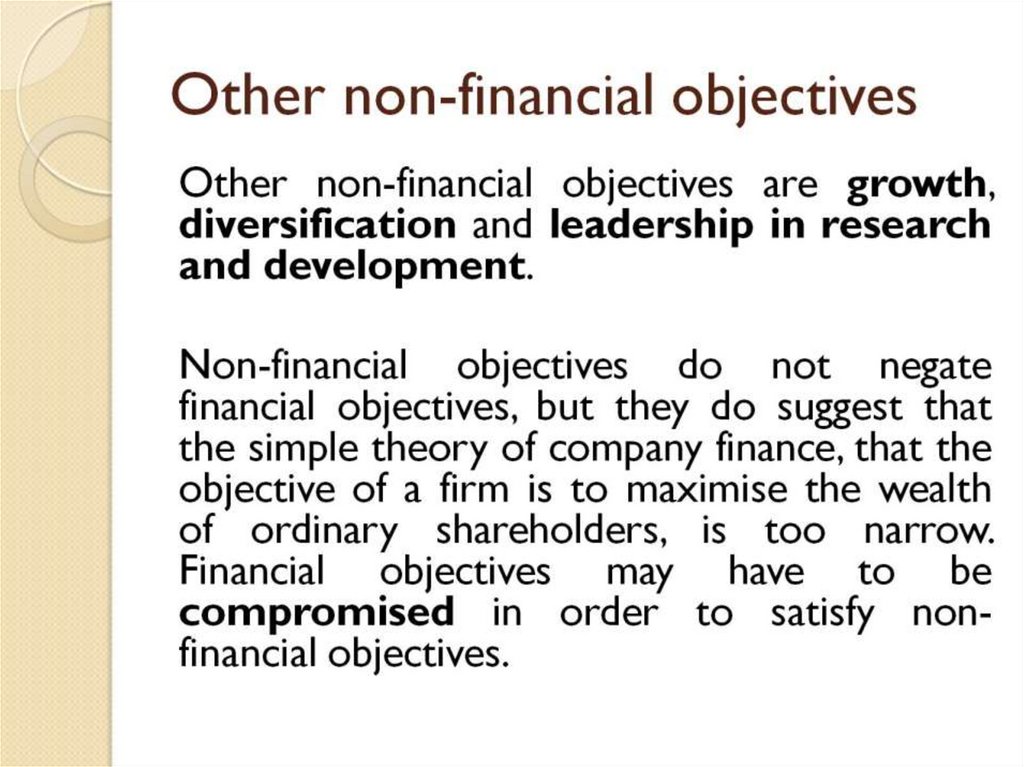
Other non-financial objectives
Stakeholders and impact on corporate objectives
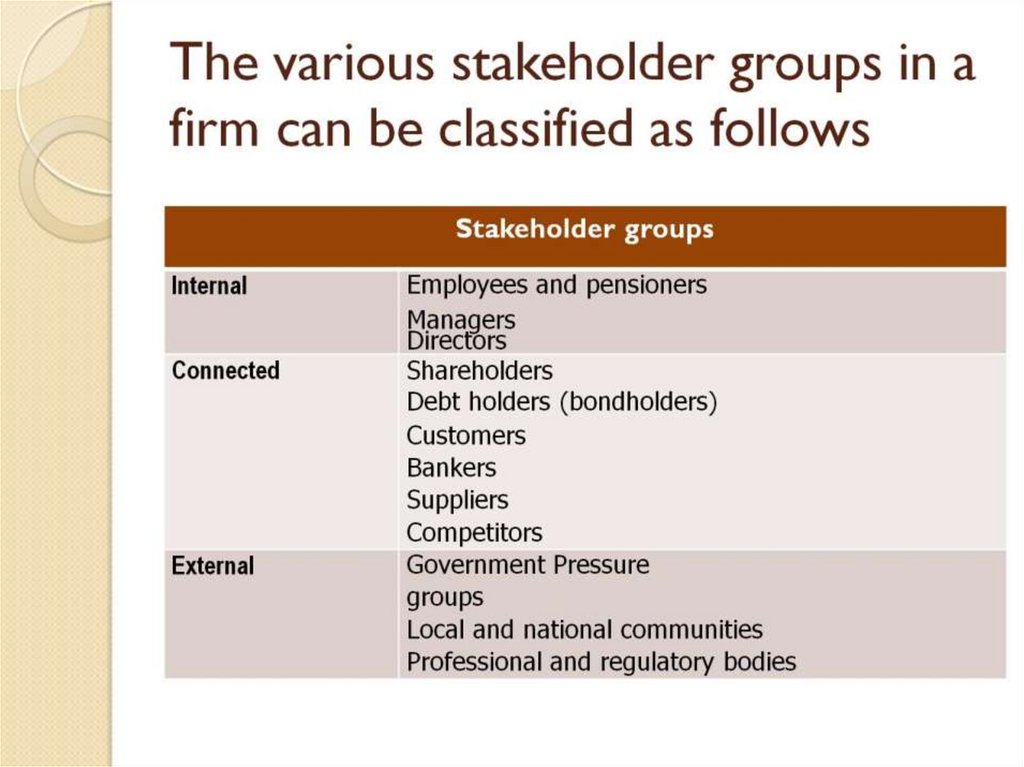
Stakeholders
The various stakeholder groups in a firm can be classified as follows
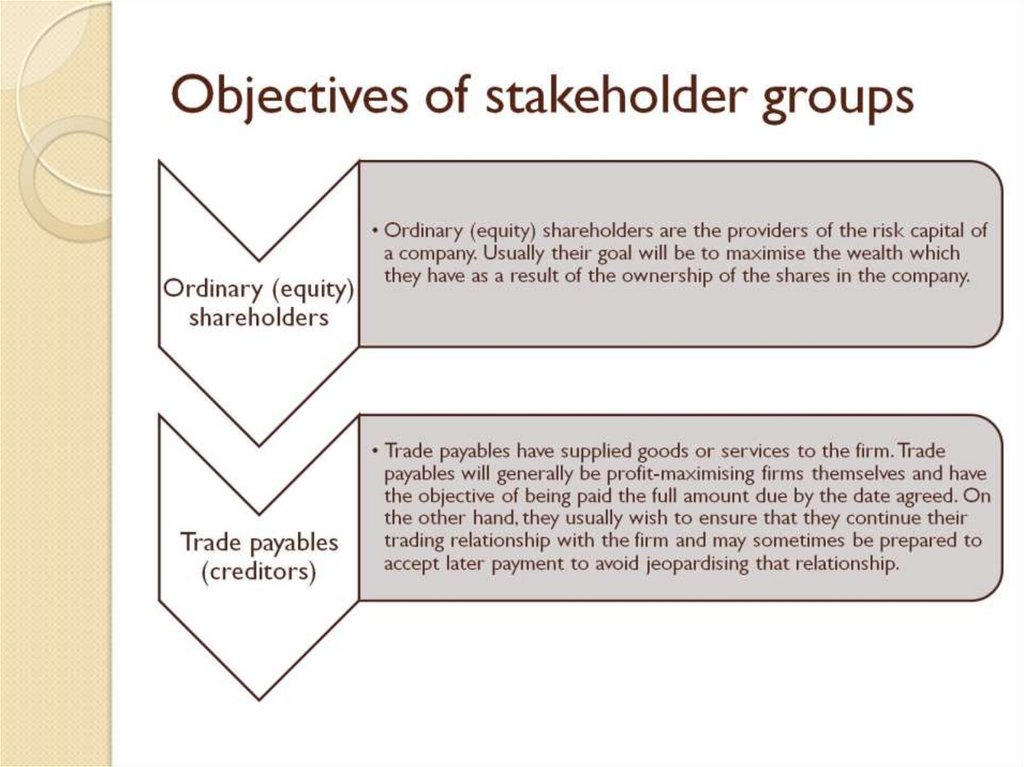
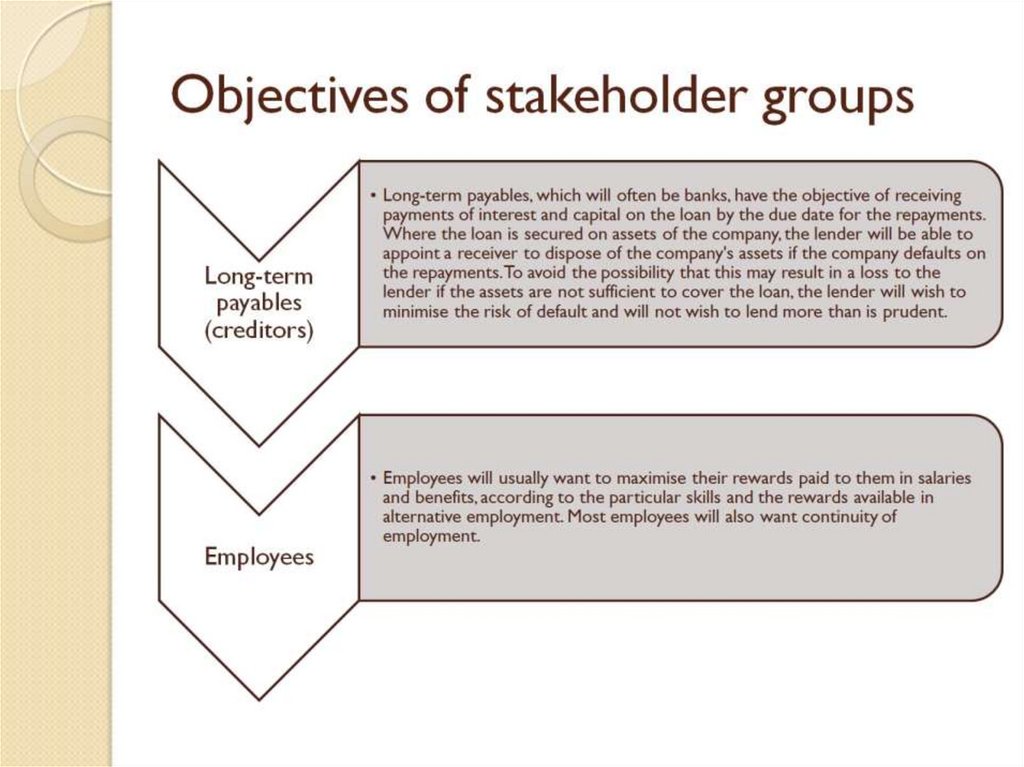
Objectives of stakeholder groups
Stakeholder groups, strategy and objectives
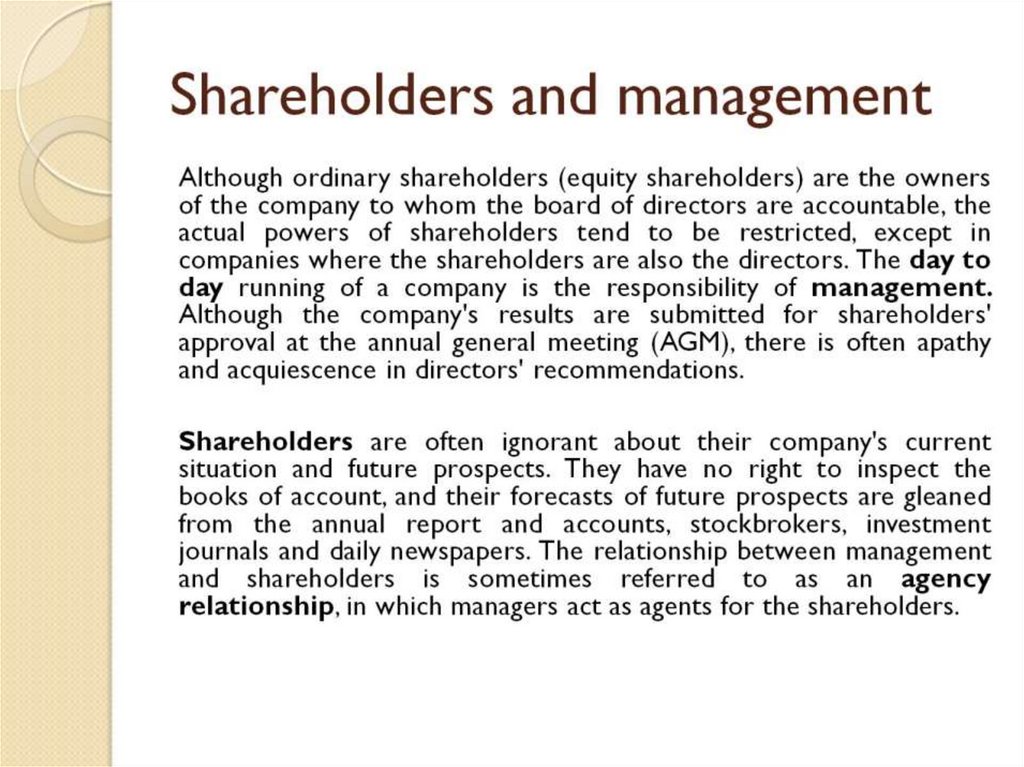
Shareholders and management
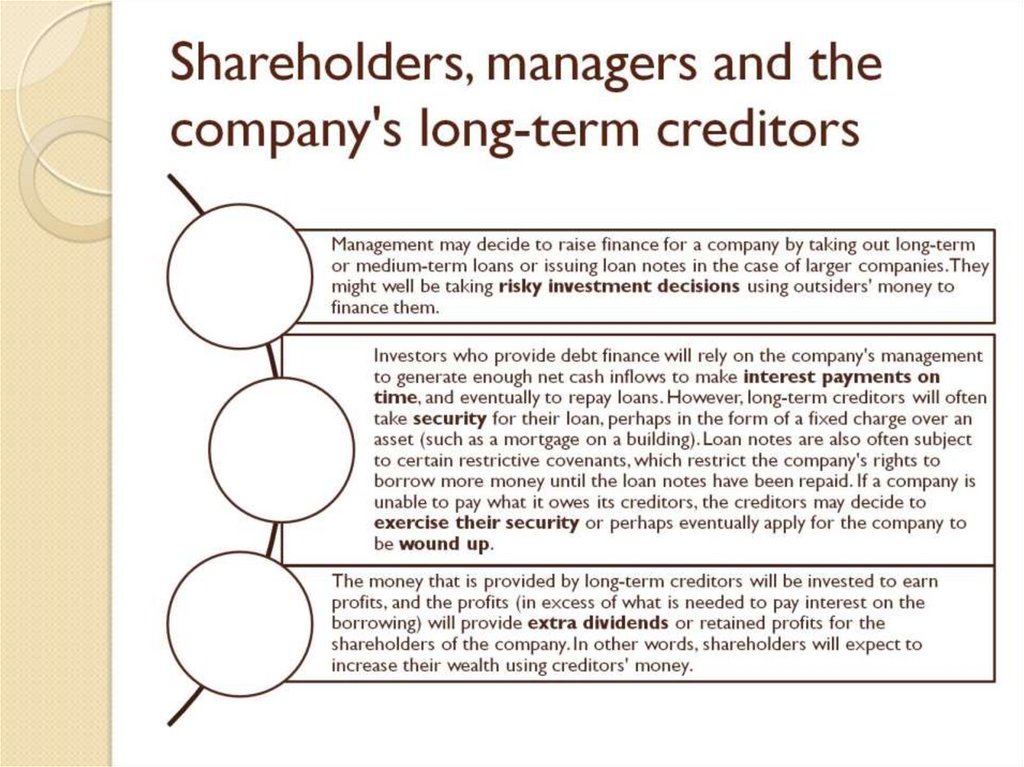
Shareholders, managers and the company's long-term creditors
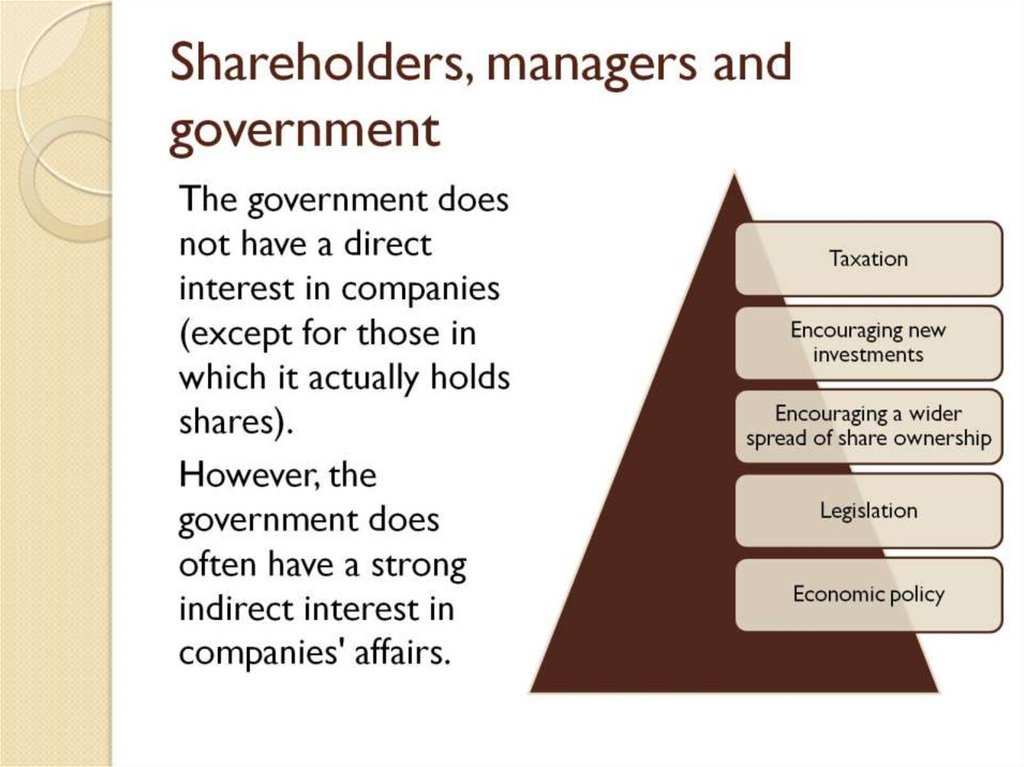
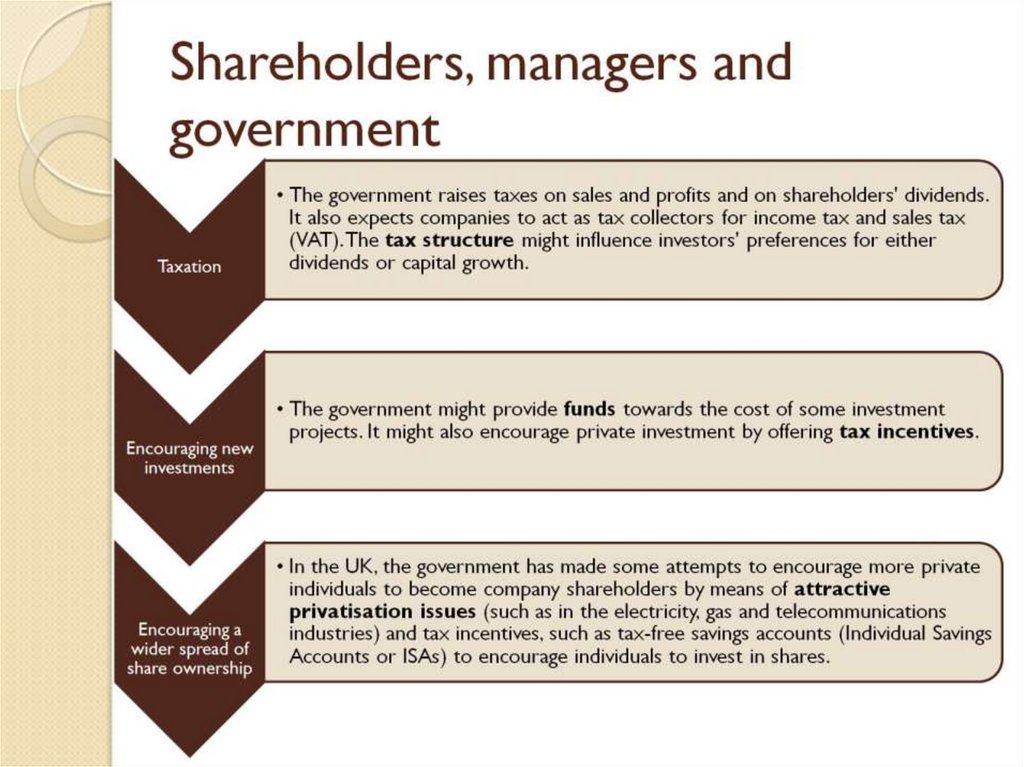
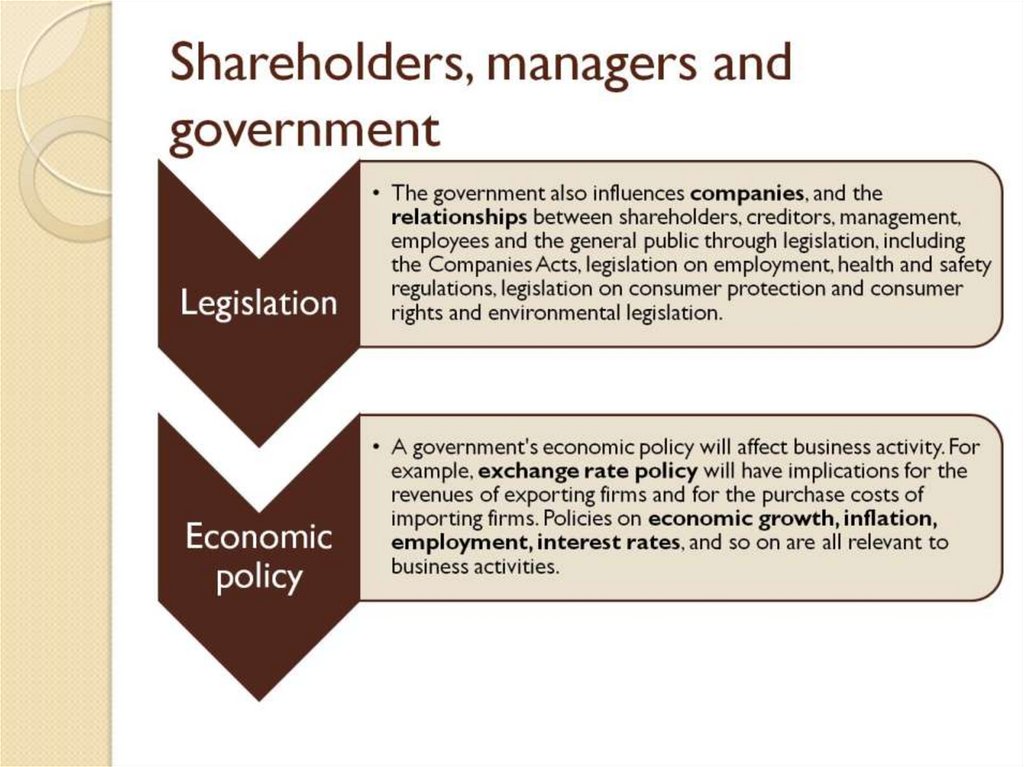
Shareholders, managers and government
Measuring the achievement of corporate objectives
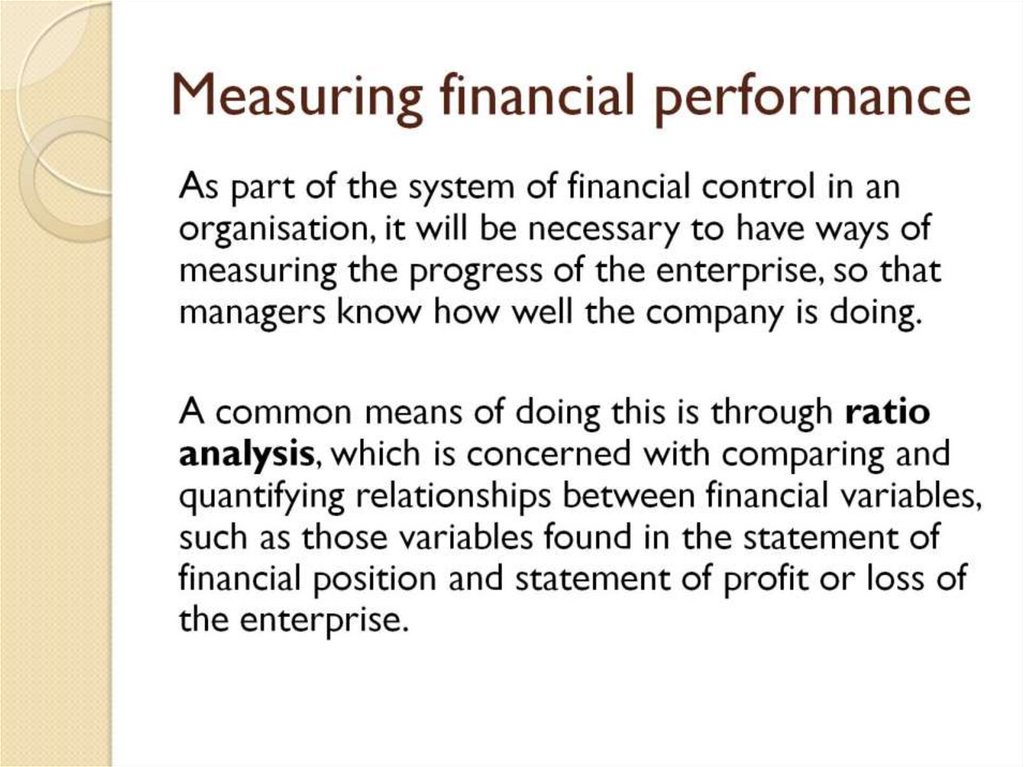
Measuring financial performance
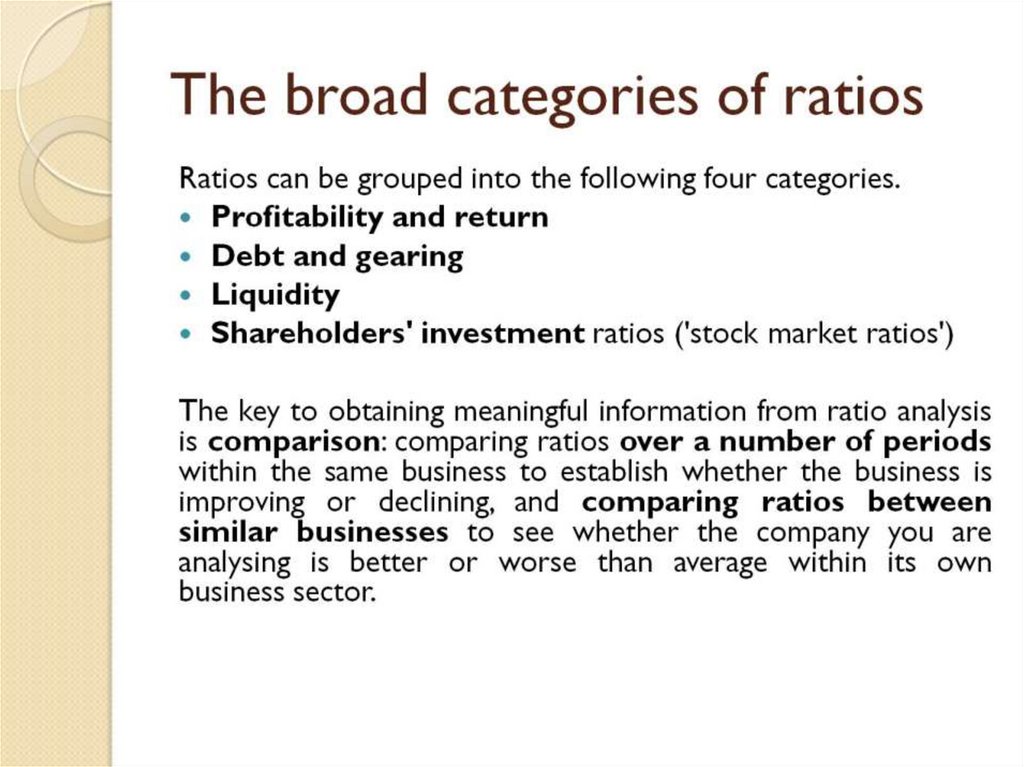
The broad categories of ratios
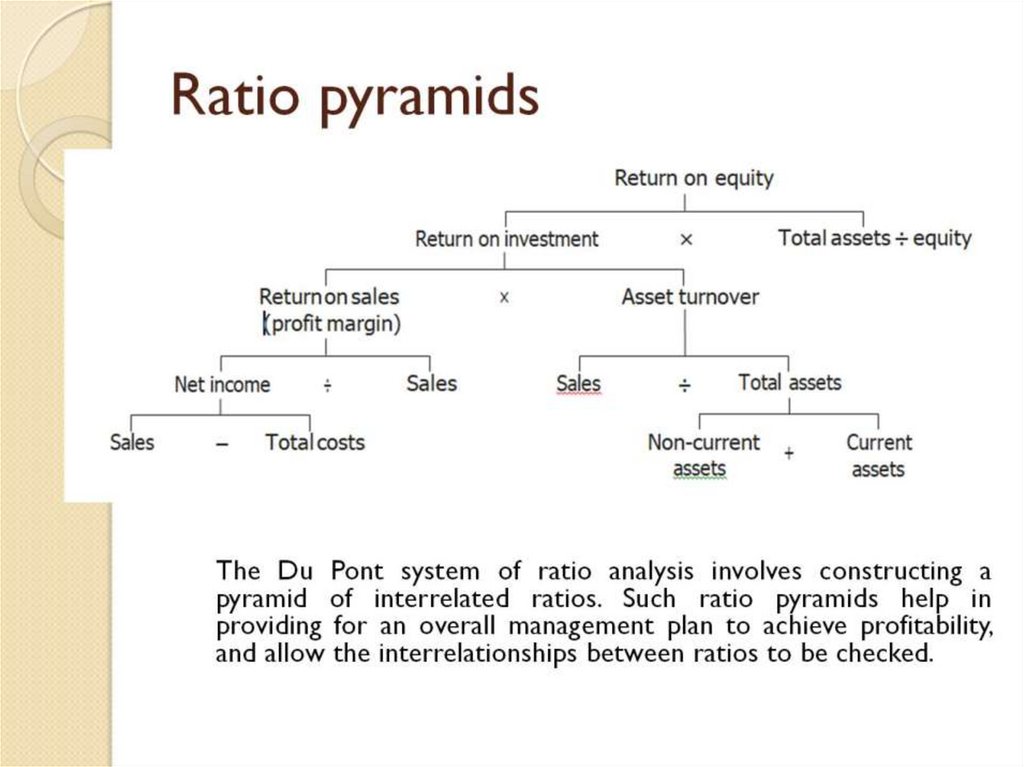
Ratio pyramids
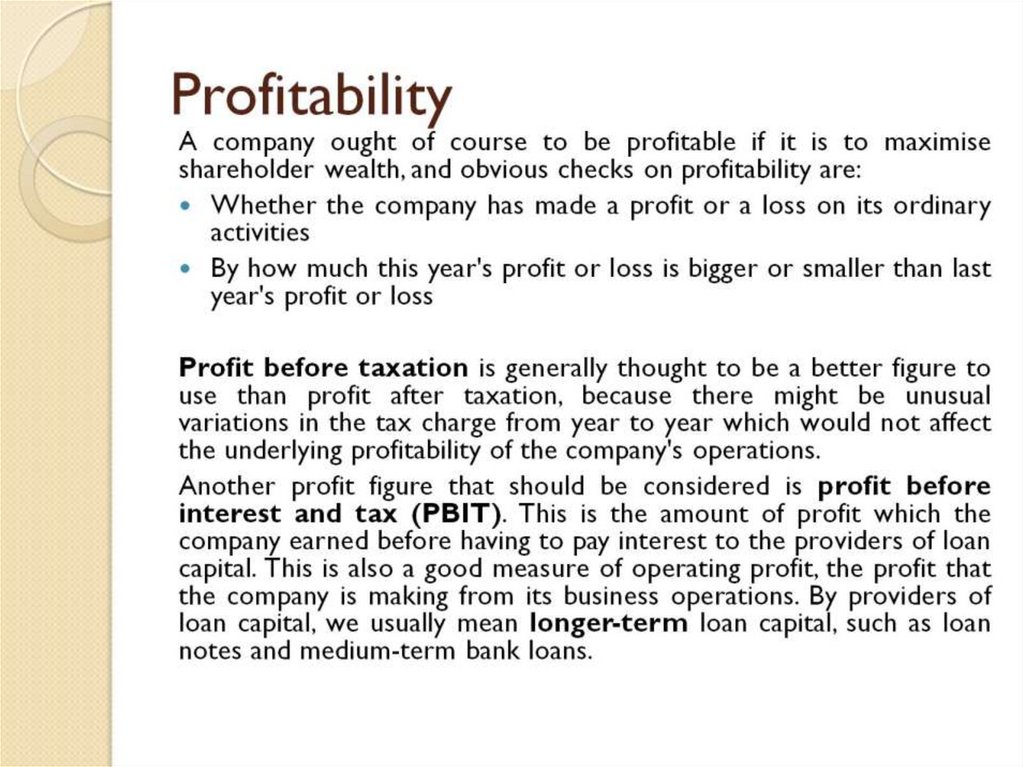
Profitability
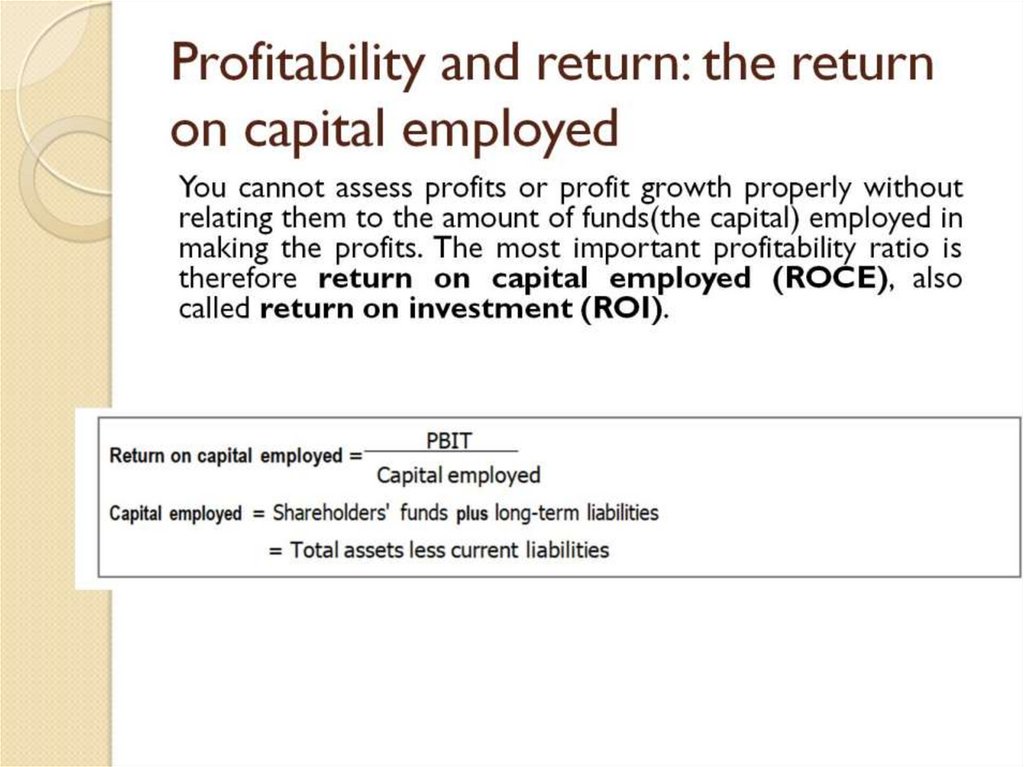
Profitability and return: the return on capital employed
Evaluating the ROCE
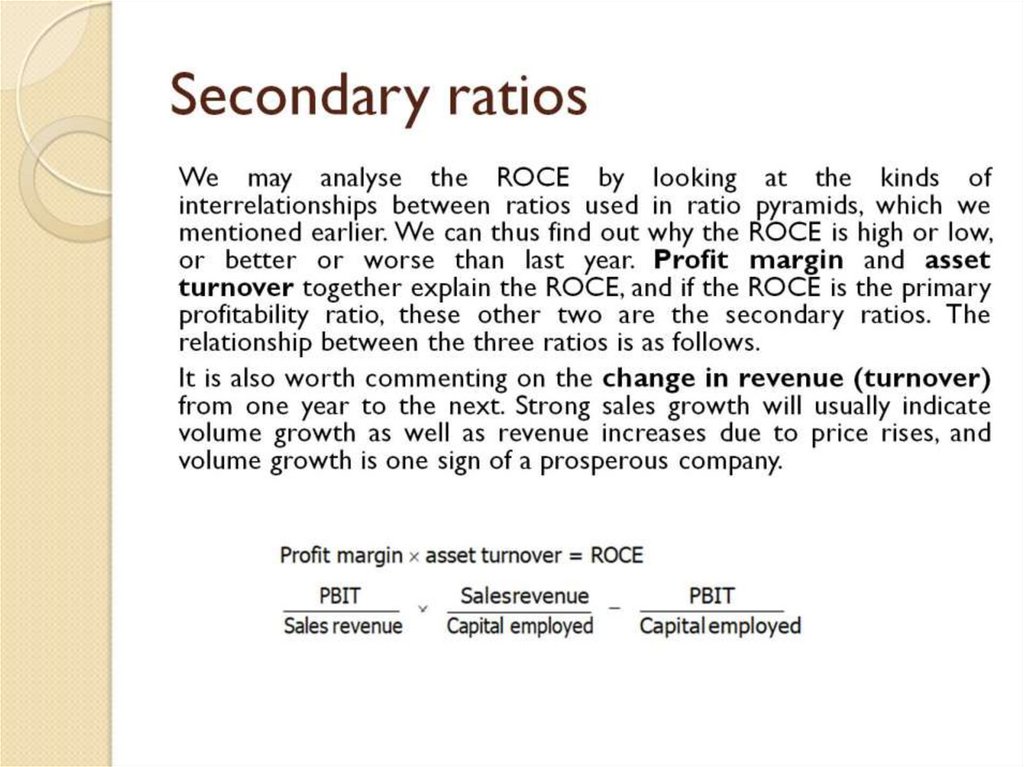
Secondary ratios
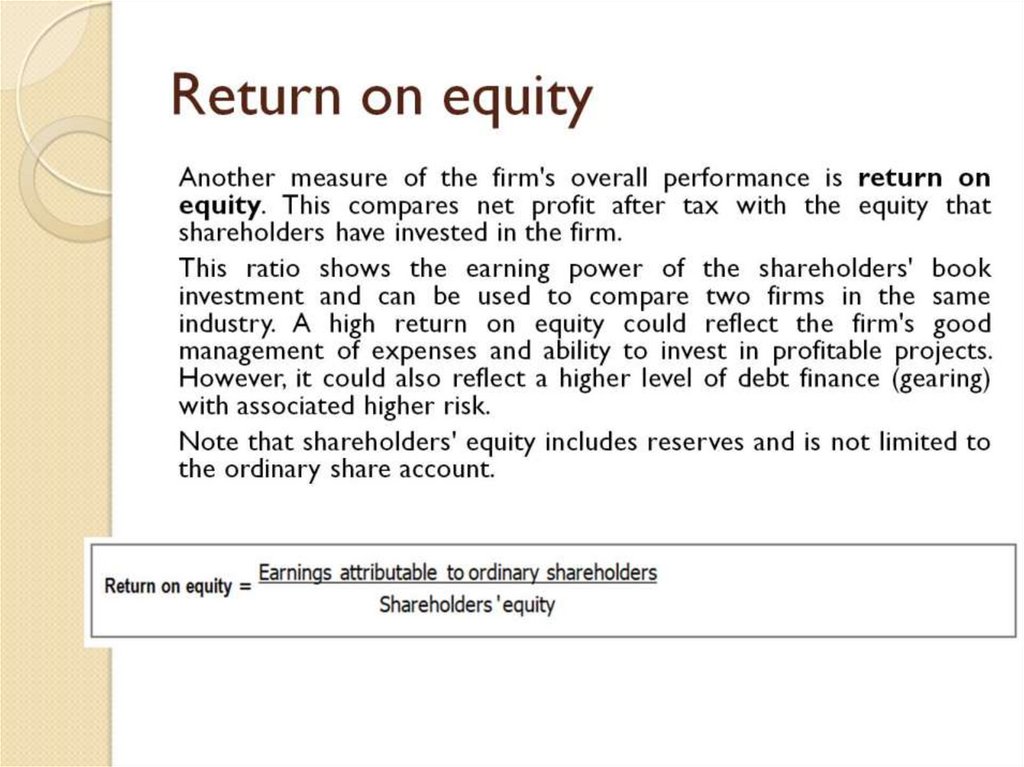
Return on equity
Gross profit margin, the net profit margin and profit analysis (Q)
Debt and gearing ratios
Shareholders' investment ratios
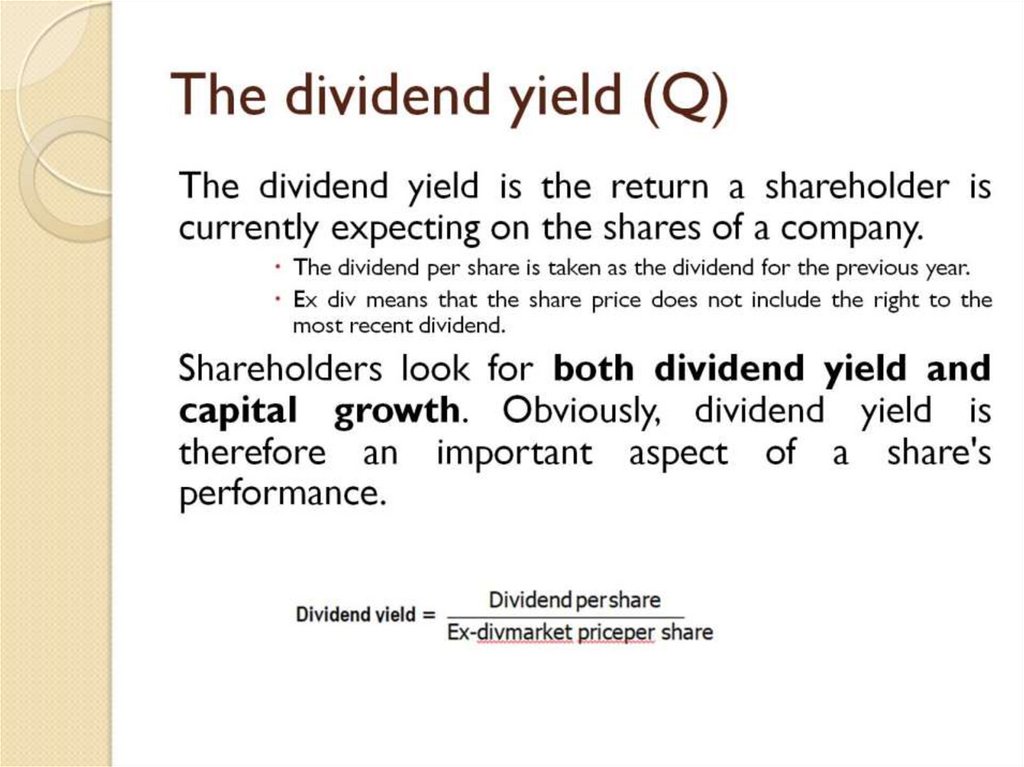
The dividend yield (Q)
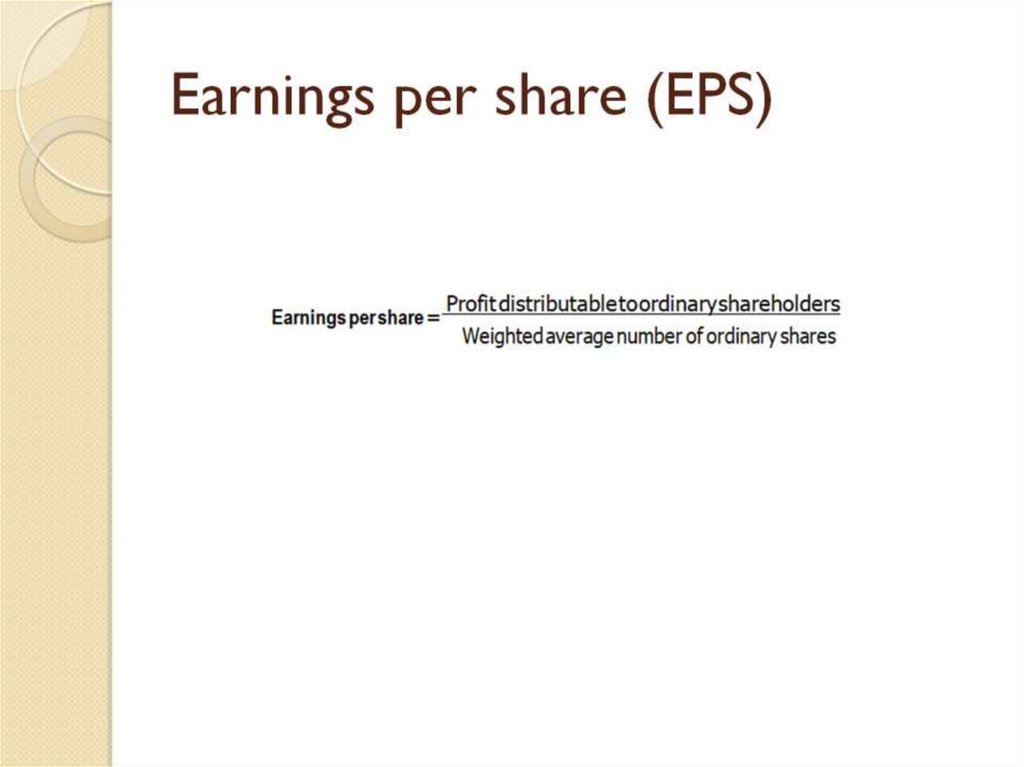
Earnings per share (EPS)
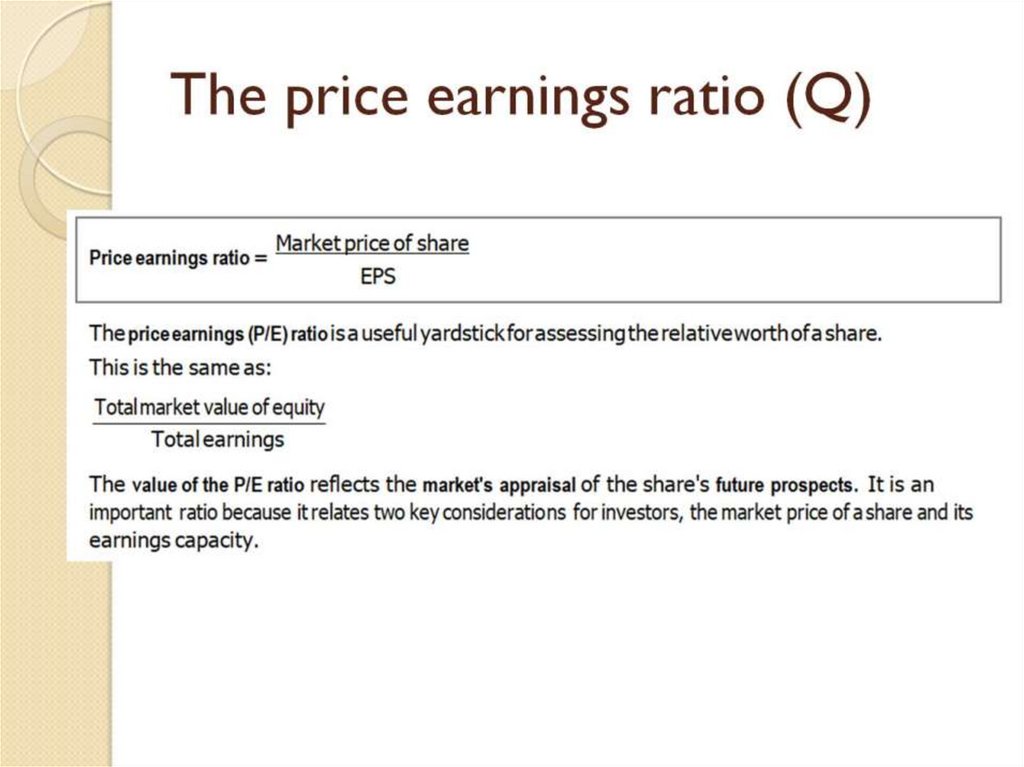
The price earnings ratio (Q)
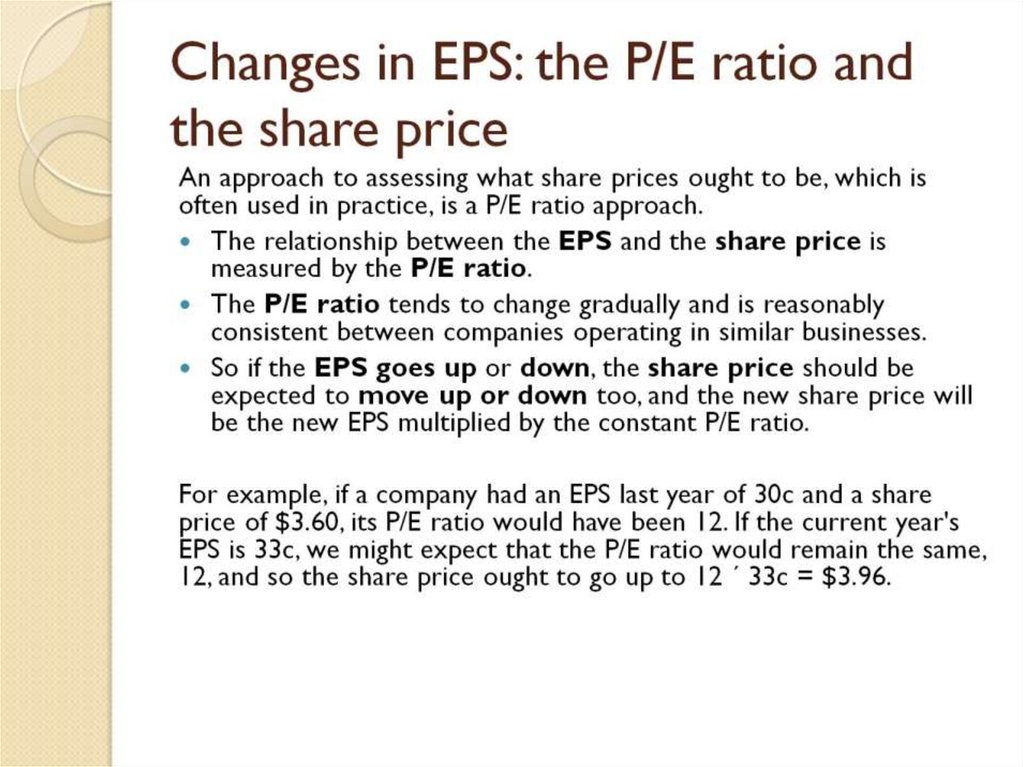
Changes in EPS: the P/E ratio and the share price
Encouraging the achievement of stakeholder objectives
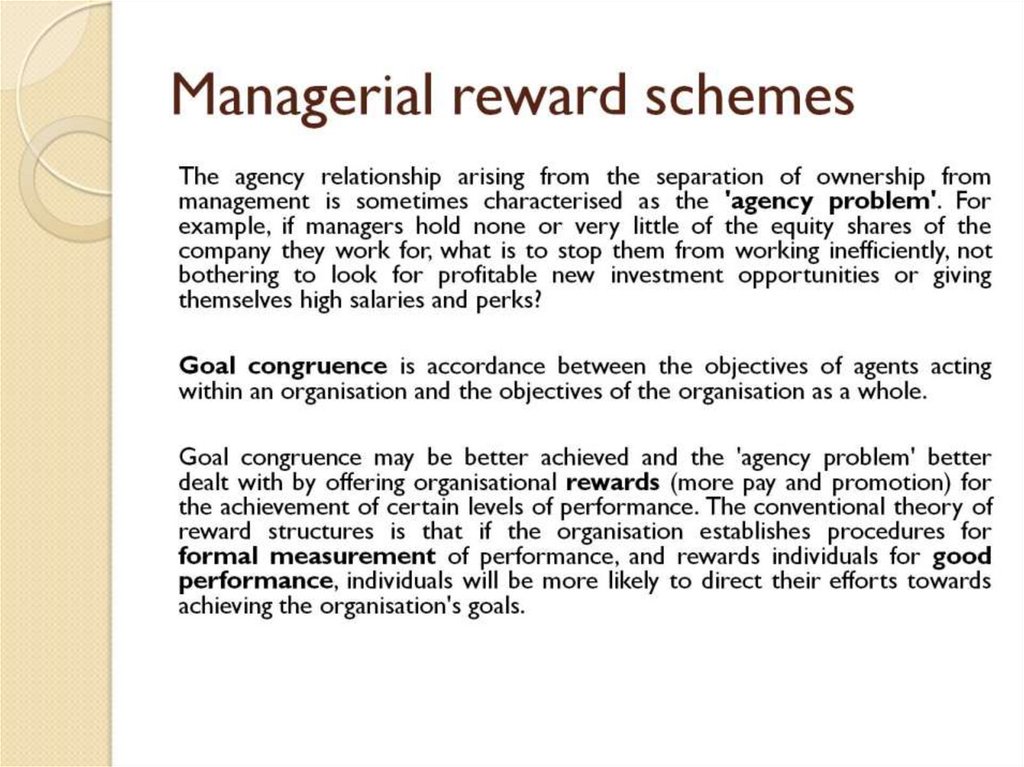
Managerial reward schemes
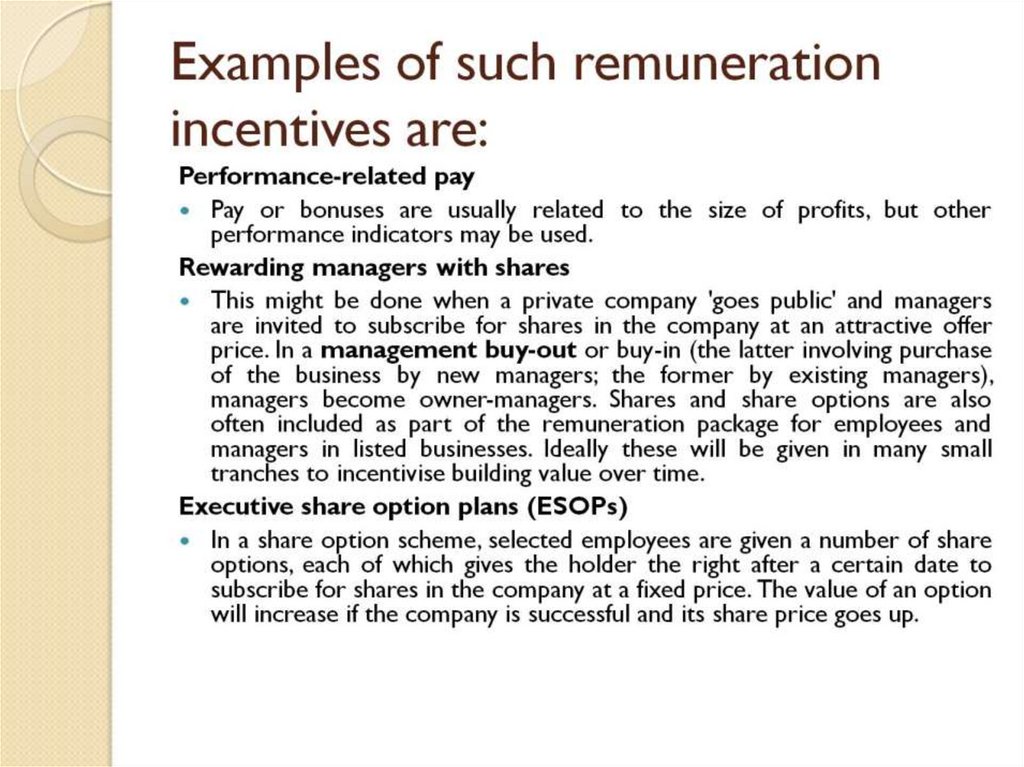
Examples of such remuneration incentives are:
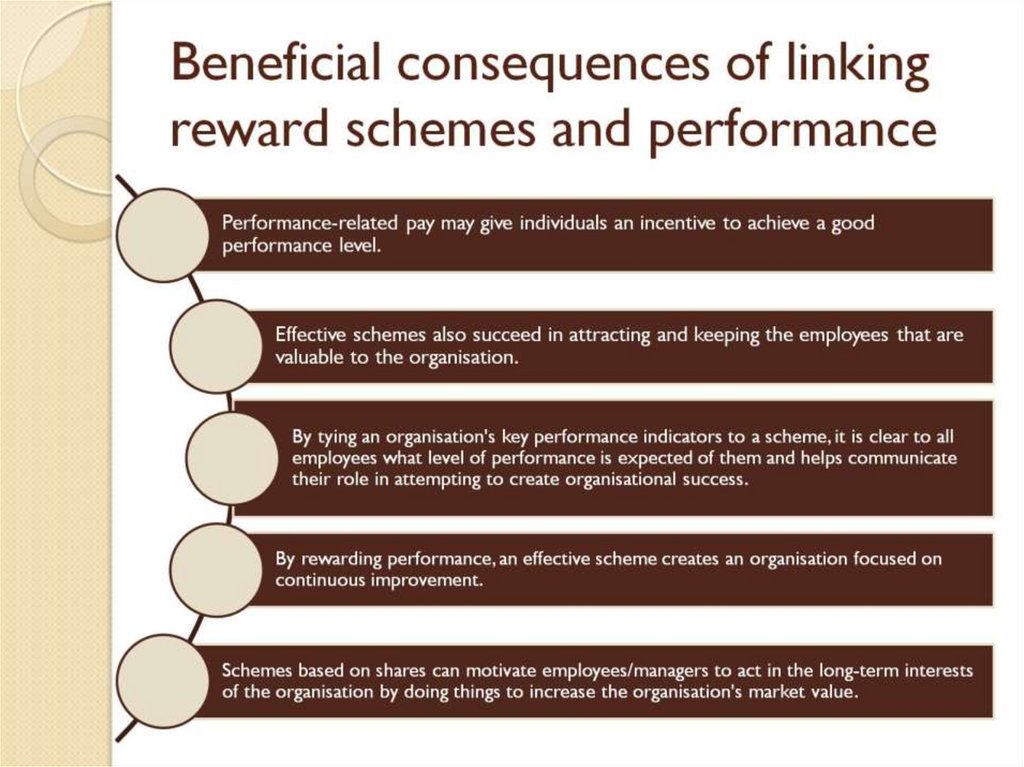
Beneficial consequences of linking reward schemes and performance
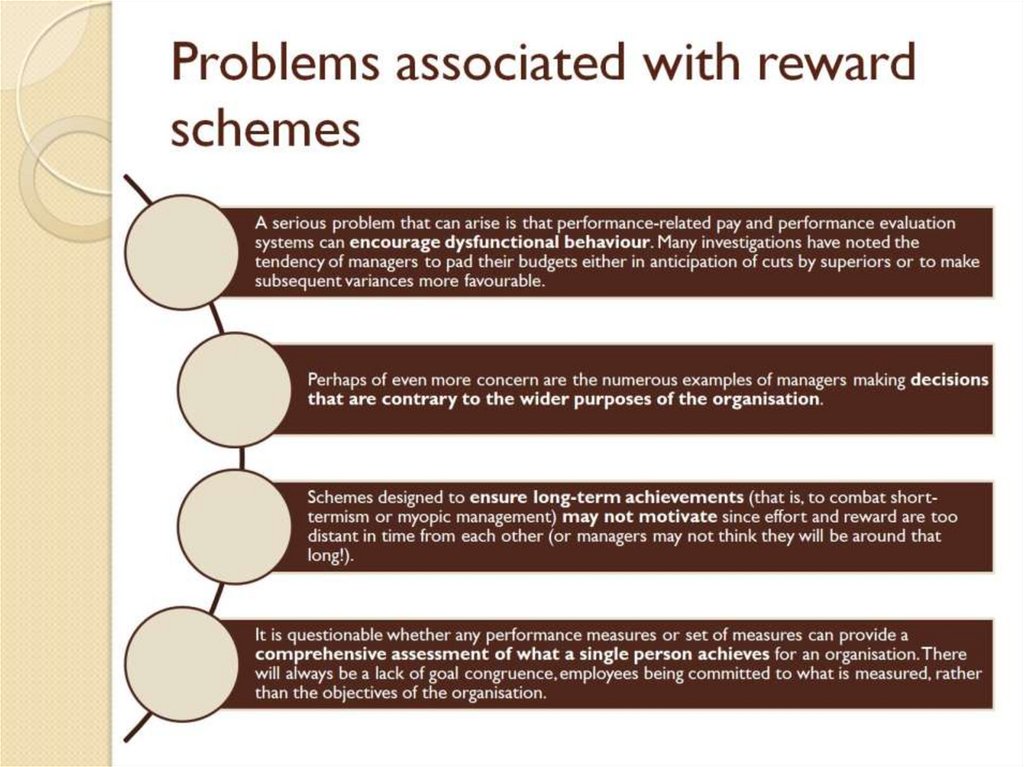
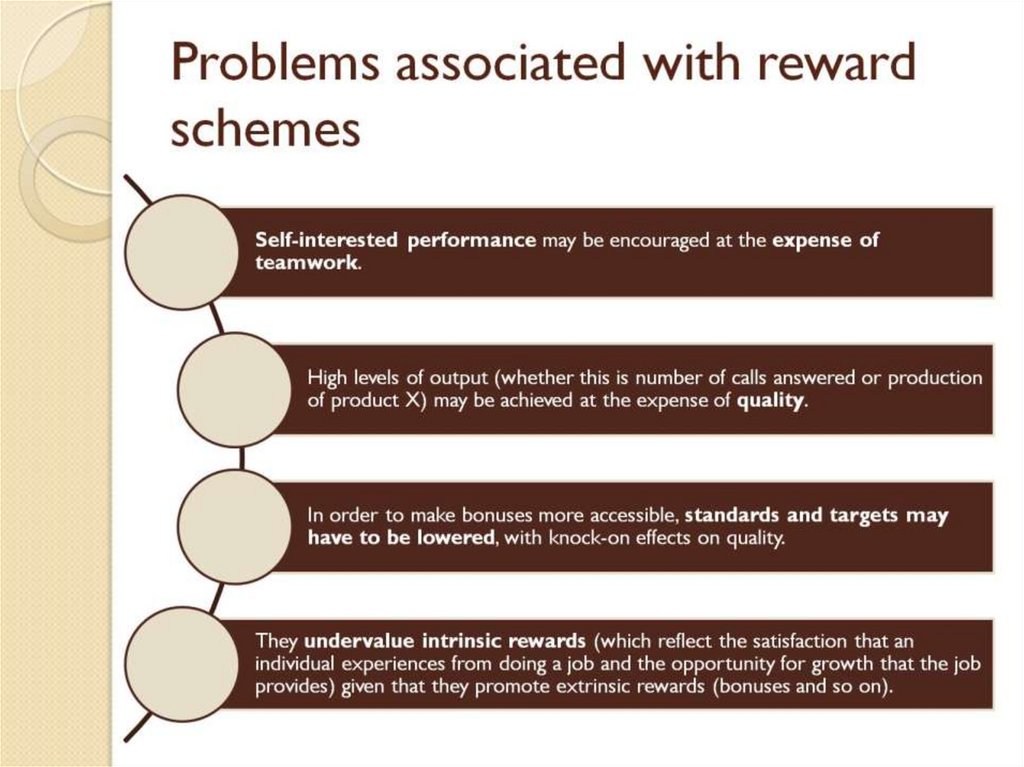
Problems associated with reward schemes
Regulatory requirements
Corporate governance
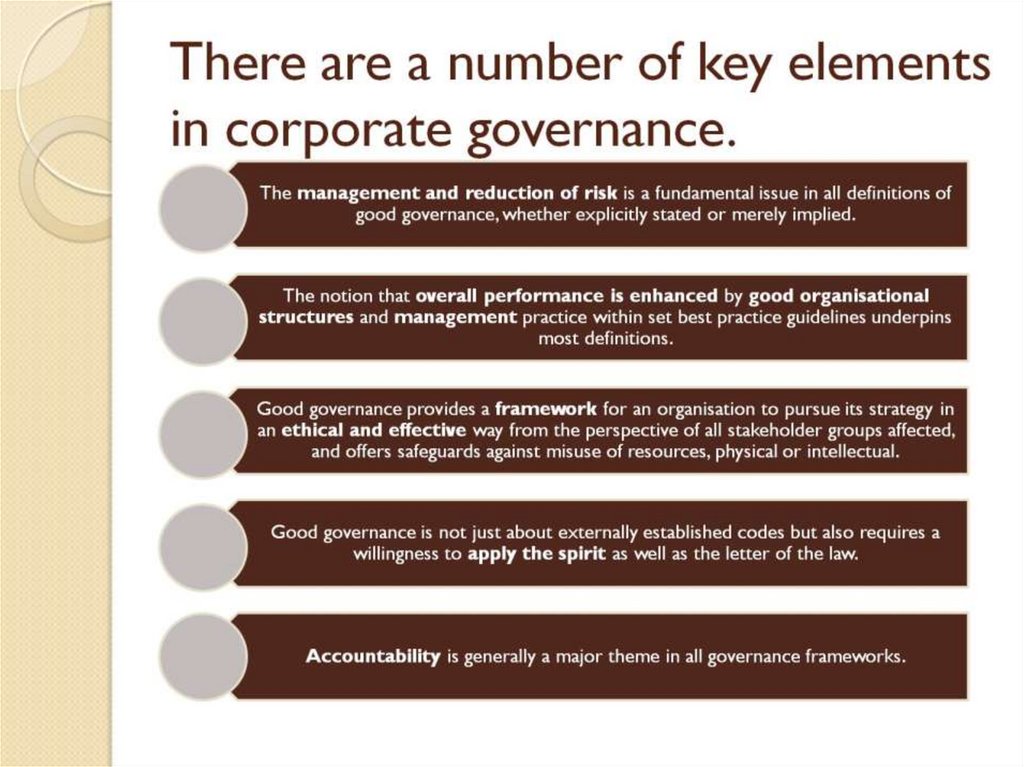
There are a number of key elements in corporate governance.
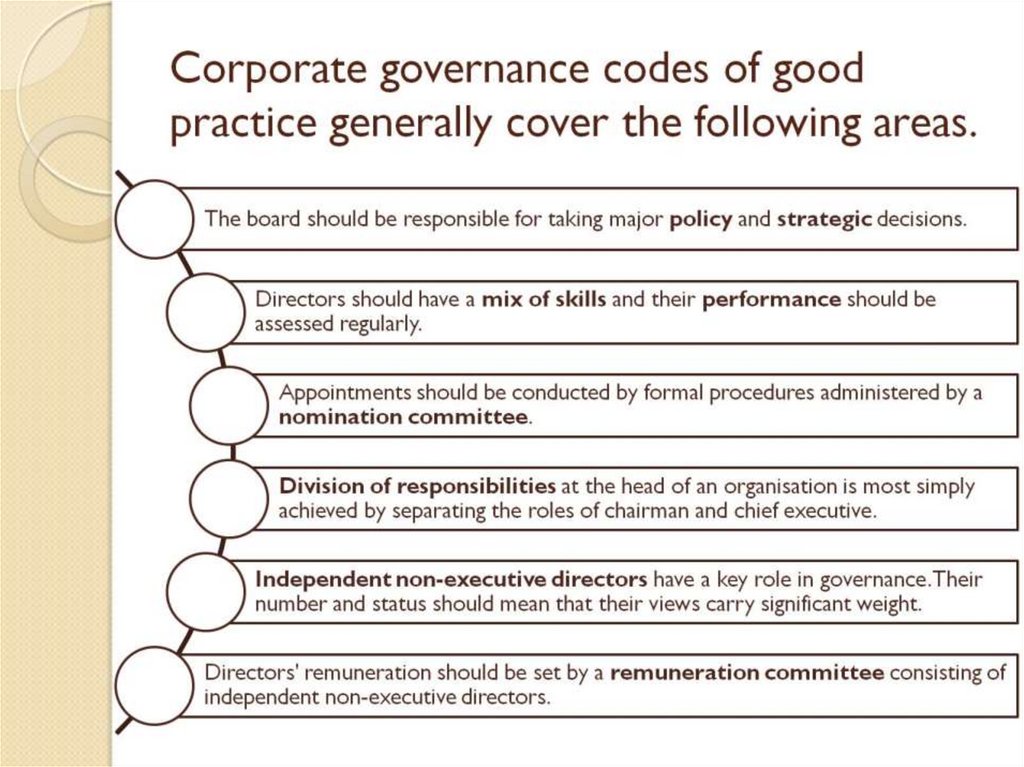
Corporate governance codes of good practice generally cover the following areas.
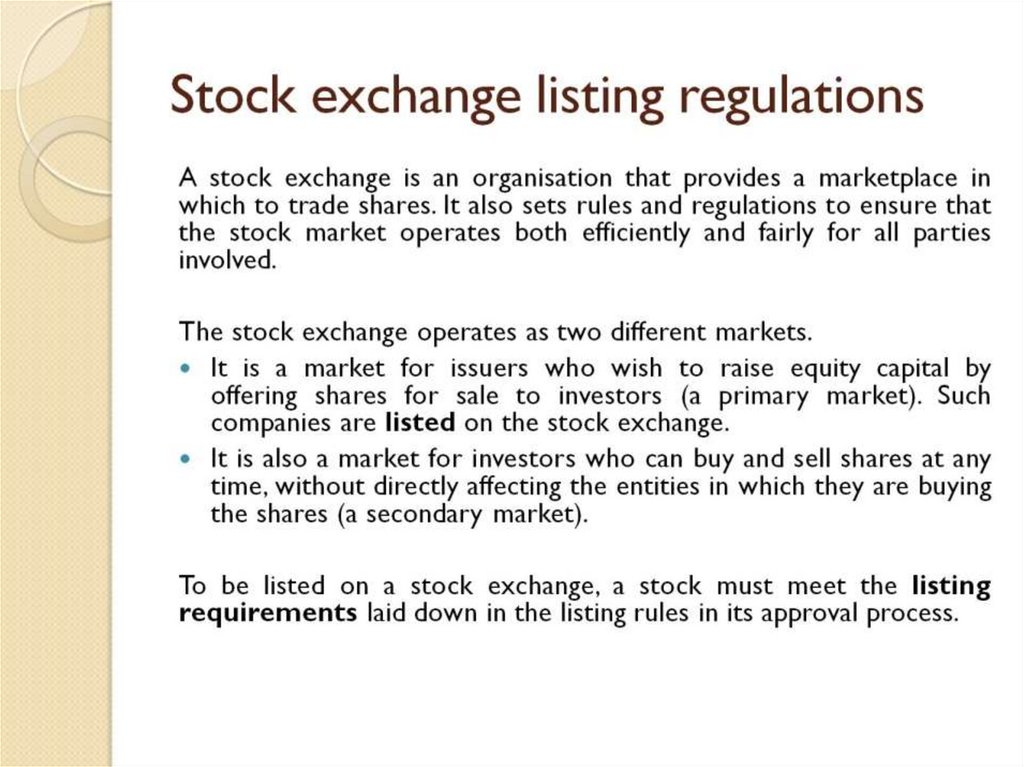
Stock exchange listing regulations
Financial and other objectives in not for profit organisations
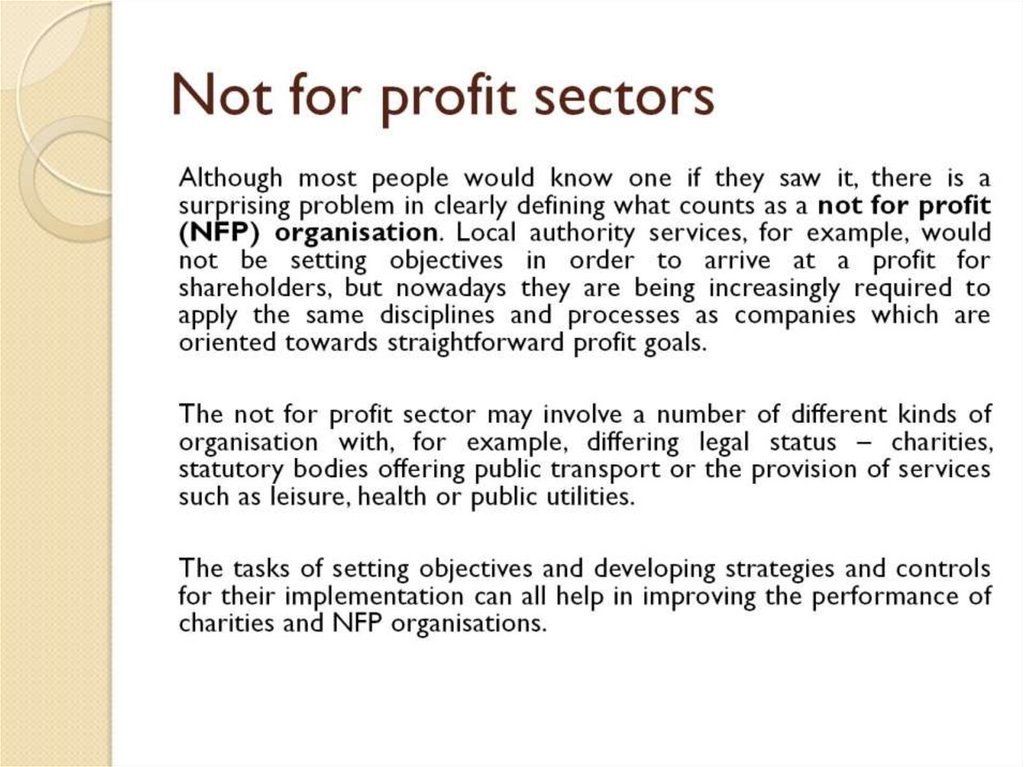
Not for profit sectors
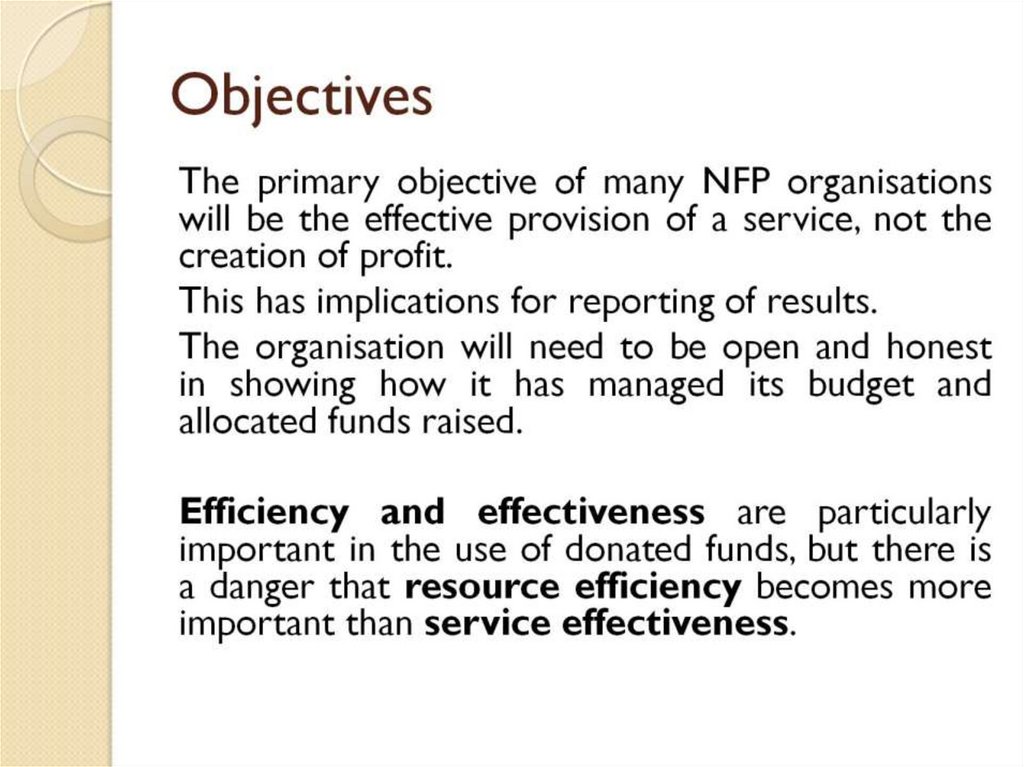
Objectives
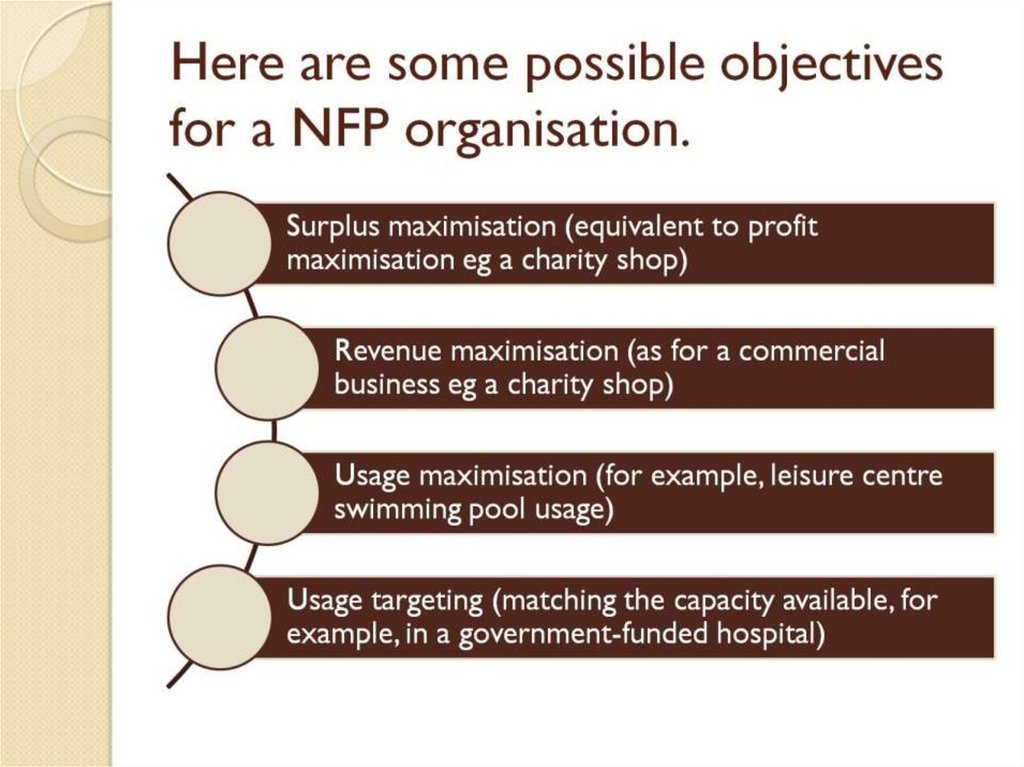
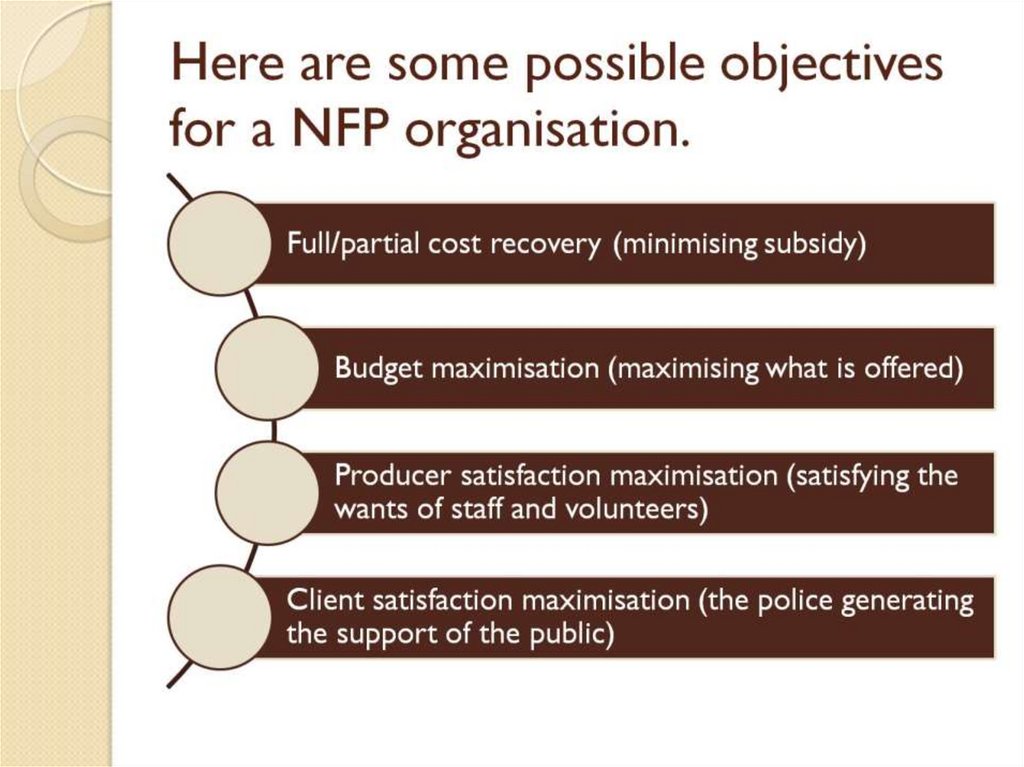
Here are some possible objectives for a NFP organisation.
Value for money
This is usually accepted as requiring the application of economy, effectiveness and efficiency (sometimes known as the 3Es).
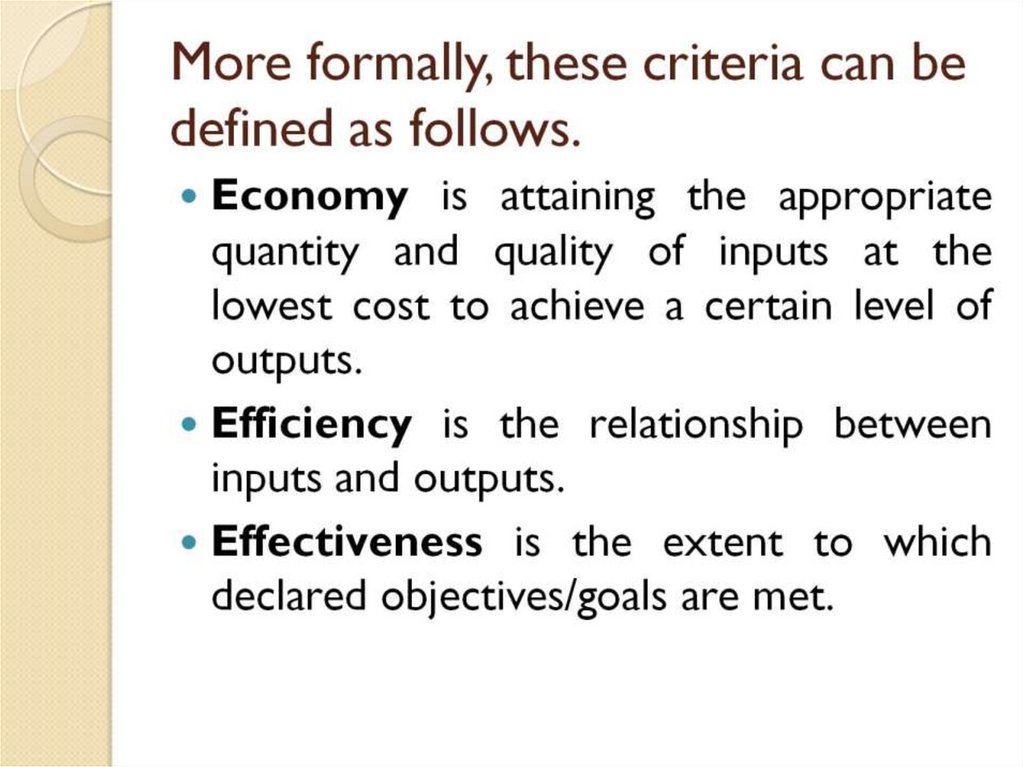
More formally, these criteria can be defined as follows.
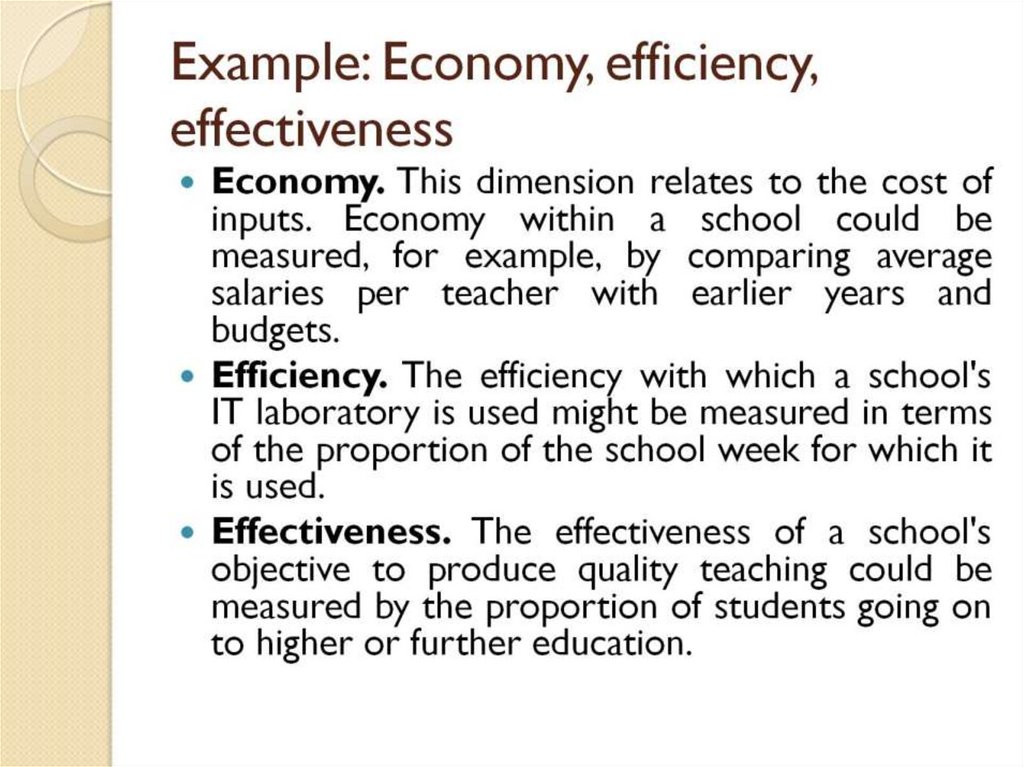
Example: Economy, efficiency, effectiveness
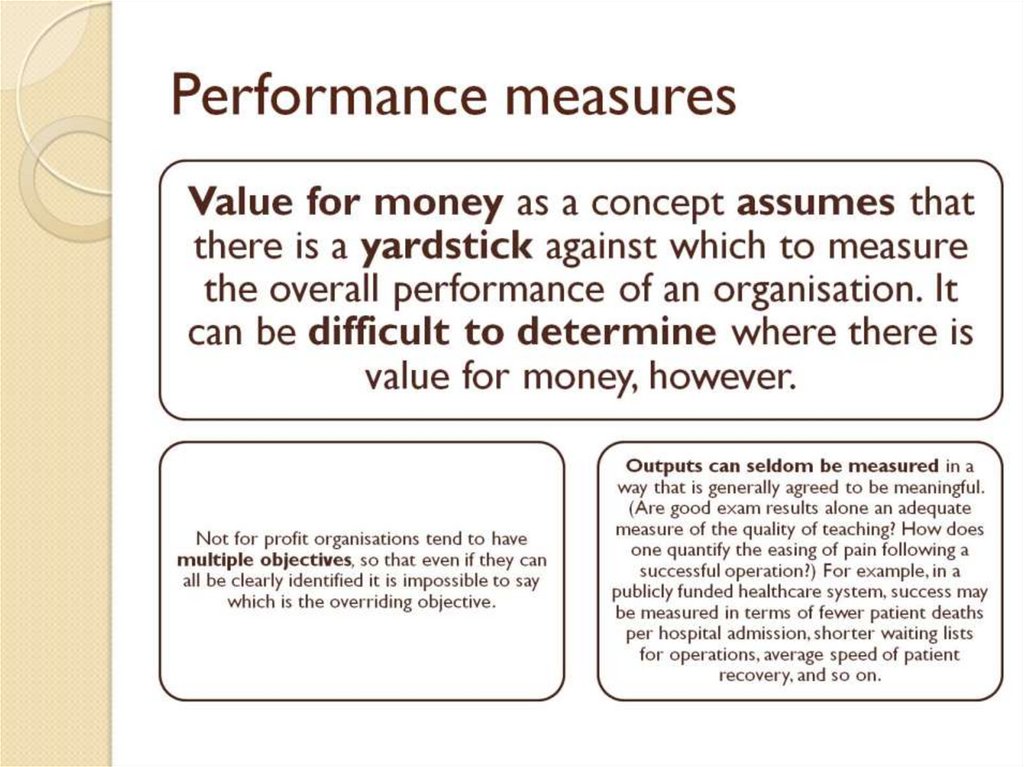
Performance measures
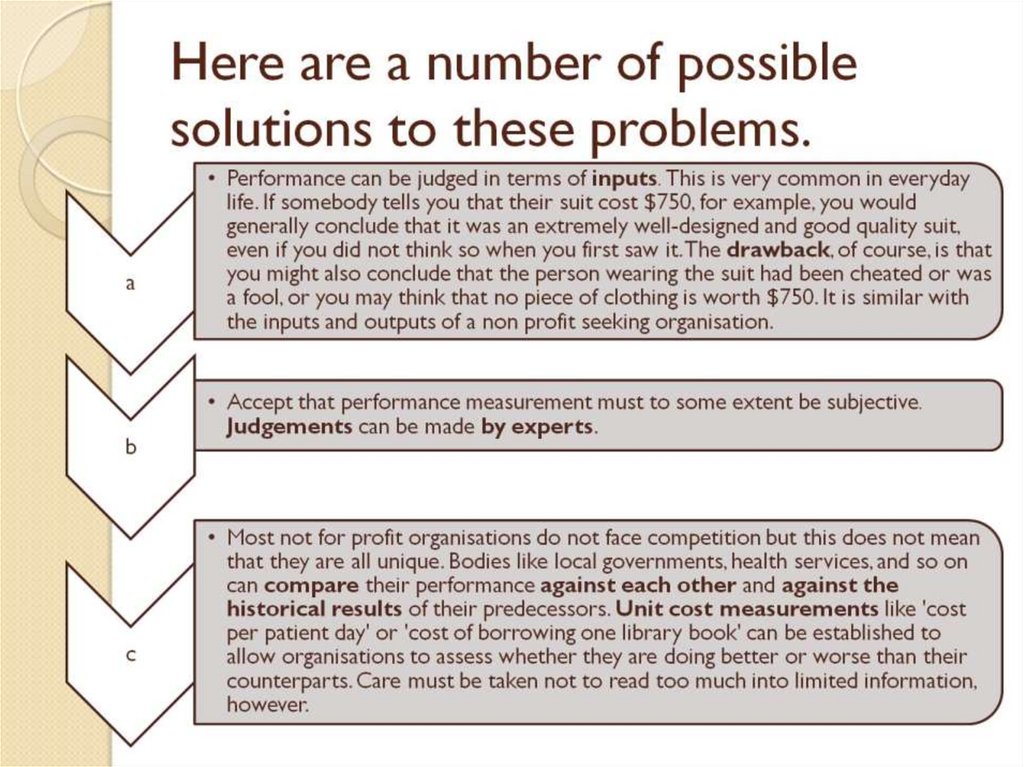
Here are a number of possible solutions to these problems.
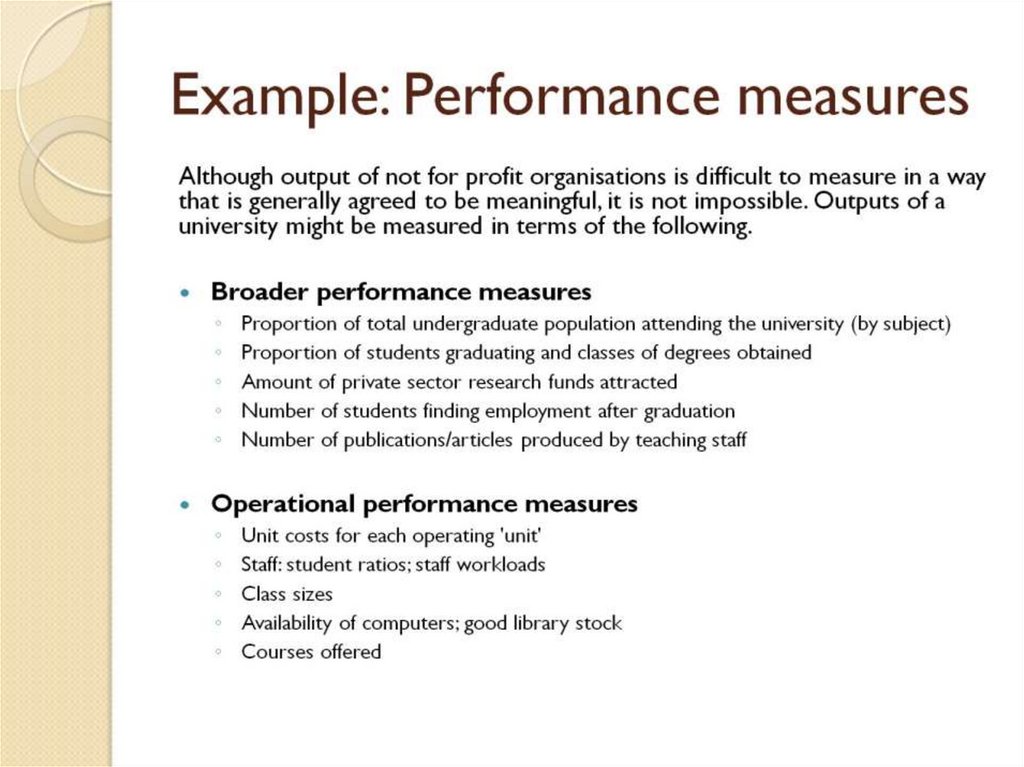
Example: Performance measures
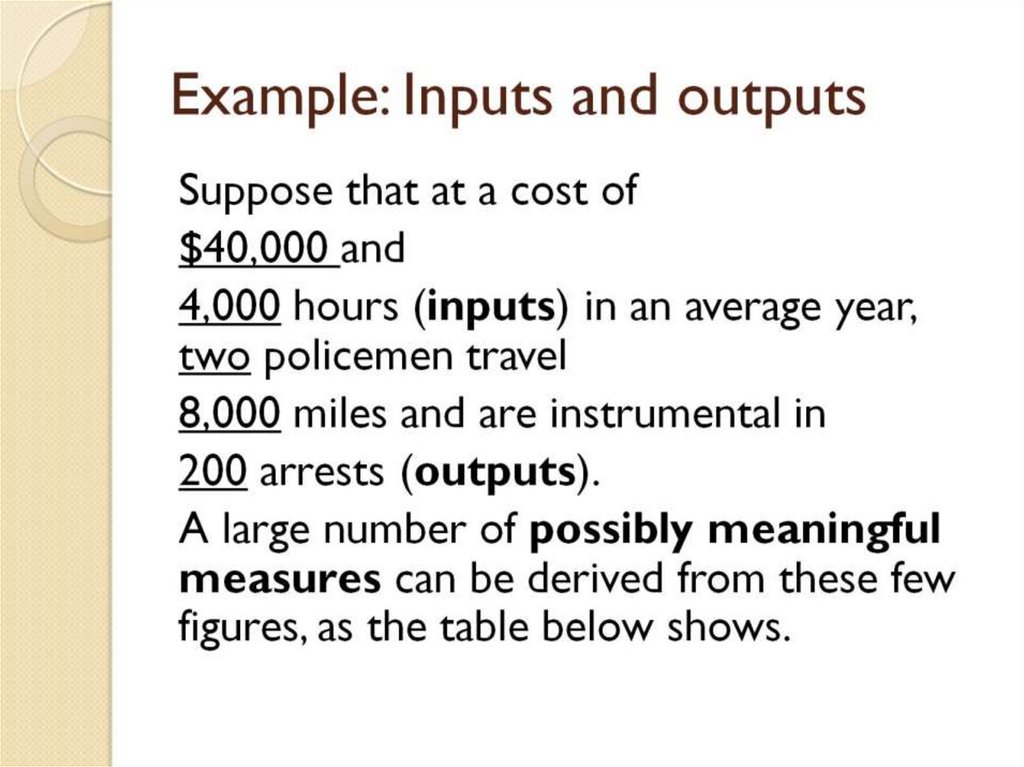
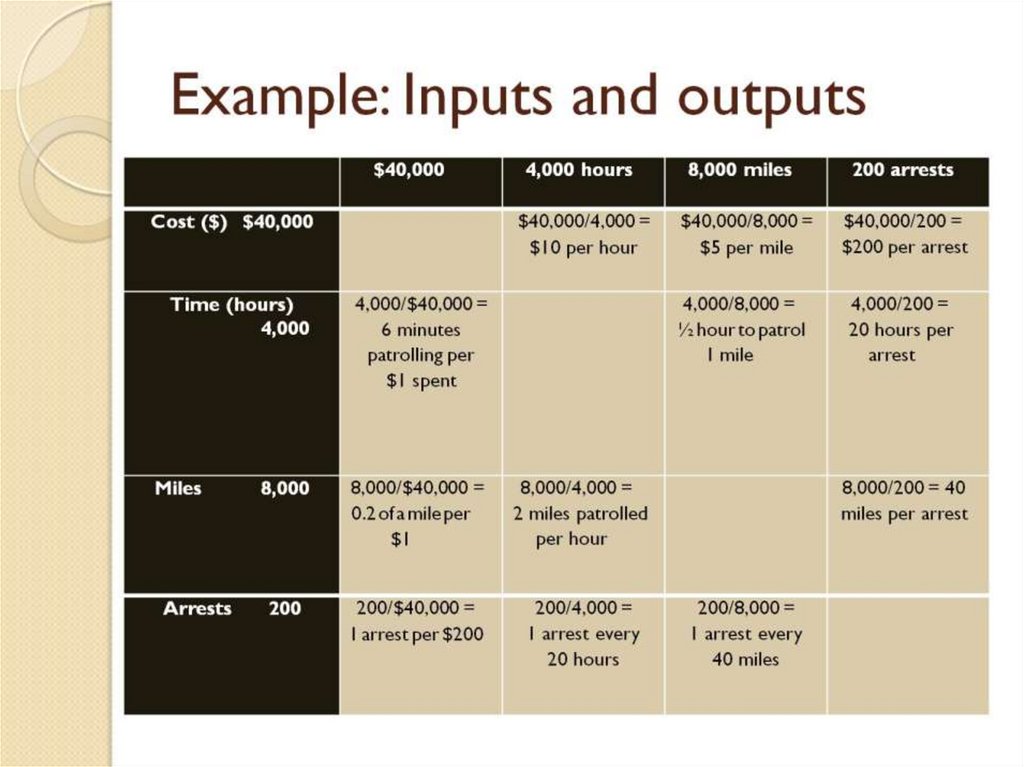
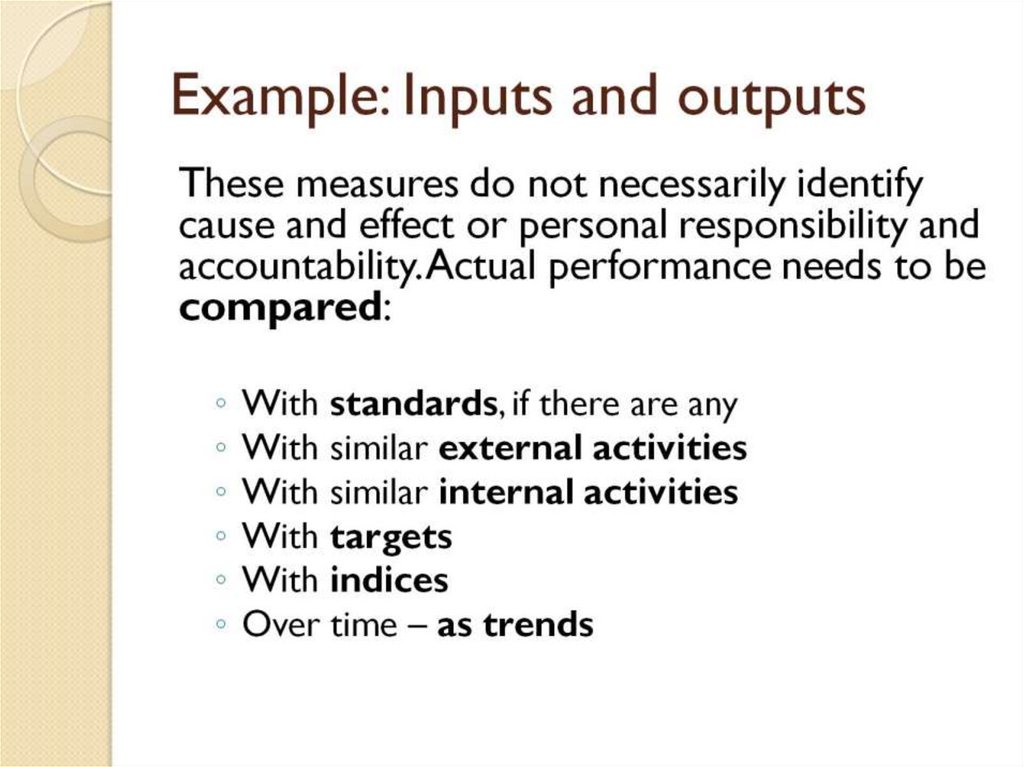
Example: Inputs and outputs
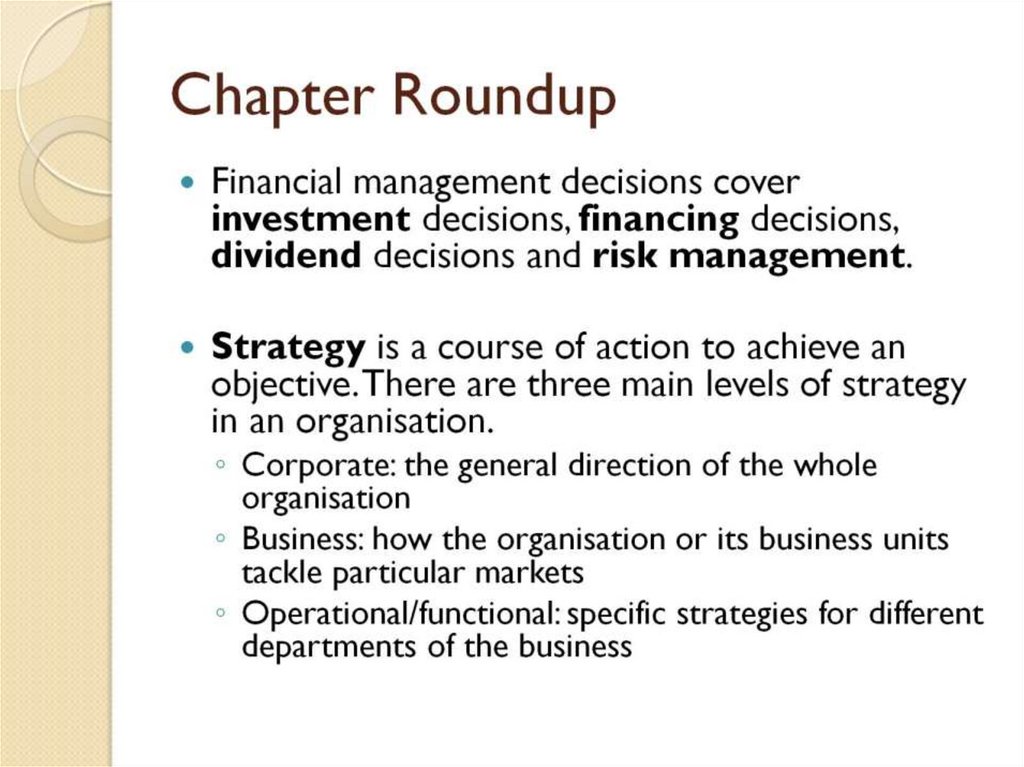
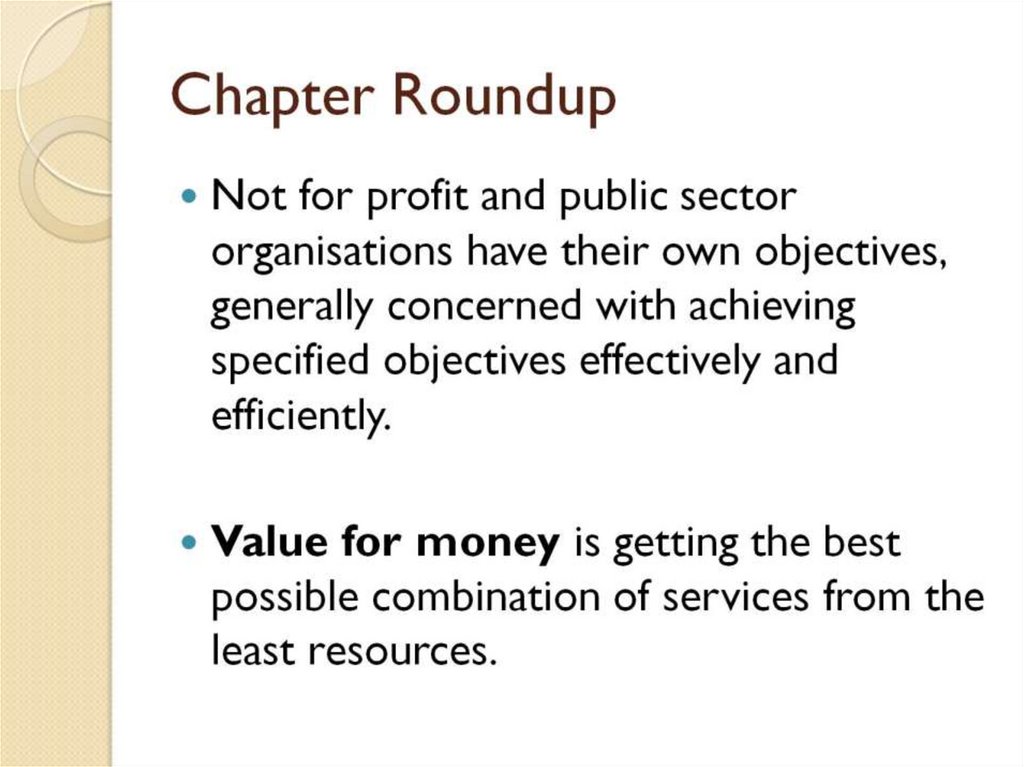
Chapter Roundup
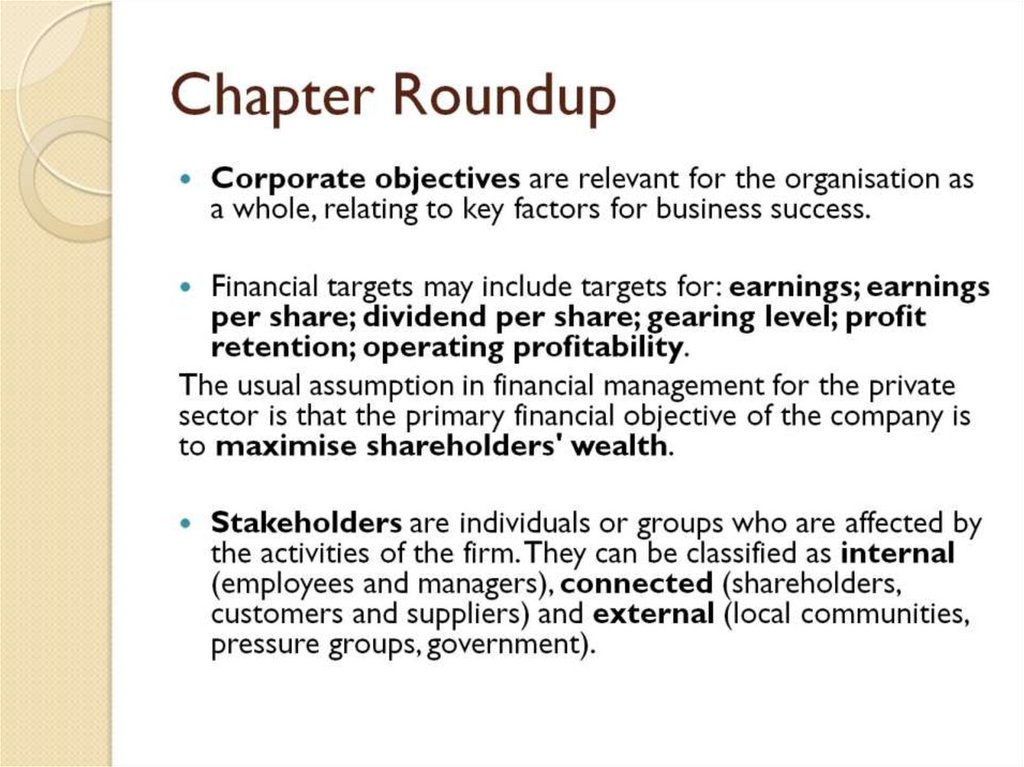
Chapter Roundup
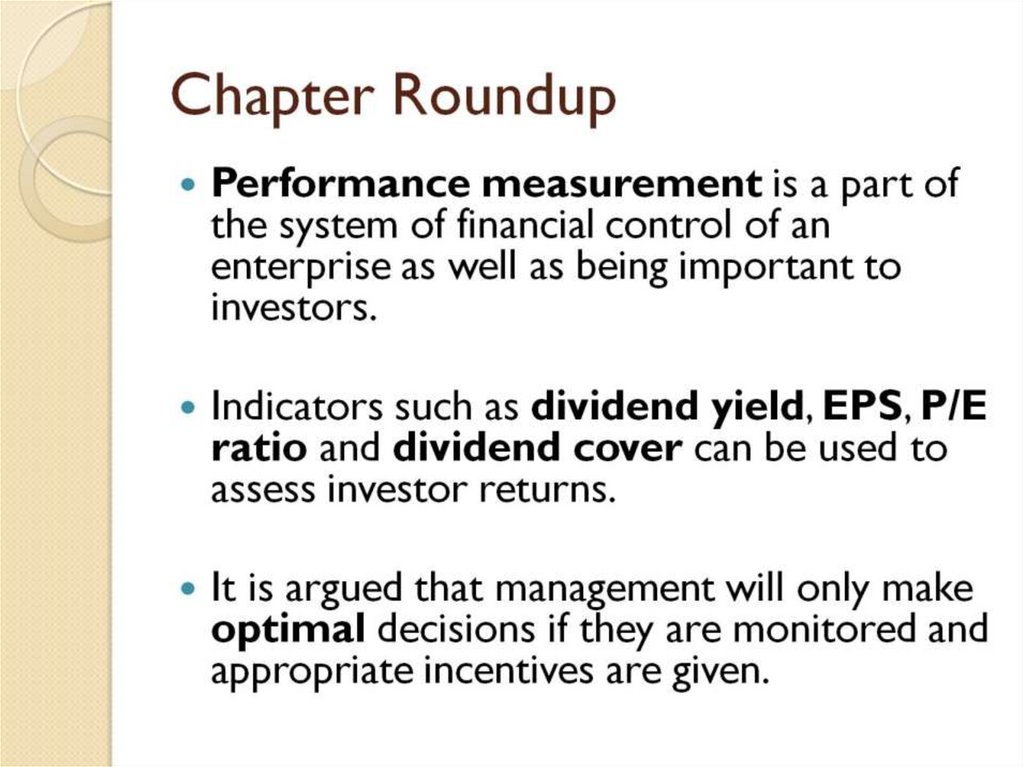
Chapter Roundup
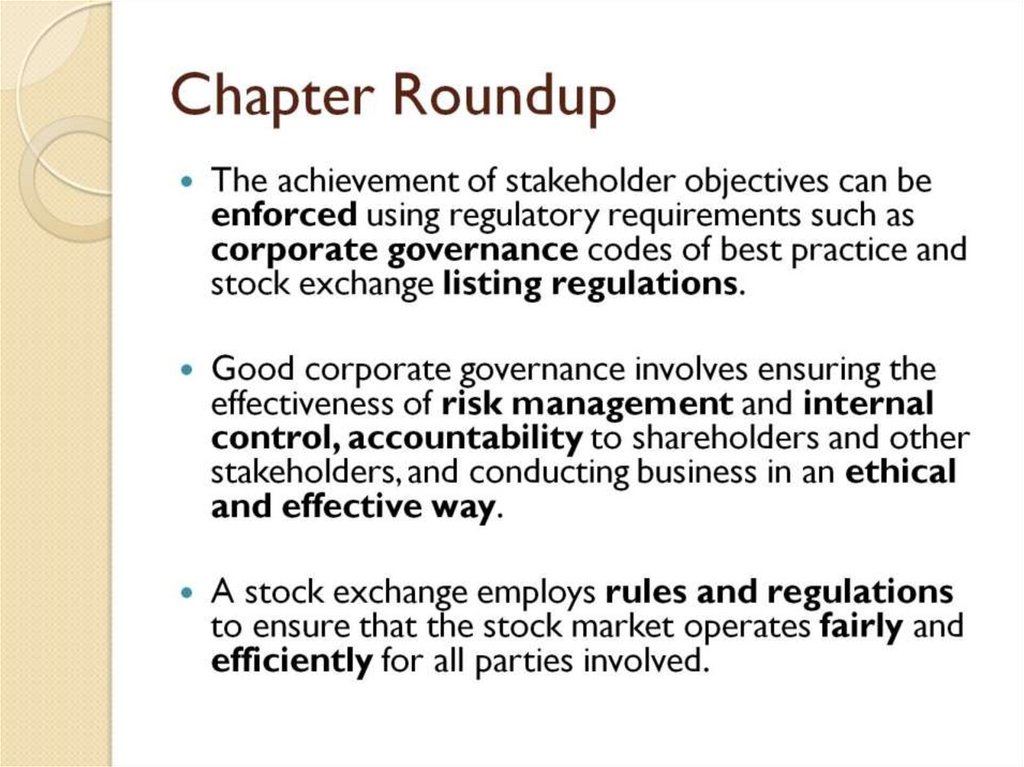
Chapter Roundup
Chapter Roundup
The end of part a
17.87M
Категория: МенеджментМенеджмент

Financial management function PART A

1. Financial management function PART A

English     Русский Правила