

 Медицина
Похожие презентации:


Metabolic imbalances of diabetes and obesity: predisposition to cancer
1.
Università degli Studi di TriesteDipartimento di Scienze della Vita
International Master’s Degree in Neuroscience
Metabolic imbalances of diabetes and
obesity: predisposition to cancer
Francesco Giambuzzi – francesco.giambuzzi@studenti.units.it
Diletta Giovanna Legari – dilettagiovanna.legari@studenti.units.it
Stefania Zerial – stefania.zerial@studenti.units.it
16.04.2019
Biochemestry of Age-Related Diseases
2.
What is obesity?Obesity is a complex chronic disease, characterized by an excessive
accumulation of fat tissue mass.
• Disturbances in lipid and glucose metabolism;
• Chronic inflammation;
• Oxidative stress;
• Increased risk of different diseases, such as cardiovascular
diseases, diabetes and cancer.
16.04.2019
Biochemestry of Age-Related Diseases
Metabolic imbalances of diabetes and obesity: predisposition to cancer
2
3.
DNA Damage• Chronic inflammation (aging, cardiovascular diseases, autoimmune
diseases, cancer, etc): the proinflammatory signal causes the
activation of neutrophils and macrophages endogenous oxygen
and nitrogen species are created.
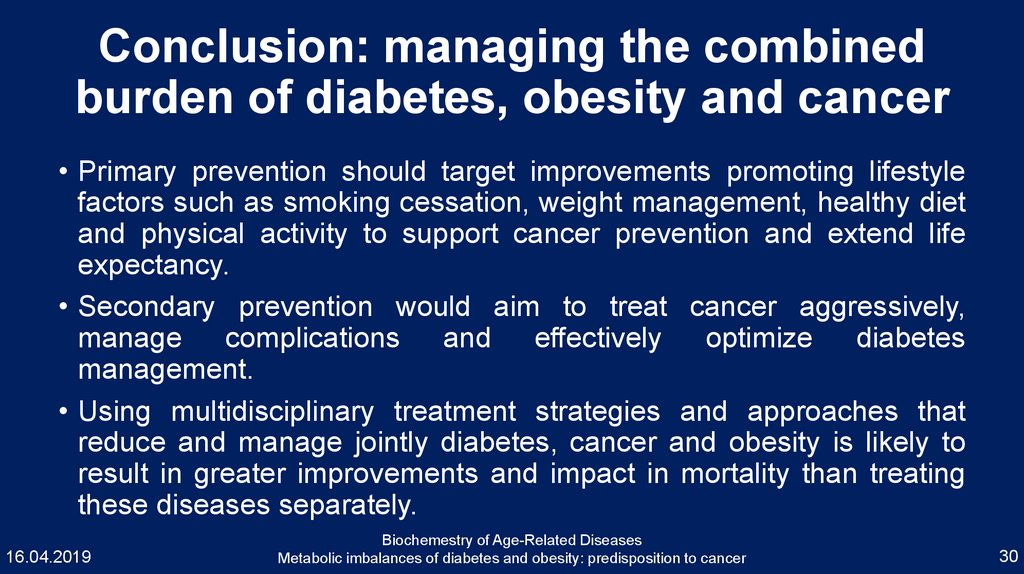
• Reactive oxygen species (ROS): O2-, H2O2, •OH. The constant
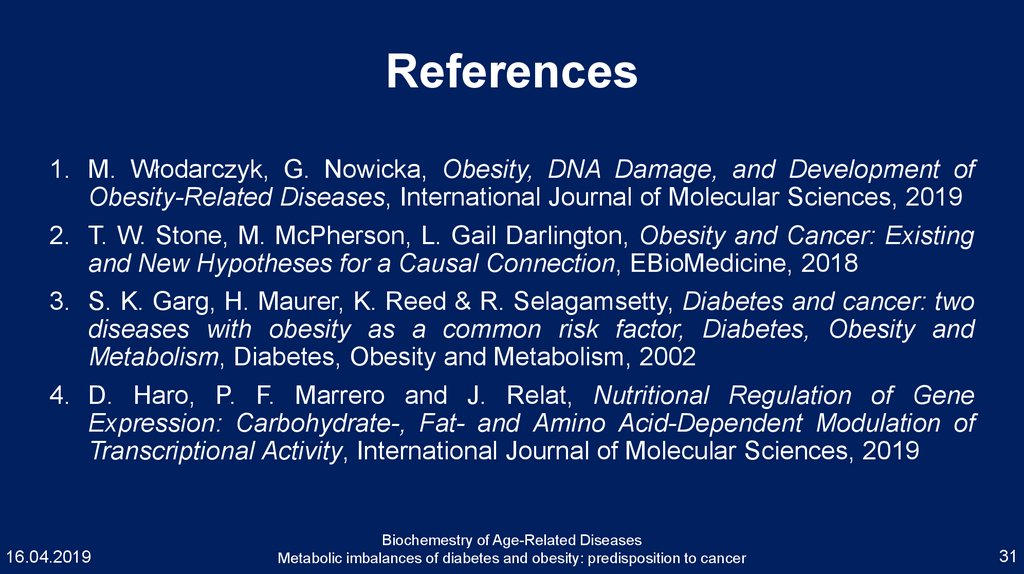
ROS production, associated to a low antioxidant activity state,
leads to: DNA damage, transcription interruption, cell-cycle arrest.
16.04.2019
Biochemestry of Age-Related Diseases
Metabolic imbalances of diabetes and obesity: predisposition to cancer
3
4.
DNA Damage Repair• Direct Repair: during replication;
• Indirect Repair: after DNA synthesis:
- Base nucleotide excision repair (BER);
- Nucleotide excision repair (NER);
- Mismatch repair (MMR);
- Non-homolgous end-joining (NHEJ);
- Homologous recombination (HR).
16.04.2019
Biochemestry of Age-Related Diseases
Metabolic imbalances of diabetes and obesity: predisposition to cancer
4
5.
Obesity and DNA Lesions• DSB, SSB or oxidized bases and about 2-times higher DNA
damage in lymphocytes of people with obesity than in normal
weight subjects.
• Correlation between BMI and DNA damage.
• More mitomycin C-induced DNA damage in lymphocytes of
patients with obesity than in normal weight subjects.
16.04.2019
Biochemestry of Age-Related Diseases
Metabolic imbalances of diabetes and obesity: predisposition to cancer
5
6.
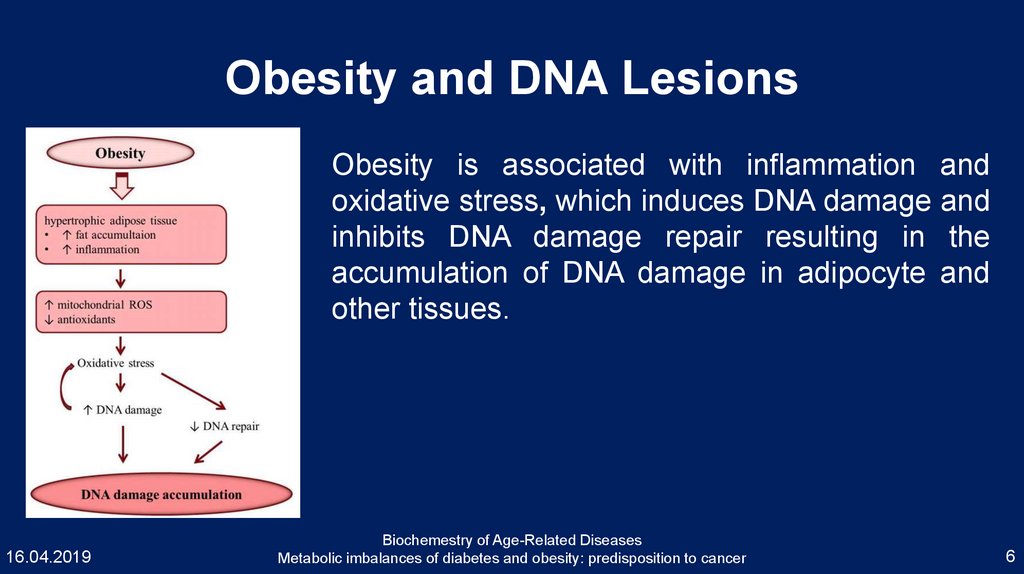
Obesity and DNA LesionsObesity is associated with inflammation and
oxidative stress, which induces DNA damage and
inhibits DNA damage repair resulting in the
accumulation of DNA damage in adipocyte and
other tissues.
16.04.2019
Biochemestry of Age-Related Diseases
Metabolic imbalances of diabetes and obesity: predisposition to cancer
6
7.
Obesity and mtDNA Damage• DNA lesions occur both in nuclear and mitochondrial DNA
(mtDNA).
• In mitochondria there are no NER mechanisms mtDNA is more
susceptible to damage caused by ROS than nuclear DNA.
• An enhanced degradation of mtDNA and decreased mtDNA copy
number are related to: diabetes, neurodegenerative diseases and
cancer.
16.04.2019
Biochemestry of Age-Related Diseases
Metabolic imbalances of diabetes and obesity: predisposition to cancer
7
8.
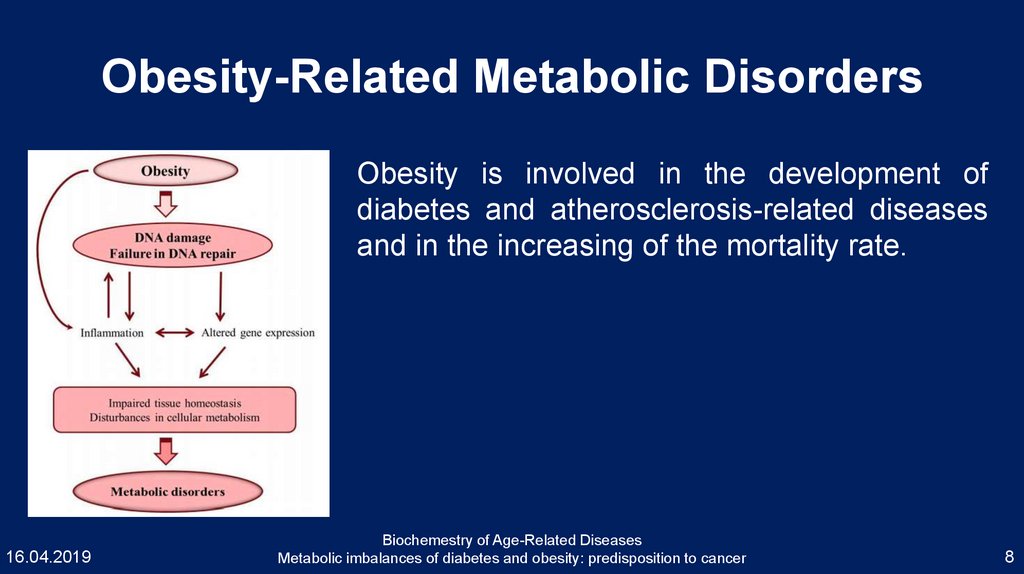
Obesity-Related Metabolic DisordersObesity is involved in the development of
diabetes and atherosclerosis-related diseases
and in the increasing of the mortality rate.
16.04.2019
Biochemestry of Age-Related Diseases
Metabolic imbalances of diabetes and obesity: predisposition to cancer
8
9.
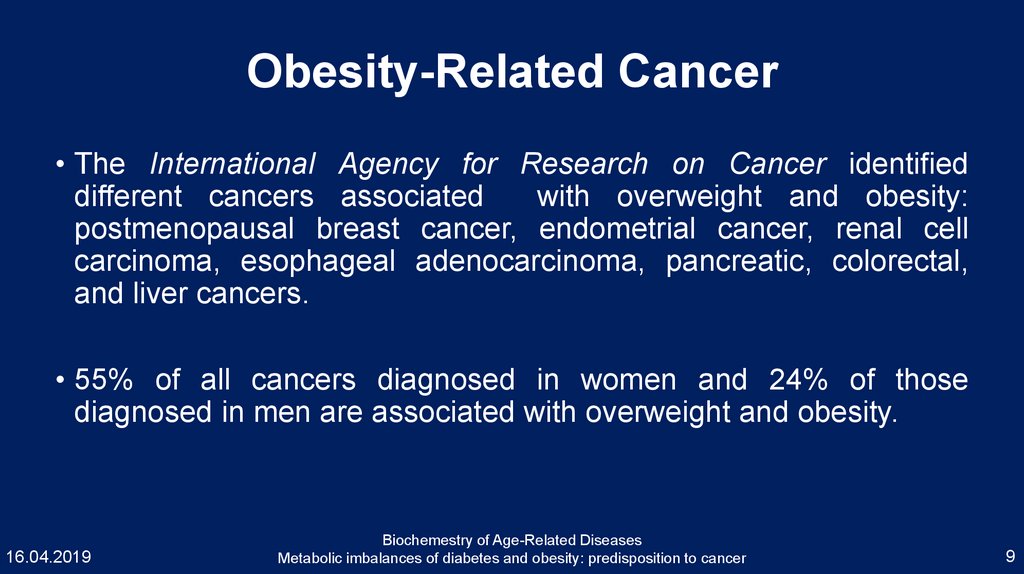
Obesity-Related Cancer• The International Agency for Research on Cancer identified
different cancers associated
with overweight and obesity:
postmenopausal breast cancer, endometrial cancer, renal cell
carcinoma, esophageal adenocarcinoma, pancreatic, colorectal,
and liver cancers.
• 55% of all cancers diagnosed in women and 24% of those
diagnosed in men are associated with overweight and obesity.
16.04.2019
Biochemestry of Age-Related Diseases
Metabolic imbalances of diabetes and obesity: predisposition to cancer
9
10.
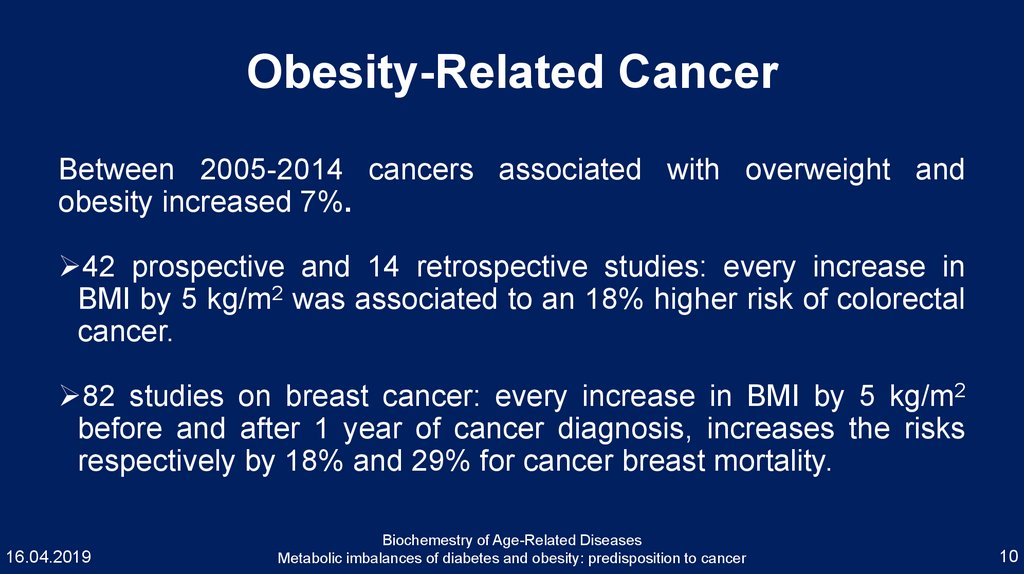
Obesity-Related CancerBetween 2005-2014 cancers associated with overweight and
obesity increased 7%.
42 prospective and 14 retrospective studies: every increase in
BMI by 5 kg/m2 was associated to an 18% higher risk of colorectal
cancer.
82 studies on breast cancer: every increase in BMI by 5 kg/m2
before and after 1 year of cancer diagnosis, increases the risks
respectively by 18% and 29% for cancer breast mortality.
16.04.2019
Biochemestry of Age-Related Diseases
Metabolic imbalances of diabetes and obesity: predisposition to cancer
10
11.
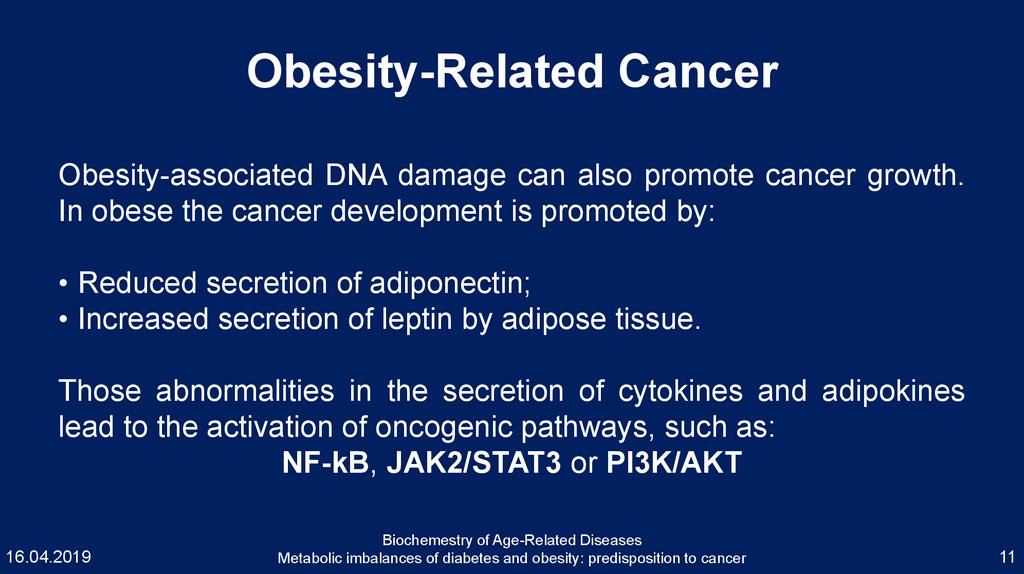
Obesity-Related CancerObesity-associated DNA damage can also promote cancer growth.
In obese the cancer development is promoted by:
• Reduced secretion of adiponectin;
• Increased secretion of leptin by adipose tissue.
Those abnormalities in the secretion of cytokines and adipokines
lead to the activation of oncogenic pathways, such as:
NF-kB, JAK2/STAT3 or PI3K/AKT
16.04.2019
Biochemestry of Age-Related Diseases
Metabolic imbalances of diabetes and obesity: predisposition to cancer
11
12.
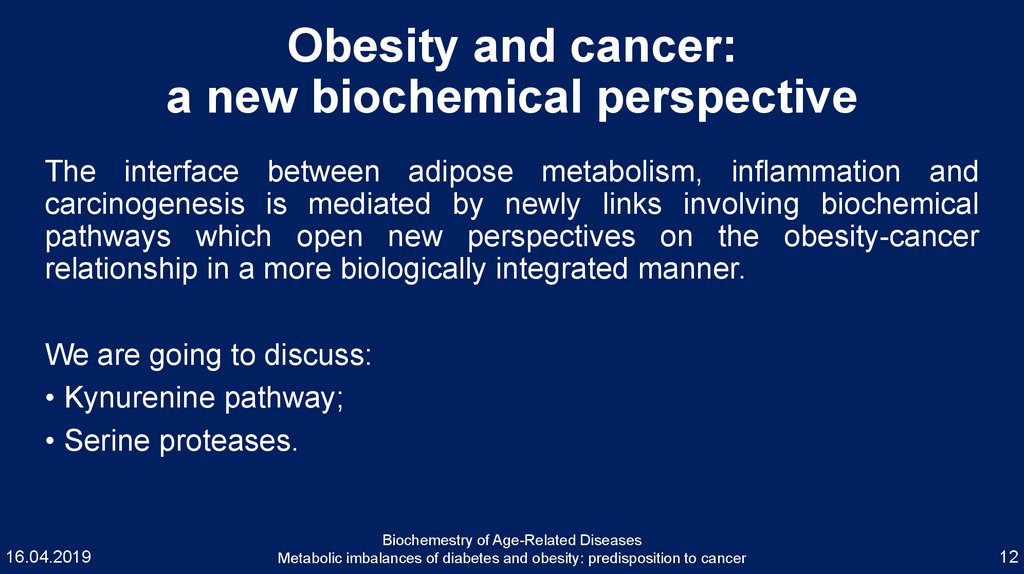
Obesity and cancer:a new biochemical perspective
The interface between adipose metabolism, inflammation and
carcinogenesis is mediated by newly links involving biochemical
pathways which open new perspectives on the obesity-cancer
relationship in a more biologically integrated manner.
We are going to discuss:
• Kynurenine pathway;
• Serine proteases.
16.04.2019
Biochemestry of Age-Related Diseases
Metabolic imbalances of diabetes and obesity: predisposition to cancer
12
13.
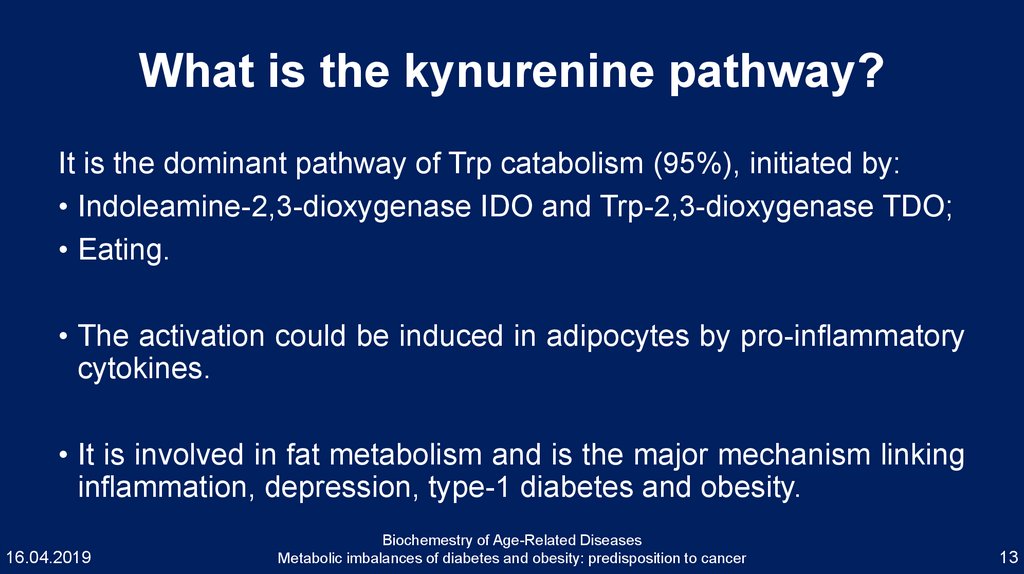
What is the kynurenine pathway?It is the dominant pathway of Trp catabolism (95%), initiated by:
• Indoleamine-2,3-dioxygenase IDO and Trp-2,3-dioxygenase TDO;
• Eating.
• The activation could be induced in adipocytes by pro-inflammatory
cytokines.
• It is involved in fat metabolism and is the major mechanism linking
inflammation, depression, type-1 diabetes and obesity.
16.04.2019
Biochemestry of Age-Related Diseases
Metabolic imbalances of diabetes and obesity: predisposition to cancer
13
14.
Kynurenine andAryl Hydrocarbon Receptor
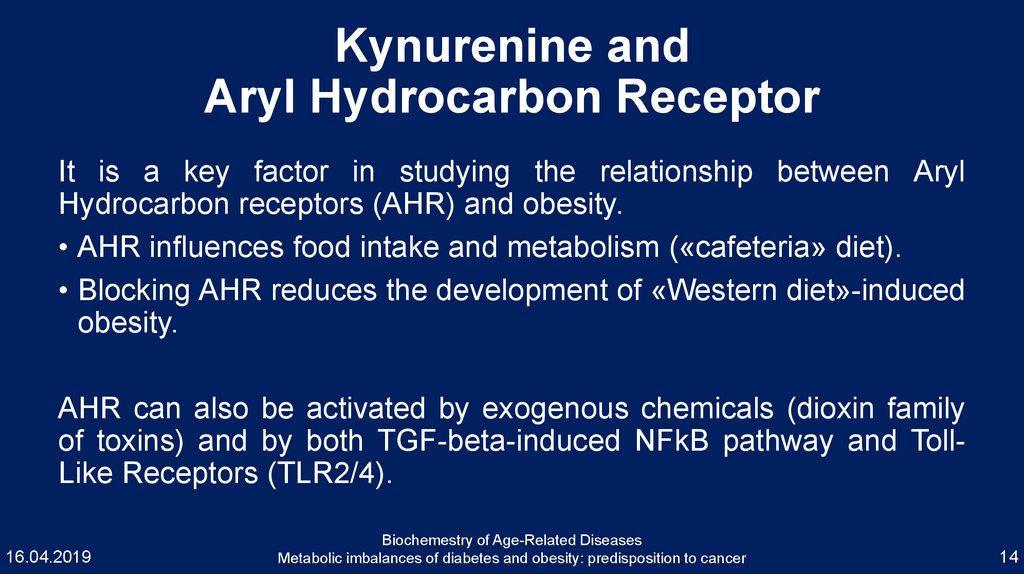
It is a key factor in studying the relationship between Aryl
Hydrocarbon receptors (AHR) and obesity.
• AHR influences food intake and metabolism («cafeteria» diet).
• Blocking AHR reduces the development of «Western diet»-induced
obesity.
AHR can also be activated by exogenous chemicals (dioxin family
of toxins) and by both TGF-beta-induced NFkB pathway and TollLike Receptors (TLR2/4).
16.04.2019
Biochemestry of Age-Related Diseases
Metabolic imbalances of diabetes and obesity: predisposition to cancer
14
15.
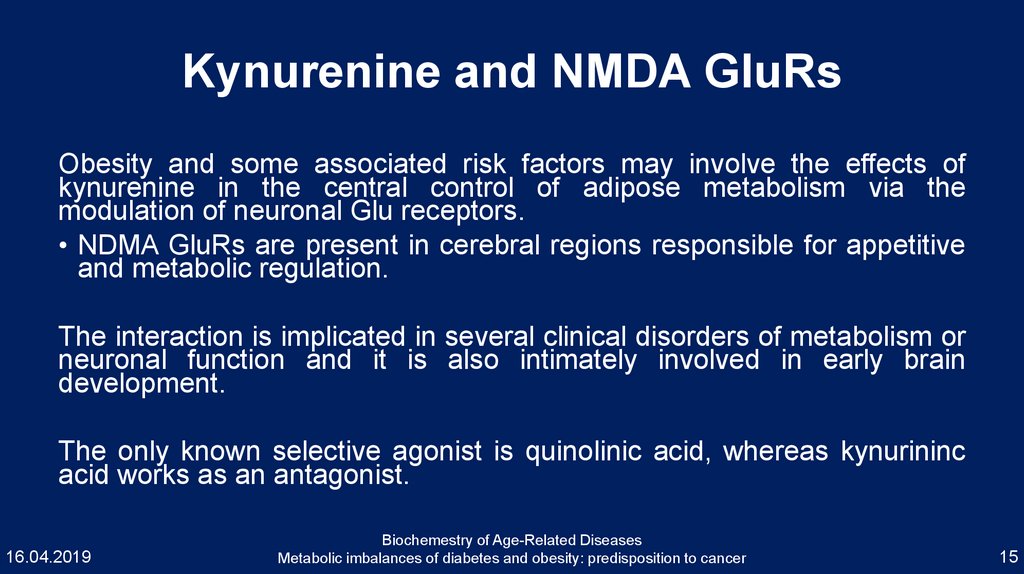
Kynurenine and NMDA GluRsObesity and some associated risk factors may involve the effects of
kynurenine in the central control of adipose metabolism via the
modulation of neuronal Glu receptors.
• NDMA GluRs are present in cerebral regions responsible for appetitive
and metabolic regulation.
The interaction is implicated in several clinical disorders of metabolism or
neuronal function and it is also intimately involved in early brain
development.
The only known selective agonist is quinolinic acid, whereas kynurininc
acid works as an antagonist.
16.04.2019
Biochemestry of Age-Related Diseases
Metabolic imbalances of diabetes and obesity: predisposition to cancer
15
16.
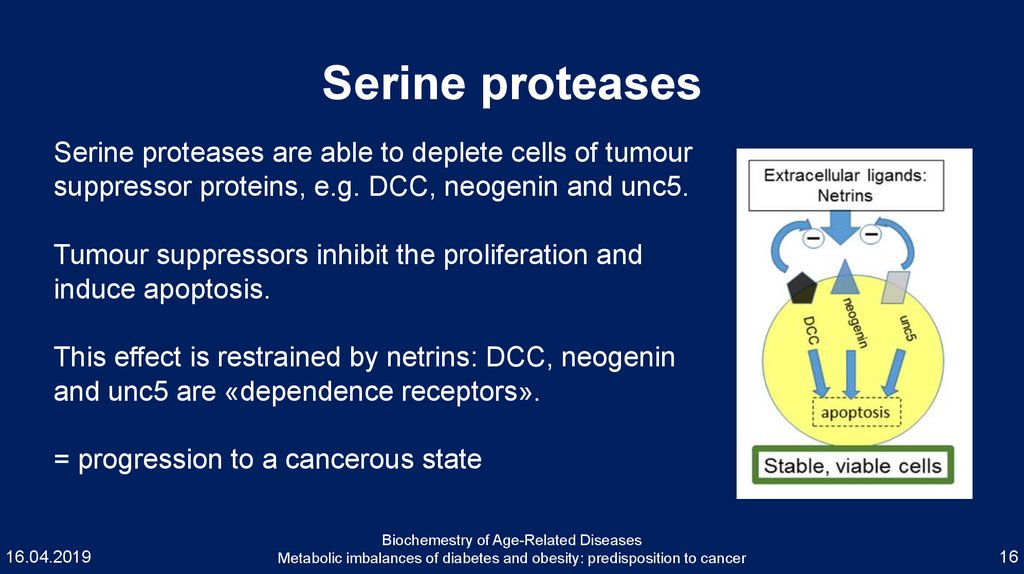
Serine proteasesSerine proteases are able to deplete cells of tumour
suppressor proteins, e.g. DCC, neogenin and unc5.
Tumour suppressors inhibit the proliferation and
induce apoptosis.
This effect is restrained by netrins: DCC, neogenin
and unc5 are «dependence receptors».
= progression to a cancerous state
16.04.2019
Biochemestry of Age-Related Diseases
Metabolic imbalances of diabetes and obesity: predisposition to cancer
16
17.
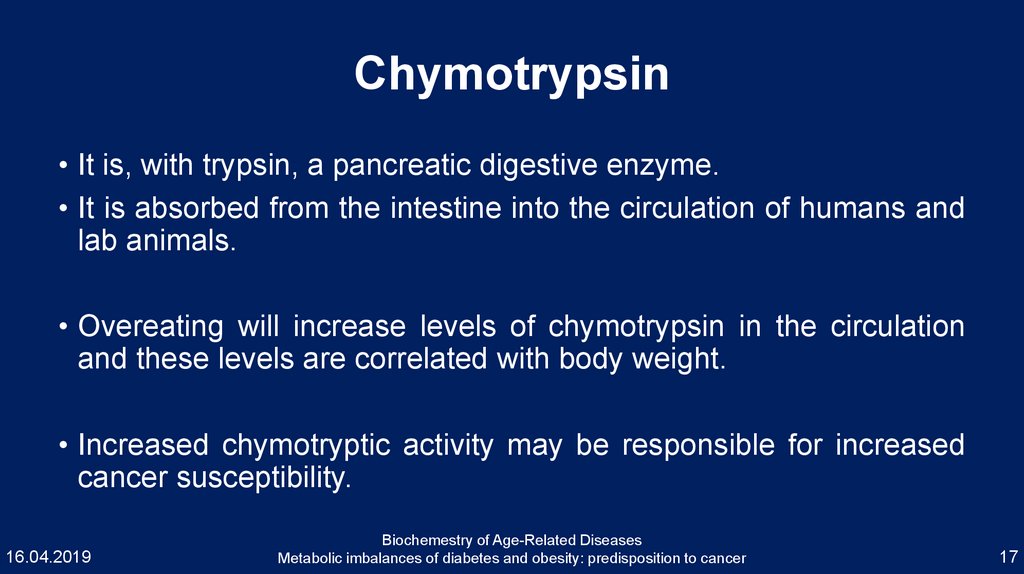
Chymotrypsin• It is, with trypsin, a pancreatic digestive enzyme.
• It is absorbed from the intestine into the circulation of humans and
lab animals.
• Overeating will increase levels of chymotrypsin in the circulation
and these levels are correlated with body weight.
• Increased chymotryptic activity may be responsible for increased
cancer susceptibility.
16.04.2019
Biochemestry of Age-Related Diseases
Metabolic imbalances of diabetes and obesity: predisposition to cancer
17
18.
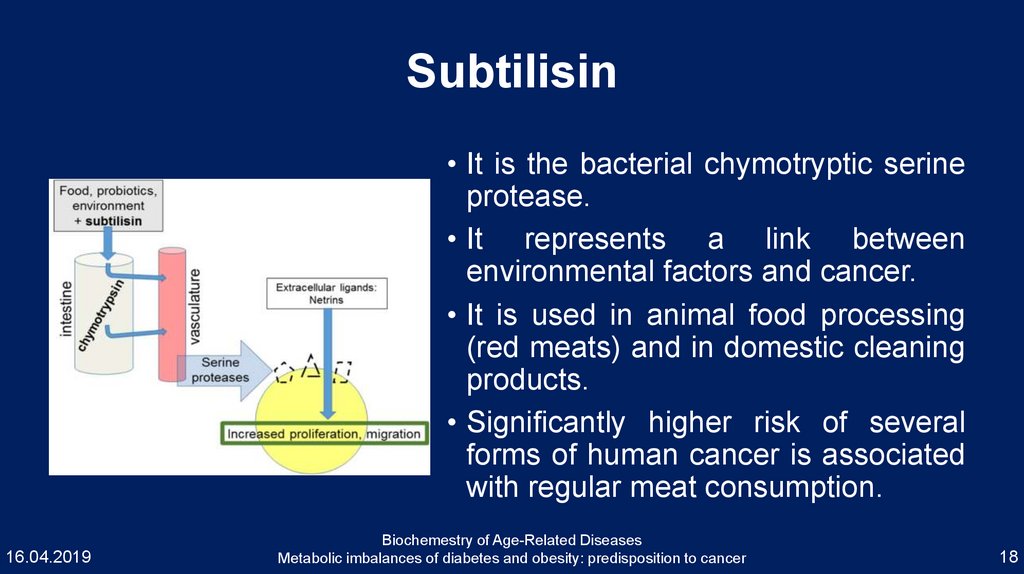
Subtilisin• It is the bacterial chymotryptic serine
protease.
• It represents a link between
environmental factors and cancer.
• It is used in animal food processing
(red meats) and in domestic cleaning
products.
• Significantly higher risk of several
forms of human cancer is associated
with regular meat consumption.
16.04.2019
Biochemestry of Age-Related Diseases
Metabolic imbalances of diabetes and obesity: predisposition to cancer
18
19.
Conclusions about obesity• Lifestyle factors such as poor diet and low physical activity may
facilitate the development of obesity and cancer independently, as
well as simple physical factors such as intestinal transit time.
• There are methodological problems associated with the studies in
human, e.g. the validity of the form of measurement (BMI).
• «A single but avoidable cellular disturbance could promote cancer
development if it occurs on a background of a wide range of
spontaneous and essentially unavoidable factors.»
Obesity and Cancer: Existing and New Hypotheses for a Causal Connection,
Trevor W. Stone, Megan McPherson, L. Gail Darlington (2018)
16.04.2019
Biochemestry of Age-Related Diseases
Metabolic imbalances of diabetes and obesity: predisposition to cancer
19
20.
There are still someoutstanding questions…
…Does pharmacological or genetic manipulation of the kynurenine
pathway alter the susceptibility to carcinogenesis?
…Are different manipulations based on the hypotheses dicussed
related to specific forms of cancer or their stage and rate of
progression?
An important goal shoud be to differentiate between factors which
independently promote obesity and cancer, and those whose
primarily effect is obseogenic leading to secondary carcinogenesis.
16.04.2019
Biochemestry of Age-Related Diseases
Metabolic imbalances of diabetes and obesity: predisposition to cancer
20
21.
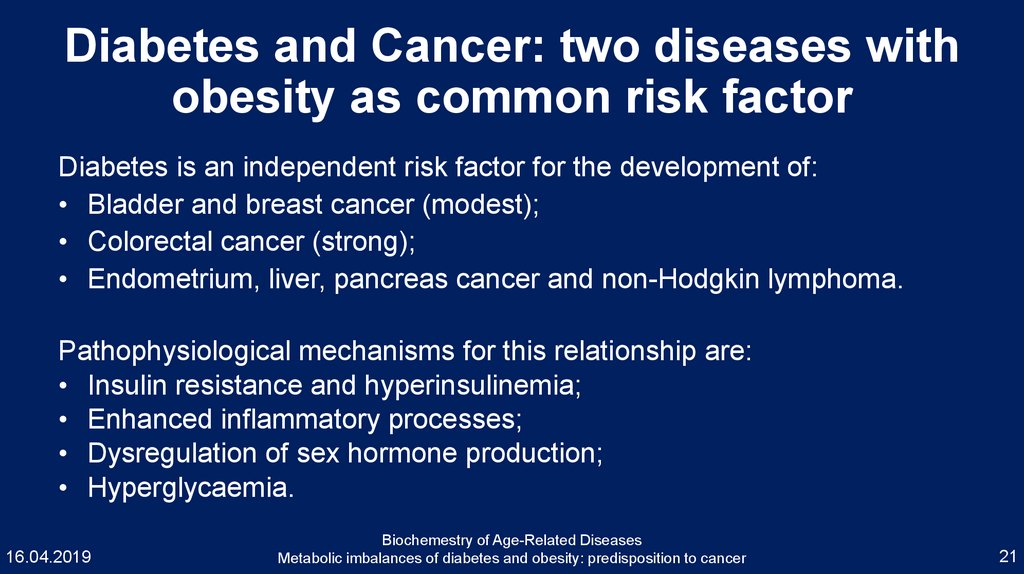
Diabetes and Cancer: two diseases withobesity as common risk factor
Diabetes is an independent risk factor for the development of:
• Bladder and breast cancer (modest);
• Colorectal cancer (strong);
• Endometrium, liver, pancreas cancer and non-Hodgkin lymphoma.
Pathophysiological mechanisms for this relationship are:
• Insulin resistance and hyperinsulinemia;
• Enhanced inflammatory processes;
• Dysregulation of sex hormone production;
• Hyperglycaemia.
16.04.2019
Biochemestry of Age-Related Diseases
Metabolic imbalances of diabetes and obesity: predisposition to cancer
21
22.
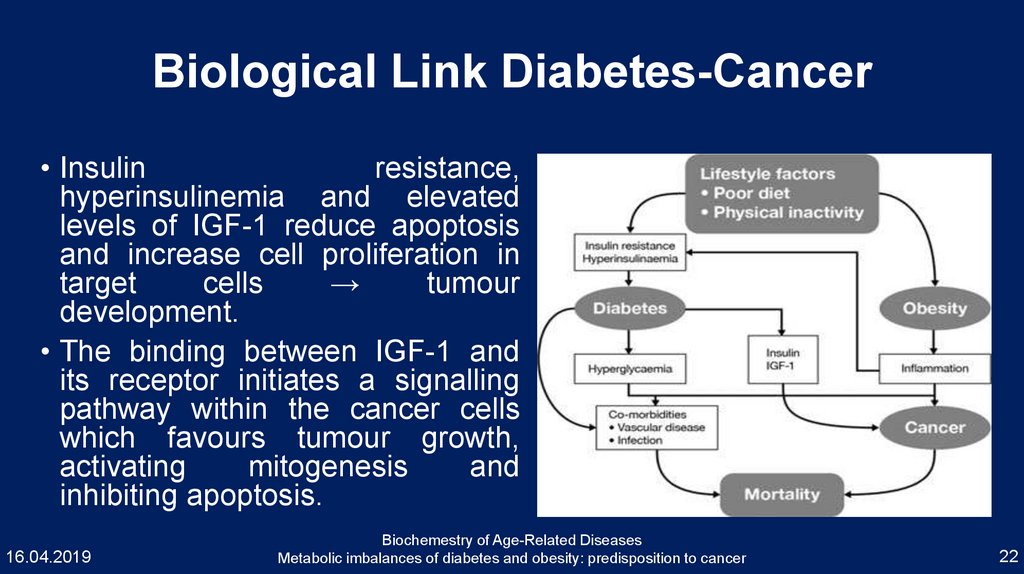
Biological Link Diabetes-Cancer• Insulin
resistance,
hyperinsulinemia and elevated
levels of IGF-1 reduce apoptosis
and increase cell proliferation in
target
cells
→
tumour
development.
• The binding between IGF-1 and
its receptor initiates a signalling
pathway within the cancer cells
which favours tumour growth,
activating
mitogenesis
and
inhibiting apoptosis.
16.04.2019
Biochemestry of Age-Related Diseases
Metabolic imbalances of diabetes and obesity: predisposition to cancer
22
23.
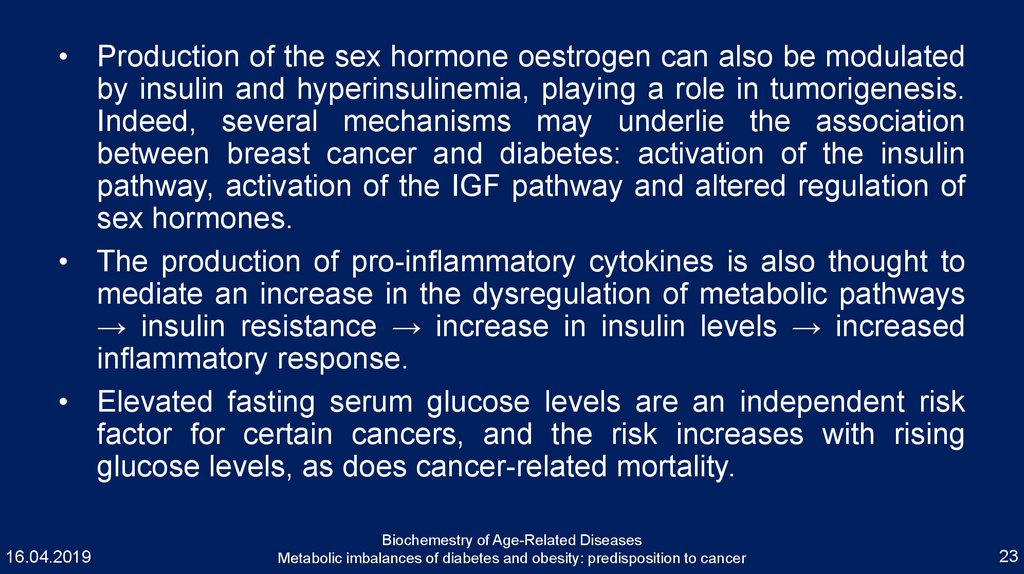
• Production of the sex hormone oestrogen can also be modulatedby insulin and hyperinsulinemia, playing a role in tumorigenesis.
Indeed, several mechanisms may underlie the association
between breast cancer and diabetes: activation of the insulin
pathway, activation of the IGF pathway and altered regulation of
sex hormones.
• The production of pro-inflammatory cytokines is also thought to
mediate an increase in the dysregulation of metabolic pathways
→ insulin resistance → increase in insulin levels → increased
inflammatory response.
• Elevated fasting serum glucose levels are an independent risk
factor for certain cancers, and the risk increases with rising
glucose levels, as does cancer-related mortality.
16.04.2019
Biochemestry of Age-Related Diseases
Metabolic imbalances of diabetes and obesity: predisposition to cancer
23
24.
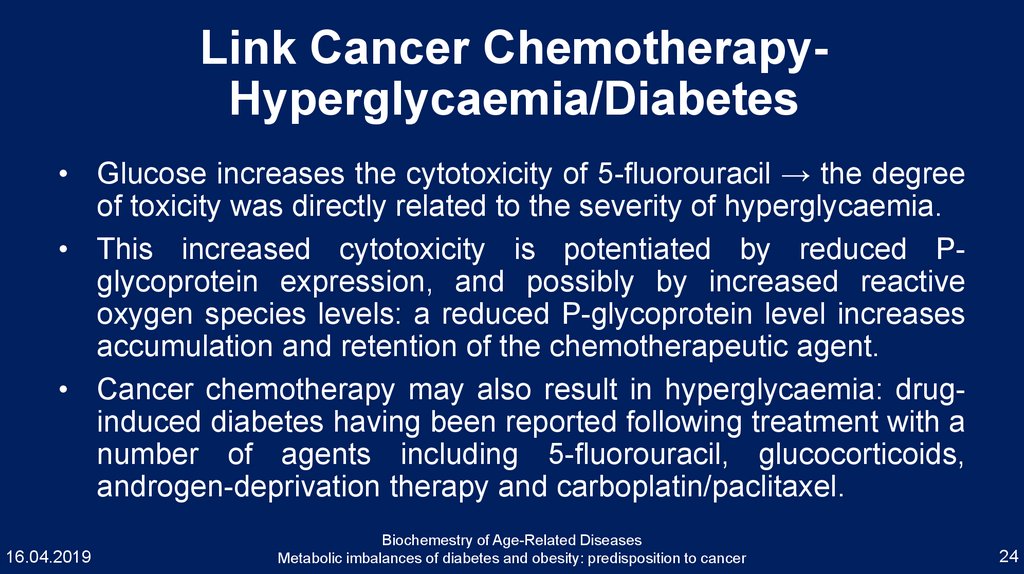
Link Cancer ChemotherapyHyperglycaemia/Diabetes• Glucose increases the cytotoxicity of 5-fluorouracil → the degree
of toxicity was directly related to the severity of hyperglycaemia.
• This increased cytotoxicity is potentiated by reduced Pglycoprotein expression, and possibly by increased reactive
oxygen species levels: a reduced P-glycoprotein level increases
accumulation and retention of the chemotherapeutic agent.
• Cancer chemotherapy may also result in hyperglycaemia: druginduced diabetes having been reported following treatment with a
number of agents including 5-fluorouracil, glucocorticoids,
androgen-deprivation therapy and carboplatin/paclitaxel.
16.04.2019
Biochemestry of Age-Related Diseases
Metabolic imbalances of diabetes and obesity: predisposition to cancer
24
25.
Diabetes treatments in cancerdevelopment
Current diabetes treatments considered as glucose-lowered
therapies have been implicated in the development of cancer: the
potential increased risk of cancer associated with diabetes
medications may be a direct or indirect effect on insulin
resistance and levels of circulating insulin or other mechanisms.
• Metformin;
• Insulin Analogues;
• Oral Antidiabetic Therapies;
• Injectable Antidiabetic Therapies.
16.04.2019
Biochemestry of Age-Related Diseases
Metabolic imbalances of diabetes and obesity: predisposition to cancer
25
26.
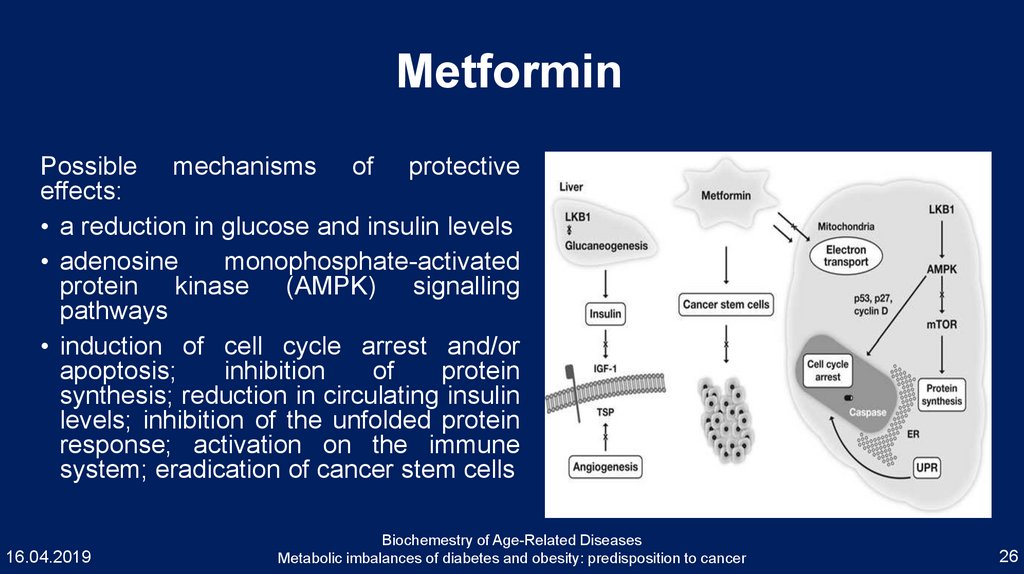
MetforminPossible mechanisms of protective
effects:
• a reduction in glucose and insulin levels
• adenosine
monophosphate-activated
protein kinase (AMPK) signalling
pathways
• induction of cell cycle arrest and/or
apoptosis;
inhibition
of
protein
synthesis; reduction in circulating insulin
levels; inhibition of the unfolded protein
response; activation on the immune
system; eradication of cancer stem cells
16.04.2019
Biochemestry of Age-Related Diseases
Metabolic imbalances of diabetes and obesity: predisposition to cancer
26
27.
Insulin AnaloguesNo possible link or evidence between insulin glargine monotherapy
and an elevated risk for cancer incidence/cancer mortality are found
having a neutral effect.
Moreover there is no increased risk of cancer in other
insulins/comparators as insulin detemir and neutral protamine
Hagedorn insulin.
16.04.2019
Biochemestry of Age-Related Diseases
Metabolic imbalances of diabetes and obesity: predisposition to cancer
27
28.
Oral Antidiabetic Therapies• Sulfonylureas significantly increased the risk of developing any
solid tumour or colorectal and pancreatic cancer.
• Rosiglitazone showed a neutral effect on the risk of cancer.
• Dipeptidyl peptidase-4 (DPP-4) inhibitors indirectly increase the
level of glucagon-like peptide (GLP)-1 increasing the risk of cancer
in combination with other agents as GLP-1R agonists.
16.04.2019
Biochemestry of Age-Related Diseases
Metabolic imbalances of diabetes and obesity: predisposition to cancer
28
29.
Injectable Antidiabetic Therapies• Exenatide or sitagliptin reported a six-fold increased risk of
pancreatic and thyroid cancer.
• An increase in pancreatic mass was observed in people with
diabetes mellitus treated with incretin therapy: this was
accompanied by both increased exocrine cell proliferation and
dysplasia.
16.04.2019
Biochemestry of Age-Related Diseases
Metabolic imbalances of diabetes and obesity: predisposition to cancer
29
30.
Conclusion: managing the combinedburden of diabetes, obesity and cancer
• Primary prevention should target improvements promoting lifestyle
factors such as smoking cessation, weight management, healthy diet
and physical activity to support cancer prevention and extend life
expectancy.
• Secondary prevention would aim to treat cancer aggressively,
manage complications and effectively optimize diabetes
management.
• Using multidisciplinary treatment strategies and approaches that
reduce and manage jointly diabetes, cancer and obesity is likely to
result in greater improvements and impact in mortality than treating
these diseases separately.
16.04.2019
Biochemestry of Age-Related Diseases
Metabolic imbalances of diabetes and obesity: predisposition to cancer
30
31.
References1. M. Włodarczyk, G. Nowicka, Obesity, DNA Damage, and Development of
Obesity-Related Diseases, International Journal of Molecular Sciences, 2019
2. T. W. Stone, M. McPherson, L. Gail Darlington, Obesity and Cancer: Existing
and New Hypotheses for a Causal Connection, EBioMedicine, 2018
3. S. K. Garg, H. Maurer, K. Reed & R. Selagamsetty, Diabetes and cancer: two
diseases with obesity as a common risk factor, Diabetes, Obesity and
Metabolism, Diabetes, Obesity and Metabolism, 2002
4. D. Haro, P. F. Marrero and J. Relat, Nutritional Regulation of Gene
Expression: Carbohydrate-, Fat- and Amino Acid-Dependent Modulation of
Transcriptional Activity, International Journal of Molecular Sciences, 2019
16.04.2019
Biochemestry of Age-Related Diseases
Metabolic imbalances of diabetes and obesity: predisposition to cancer
31
32.
Thank you for the attention!16.04.2019
Biochemestry of Age-Related Diseases
Metabolic imbalances of diabetes and obesity: predisposition to cancer